Corporate food gifts sent across borders in Europe run into three main obstacles: dietary restrictions like halal, kosher, vegan, and allergen concerns; customs rules on meat, fresh produce, and duty thresholds; and EU import law, including labeling and, for UK senders, animal-origin health certificates. Rules change often and vary by destination, so treat this as general guidance and verify anything time-sensitive with an official source or your provider.
Sending a food-based corporate gift across a border sounds simple until it gets held at customs, offends a recipient’s dietary practice, or triggers an unexpected duty charge.
This page walks through the three areas that most often cause problems: dietary restrictions, customs rules, and EU import law, along with what tends to travel well and a practical checklist to run through before you ship. Because these rules change frequently and vary by country, this is general information rather than legal or customs advice. For anything time-sensitive or high-value, verify current requirements with an official source or a customs professional.
Key Takeaways
- Halal and kosher are different certification systems; a gift certified for one isn’t automatically appropriate for the other.
- EU food law requires 14 major allergens to be clearly declared, including nuts, gluten, dairy, and sulfites, which a typical gourmet hamper can easily contain several of.
- Cured meats, fresh produce, and dairy are among the most frequently restricted or confiscated items at international borders due to biosecurity rules.
- The EU’s low-value duty exemption is changing: the €150 threshold is being removed from 1 July 2026, and import VAT has applied to all goods regardless of value since 2021.
- The US de minimis exemption, previously $800, has been suspended for imports from all countries since August 2025, so shipments may face duties and formal entry regardless of value.
- The UK and EU agreed in May 2025 to negotiate a new food and agriculture agreement intended to ease post-Brexit border checks, though implementation isn’t expected until around 2027, so current certificate requirements still apply for now.
- Shelf-stable, commercially packaged, clearly labeled goods, or gifts sourced locally within the destination country, tend to travel most reliably.
Why Corporate Food Gifting Across Europe Gets Complicated
Sending something delicious to a contact in Berlin, Milan, or Warsaw sounds straightforward. In practice, Europe isn’t a single, uniform food market. The EU Single Market coexists with distinct national food cultures, several major religious dietary traditions, a post-Brexit UK relationship that’s still evolving, and sanitary and phytosanitary (SPS) rules that make some artisan food products difficult to export without proper certification.
Add a diverse recipient list, an office that might include halal-observant colleagues, vegans, people with serious allergies, and people who don’t drink, and a “safe” food gift becomes a narrower target than it first appears.
Dietary Restrictions Worth Understanding
This part of the problem has nothing to do with borders and everything to do with getting the basics right for the people receiving the gift.
Halal and kosher aren’t interchangeable.
Both prohibit pork and have rules about how meat is slaughtered, but they’re different certification systems with different certifying bodies and standards. A gift certified halal isn’t automatically appropriate for someone observing kosher dietary law, and the reverse is also true. If your recipient list is religiously mixed, defaulting to foods that are neither meat-based nor require religious certification is the simplest approach.
Vegan and vegetarian gifts have a gelatin problem.
Many chocolates, gummies, and premium sweets contain gelatin, derived from animal bone, which isn’t vegan or vegetarian. Gelatin also sometimes appears in wine production as a fining agent, so a bottle that looks plant-based may not be. Premium chocolates are also frequently made on equipment shared with dairy and nuts, which matters for anyone with a serious allergy even if it isn’t a labeled ingredient.
The 14 EU-regulated allergens matter for hampers specifically.
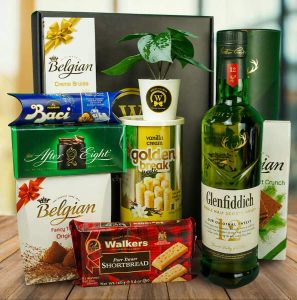
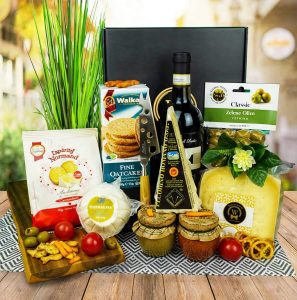
Under EU food law (Regulation EU 1169/2011), businesses must clearly declare 14 major allergens: cereals containing gluten, crustaceans, eggs, fish, peanuts, soybeans, milk, tree nuts, celery, mustard, sesame, sulfites, lupin, and mollusks. A hamper with artisan crackers, a nut mix, cheese, and wine can easily contain four or more of these categories, which matters when sending to a group without knowing individual allergy status.
Alcohol isn’t a universal default.
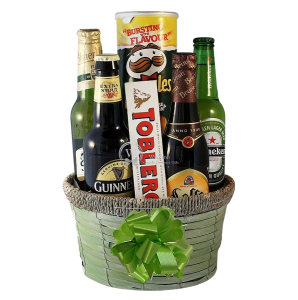
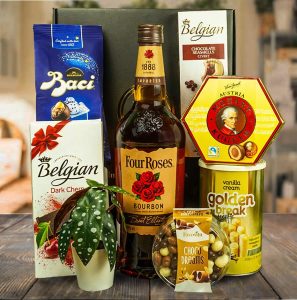
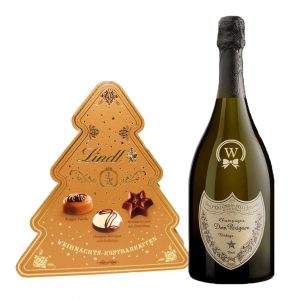
Champagne is a common corporate “thank you,” but it isn’t appropriate for every recipient, whether for religious reasons, personal choice, health, or workplace culture. This doesn’t mean avoiding wine or spirits altogether, but it does mean not assuming they’re universally welcome. Building the gift around food rather than drink is the safer default when you’re unsure, and non-alcoholic gourmet options cover this well.
Customs Rules That Affect Food Gifts
Even a gift that’s well-matched to its recipient still has to physically cross a border, which brings its own set of rules.
Cured meats face some of the strictest import bans.
Prosciutto, salami, chorizo, and jamón are popular premium gifts but are also among the most frequently restricted items at international borders. Many countries maintain strict bans on importing meat products, even commercially packaged ones, due to biosecurity concerns, and customs authorities generally don’t make exceptions for gift-giving intent.
Fresh produce and dairy face similar restrictions.
Artisan cheese, fresh fruit, and anything that could carry pests or disease typically requires phytosanitary or veterinary health certificates, which are expensive and impractical for individual gift shipments. In practice, this means fresh and dairy-based gifts are difficult to send internationally unless you’re working with a supplier who has already handled this paperwork.
Duty and VAT thresholds are changing, and they matter more for commercial shipments than people expect.
Within the EU, a simplified declaration exists for genuinely private, person-to-person gifts valued up to €45, but this relief is narrower than it sounds: it generally doesn’t extend to commercial shipments, even when they’re framed as corporate gifts. Separately, import VAT has applied to all goods entering the EU regardless of value since 2021, and the EU is removing its broader €150 duty-free threshold for low-value imports starting 1 July 2026, replacing it with a temporary flat fee aimed mainly at business-to-consumer e-commerce. For a US recipient, the picture has changed even more: the long-standing $800 de minimis exemption has been suspended for imports from all countries since August 2025, meaning shipments may go through formal or informal customs entry and face duties regardless of value. Because this area moves quickly, confirm current thresholds before assuming a shipment will clear duty-free.
EU Import Law for Non-EU Senders
Anyone sending corporate gifts into the EU from outside the bloc, including the UK, deals with an additional layer of regulation.
The post-Brexit UK situation is still evolving.
Since the UK left the EU Single Market, food of animal origin moving from Britain into EU countries has generally required official health certificates from a UK government-authorized vet, a real burden for small producers sending occasional gift shipments. In May 2025, the UK and EU agreed to negotiate a new sanitary and phytosanitary agreement intended to ease these checks substantially, and formal negotiations were authorized in late 2025. Implementation isn’t expected until around 2027, so the current certificate requirements remain in effect for now, and it’s worth checking the latest status before planning a UK-to-EU shipment involving animal-origin food.
SPS rules apply more broadly than just the UK relationship.
These sanitary and phytosanitary rules require animal products to meet EU disease-control and hygiene standards, plant products to be free of pests and pathogens, and appropriate documentation to travel with the shipment. A specialist gift company managing many shipments can build systems around this; an individual sender generally can’t.
CITES can affect premium packaging, not just food.
The Convention on International Trade in Endangered Species covers some decorative materials, exotic wood, items containing coral or shell, and similar packaging touches. If a premium gift box uses unusual natural materials, it’s worth confirming they’re CITES-compliant before shipping.
EU labeling requirements apply regardless of how good the product is.
Food entering the EU needs labeling in the destination country’s language, a full ingredient list, allergen declarations, and origin information. A product labeled only in English, or without EU-compliant labeling at all, generally won’t clear customs no matter what it contains.
What Tends to Travel Well
A few categories consistently clear the dietary, customs, and EU-law considerations described above more reliably than others.
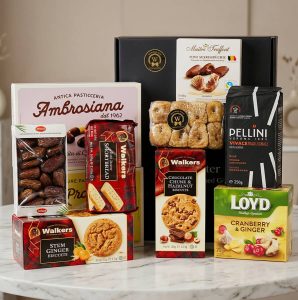
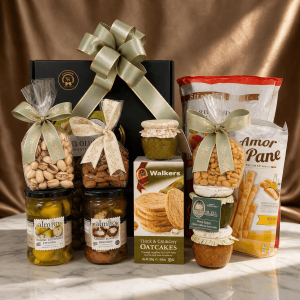
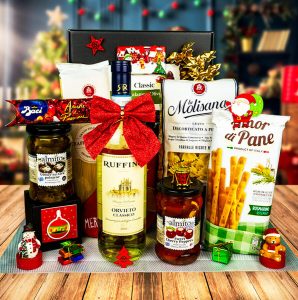
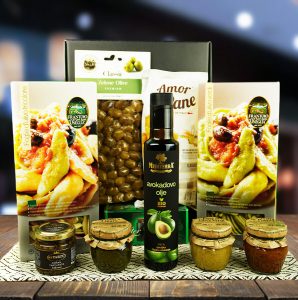
Shelf-stable, commercially packaged goods, premium teas, single-origin coffee, artisan jams, olive oil, balsamic vinegar, and allergen-labeled chocolates tend to be the safest starting point across most destinations. Sourcing locally within the recipient’s country avoids customs risk and labeling issues entirely, which is why many larger companies have moved toward this approach. Non-food alternatives, quality stationery, branded items, books, or experience vouchers sidestep all three problem areas. And working with a specialist provider who sources within the EU, understands dietary considerations, and manages documentation removes most of the burden from an in-house team, particularly for gifts going to multiple countries at once.
A Practical Checklist Before You Ship
If you’re managing this yourself, run each gift through these questions before it goes out:
- Is every food item shelf-stable and commercially packaged with a clear best-before date?
- Does the labeling comply with EU food law for the destination country’s language?
- Are the 14 EU-regulated allergens either absent or clearly declared?
- Does the gift include animal products that might require health certificates for the destination?
- Is the declared customs value accurate and consistent with the invoice?
- Have you considered whether any recipients might not drink alcohol or observe specific dietary practices?
- Have you confirmed that none of the packaging materials are subject to CITES restrictions?
A Note on This Information
Customs rules, duty thresholds, and food import law change frequently and vary by country, and the details above reflect general patterns rather than a guarantee for your specific shipment. This page is general information, not legal or customs advice. For a shipment that’s time-sensitive, high-value, or going to a country with specific restrictions, verify current requirements with an official customs source or a qualified customs broker before you ship.
How Walwater Gifts Can Help
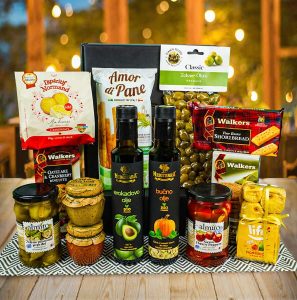
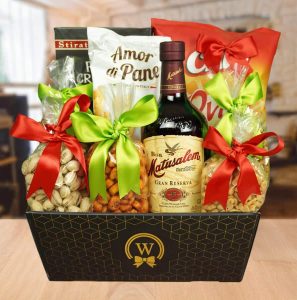
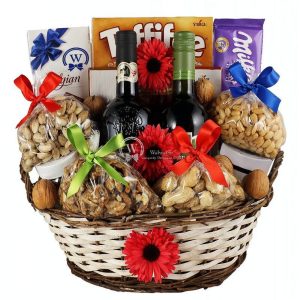
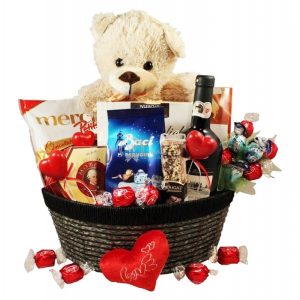
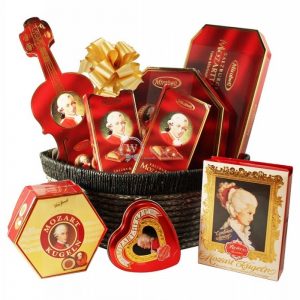
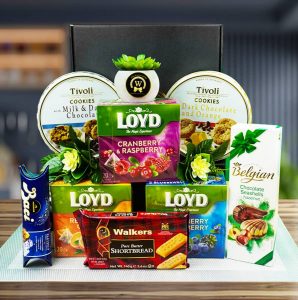
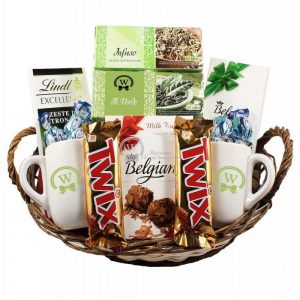
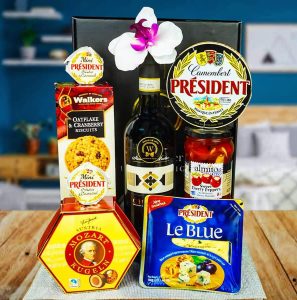
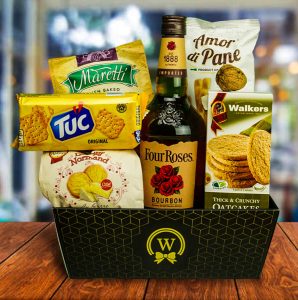
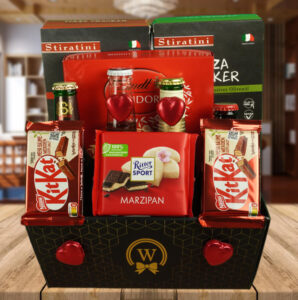
Walwater Gifts sources and prepares corporate gift baskets from within the European Union, which avoids many of the cross-border customs complications described above. The range includes gourmet, non-alcoholic, and mixed baskets suited to a dietarily diverse recipient list, with clear labeling on the products used.
For orders going to multiple countries or a large recipient list, it’s worth discussing your specific requirements, including any known dietary restrictions, before placing a bulk order. Gift choices and delivery options depend on the destination selected, so check the product page before ordering.
You can browse corporate and business gift baskets at https://sendgiftsineurope.com/corporate-and-business-gift-baskets/.
Frequently Asked Questions
Can I send a food hamper from the UK to the EU?
Yes, but it currently involves more paperwork than before Brexit. Food of animal origin generally needs official health certificates from a UK government-authorized vet. Shelf-stable, plant-based products are easier but still need EU-compliant labeling. A new UK-EU agreement aimed at easing these checks is being negotiated but isn’t expected to take effect until around 2027.
What food gifts are safest to send internationally?
Shelf-stable, commercially produced, clearly labeled items travel most reliably: premium teas, coffee, properly packaged chocolates, olive oil, jams, and crackers. Meat, fresh produce, and dairy are the most commonly restricted categories.
What is the EU customs duty threshold for gifts?
A simplified declaration applies to genuinely private, person-to-person gifts valued up to €45, but this generally doesn’t extend to commercial or corporate shipments. Import VAT already applies to all goods entering the EU regardless of value, and the EU’s broader €150 duty-free threshold for low-value imports is being removed from 1 July 2026.
Has the US de minimis exemption for gifts changed?
Yes. The previous $800 exemption has been suspended for imports from all countries since August 2025, with formal statutory elimination planned for 2027. Shipments to US recipients may now be subject to duties and formal customs entry regardless of value.
How do I handle dietary restrictions when gifting at scale?
The most practical approach is defaulting to the safest common denominator: alcohol-free, meat-free, nut-free, and clearly allergen-labeled. Alternatively, work with a provider offering customizable baskets so recipients can adjust components that don’t work for them.
Is it easier to have gifts sourced locally in each recipient’s country?
Generally, yes. Local sourcing avoids customs risk and labeling compliance issues entirely, which is part of why many companies sending gifts to multiple countries prefer this approach over shipping from one central location.
Does packaging ever cause customs issues, separate from the food itself?
Occasionally. Packaging that includes exotic wood, coral, shell, or similar natural materials can fall under CITES restrictions on protected species. This is a minor consideration for most gifts but worth checking for anything unusually decorative.
What happens if a gift gets held at customs?
Handling depends on the destination and the reason for the hold. It can result in delays, storage fees, or, in some cases, the item being returned or destroyed. This is part of why shelf-stable, clearly labeled, locally sourced gifts are the more reliable choice for time-sensitive corporate gifting.
Can I send the same gift to every client regardless of location?
It’s generally safer not to. A gift that’s appropriate in one market or culture may not be in another, particularly around alcohol and specific ingredients. Adjusting based on destination and known recipient preferences reduces the risk of an inappropriate or undeliverable gift.
Do these rules apply to gifts sent to a client’s home versus their office?
The customs and import rules themselves don’t change based on delivery address. Dietary and cultural considerations may vary slightly depending on whether the gift is more personal or more formal in context.