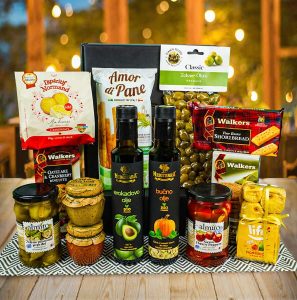
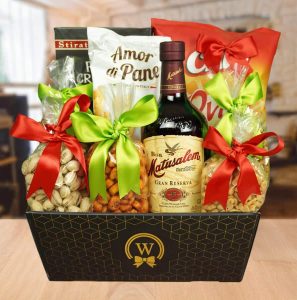
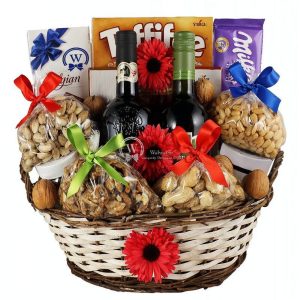
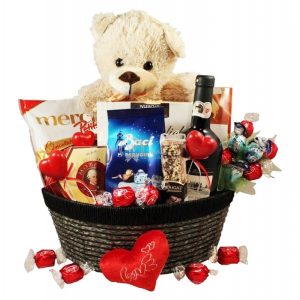
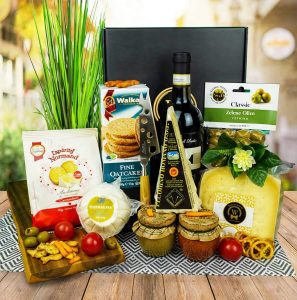
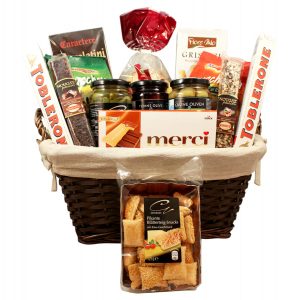
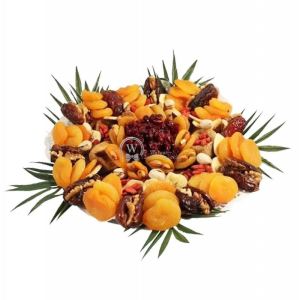
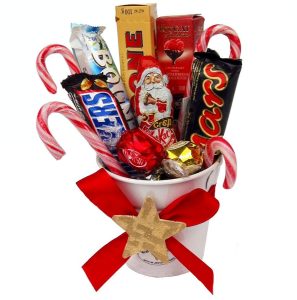
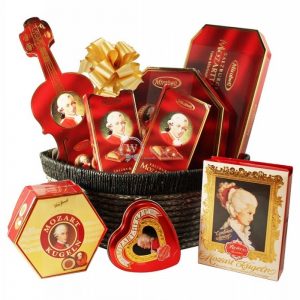
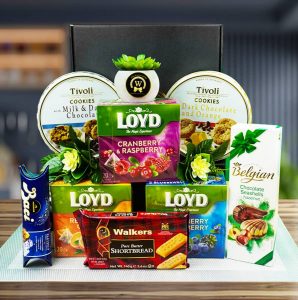
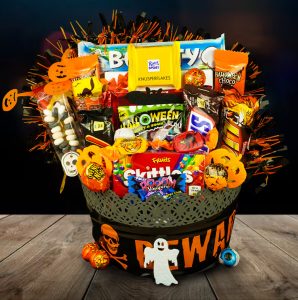
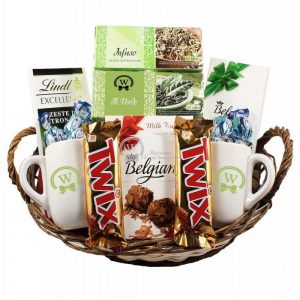
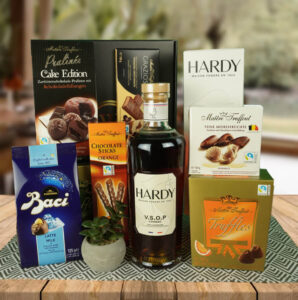
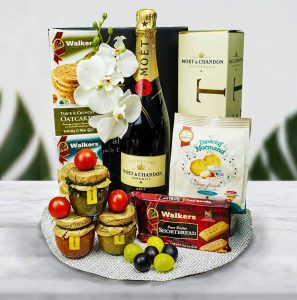
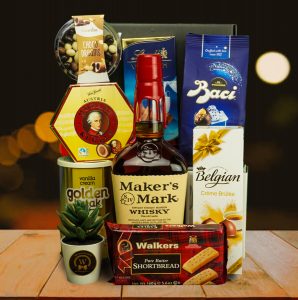
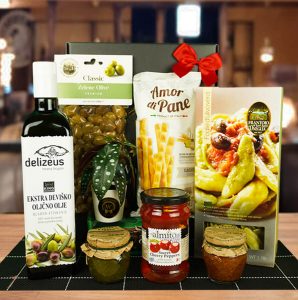
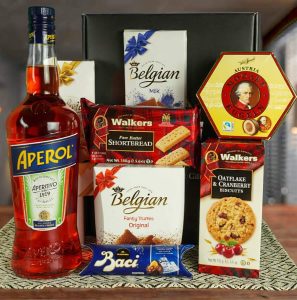
Premium, locally sourced European gift baskets are genuinely hard to find because many "European" services actually ship from outside the EU, small artisan producers rarely have international logistics, and search results tend to favor large platforms over specificity. Look for a supplier who can name their producers, confirms EU origin, and handles compliance and multi-country delivery directly.
A search for “gift baskets Europe” returns hundreds of results, yet finding one that’s genuinely locally sourced, rather than generically labeled “European,” often turns into hours of dead ends.
This page explains why that gap exists, what “locally sourced” actually means in practice, the mistakes that lead buyers toward generic options, and what to ask a supplier before you commit to an order.
Key Takeaways
- Some services that market themselves as “European” actually ship from warehouses outside the EU, meaning the label describes the destination, not the origin of the products.
- Small artisan producers rarely have the logistics infrastructure to ship individual gift baskets internationally on their own, which limits their direct reach even when their products are excellent.
- Post-Brexit rules have made it harder for UK-based producers of animal-origin products to reach EU recipients without official health certificates.
- Genuinely locally sourced means regional specificity: Dutch products for a Dutch recipient, not a basket that could technically contain items from anywhere in Europe.
- EU-sourced products delivered within the EU generally avoid the customs checks and certification requirements that apply to imports from outside the bloc.
- The clearest way to evaluate a supplier is to ask direct questions: can they name their producers, confirm EU origin, and handle multi-country delivery and dietary requirements?
- Locally sourced products aren’t necessarily more expensive than generic alternatives; the difference tends to show up in quality and recipient impression rather than price.
Why Premium, Locally Sourced Gift Baskets Are Hard to Find
The European gift basket market looks well-served from the outside; a search returns dozens of services and seemingly endless options. Finding one that’s genuinely locally sourced is a different matter.
Some services marketed as “European” actually operate from outside the EU, shipping in from the UK, US, or Asian warehouses. In that case, “European” describes the destination rather than the origin, which matters for compliance, labeling, and for the whole point of a locally sourced gift in the first place.
Separately, the artisan producers making some of Europe’s best food- small-batch olive oil from Crete, smoked trout from the Austrian Alps, farmhouse Gouda from the Netherlands – are rarely set up for international direct shipping. They sell locally or through regional distributors, and building the logistics to ship individual gift baskets across dozens of countries requires capital and systems that a small operation typically doesn’t have. The result is a gap between excellent products and buyers who can actually access them.
Post-Brexit rules have added another layer. Food of animal origin moving from the UK into EU countries generally requires official veterinary health certificates, which most small UK producers haven’t obtained, making a segment of the market that used to be well represented effectively unavailable to EU-based recipients for now.
Finally, search visibility doesn’t always track quality. Companies with larger marketing budgets and wider distribution networks tend to rank first, and their strength is usually logistics rather than curation. That doesn’t make them bad, but it does mean the more specific, artisan-sourced options often take extra digging to find.
What "Locally Sourced" Actually Means
The phrase gets used loosely, so it’s worth being specific about what it means and why it matters to the quality of the gift.
Regional specificity, not continental vagueness.
A basket labeled “European” could technically contain products from dozens of countries. A genuinely locally sourced basket for a Dutch recipient should contain Dutch products, aged Gouda, stroopwafels from a specific bakery, and coastal herring preparations. That specificity is part of what makes the gift feel considered rather than generic.
Freshness from a shorter supply chain.
Products that travel a shorter distance tend to arrive fresher. A cheese that moves from a farm in Normandy to a recipient in Paris has a simpler journey than one routed through a distant central warehouse, which matters especially for semi-perishable items like fresh preserves or artisan chocolates.
Cleaner customs and compliance.
EU-sourced products delivered within the EU generally avoid the customs checks, sanitary and phytosanitary rules, and health certificate requirements that apply to goods imported from outside the bloc, which reduces the risk of delays or issues at the border.
A different message to the recipient.
A locally sourced gift communicates attention to detail and respect for the recipient’s region. A generic basket from a large aggregator tends to communicate the opposite: that the sender went through the motions rather than putting thought into the choice.
Common Mistakes Buyers Make
A few patterns show up repeatedly when corporate buyers end up with a generic basket despite wanting something better.
Searching by destination rather than supplier is one; looking for “gift baskets France” instead of a supplier with genuine access to French artisan products who can deliver reliably across the EU. Confusing premium packaging with premium contents is another; an elegant box gets opened once, but the products inside are what the recipient actually remembers. And defaulting to scale at the expense of specificity is common with large platforms, since achieving wide EU coverage often means standardizing a product range that can be sourced centrally and shipped everywhere, which is the opposite of local specificity.
What to Ask a Potential Supplier
Use these questions to evaluate any gift basket supplier, not just for a first order but for an ongoing corporate relationship.
Question to Ask | Why It Matters |
|---|
Where are your products sourced from? Can you name specific producers? | A supplier who can answer specifically is more likely to be genuinely locally sourced rather than reselling generic stock |
Are all products of EU origin for EU deliveries? | Confirms the products avoid the customs and certification issues tied to non-EU imports |
Can you deliver to multiple EU countries from a single order? | Relevant for any buyer sending gifts to clients or teams across several countries |
How do you handle allergen labeling and dietary requirements? | Affects whether the basket is actually appropriate for a diverse recipient list |
What is your standard delivery timeline for my destination? | Timelines vary by destination and season, so ask rather than assume |
Do you offer account management for recurring corporate orders? | Relevant for procurement teams managing repeat or large-scale gifting |
Can I customize contents by recipient country or occasion? | Indicates whether the supplier can move beyond a single standardized basket |
If a supplier answers these specifically, that’s a good sign. Vague or generic answers are worth treating as a flag to keep looking.
Signs a Basket Is Generic Rather Than Locally Sourced
A few quick signals can help before you even reach out to a supplier. Product listings that describe items only as “European” or “gourmet” without naming a country, region, or producer are a common sign of generic sourcing. So is a website that offers the exact same basket contents for every European destination, regardless of country, since genuine regional sourcing naturally varies what’s available by location. Packaging that emphasizes the box more than the contents in product photos is another mild signal worth noticing. None of these are definitive on their own, but a few of them together are worth a direct question to the supplier before you order.
How Walwater Gifts Approaches This
Walwater Gifts sources products from within Europe and builds baskets around producers who make things in a traditional way, rather than assembling a single standardized range shipped everywhere. Because sourcing and delivery both happen within the EU, orders generally avoid the customs delays and certification issues that affect shipments from outside the bloc, though delivery timing and options still depend on the specific destination and season.
For corporate orders, this includes multiple delivery addresses, custom branding, and the ability to accommodate dietary requirements such as alcohol-free, nut-free, or vegan-appropriate baskets. Availability for any specific requirement should be confirmed for your order, since options can vary by product.
You can browse corporate and business gift baskets at https://sendgiftsineurope.com/corporate-and-business-gift-baskets/.
Frequently Asked Questions
What makes a gift basket genuinely “locally sourced”?
It contains products made by producers based in Europe, ideally in or near the recipient’s country or region, rather than a generic assortment shipped from a central warehouse. Ask a supplier whether they can name their producers and confirm EU origin.
Are locally sourced European gift baskets more expensive?
Not necessarily. Artisan products at a comparable quantity often cost about the same as mass-produced alternatives. The difference tends to show up in quality and recipient impression rather than price.
Can I send gift baskets to multiple EU countries in one order?
With the right supplier, yes. Look for one set up to handle multiple delivery addresses across different EU countries from a single order, with appropriate labeling and compliance for each destination.
What if my recipients have dietary restrictions?
This is worth asking any supplier directly. Good options generally include alcohol-free, nut-free, gluten-free, and vegan-appropriate baskets, though availability varies by product, so confirm before ordering.
How do I handle corporate gifting at scale without losing quality?
Choose a supplier built around corporate clients rather than only individual buyers, with account management, consistent quality across larger batches, and clear communication on timelines.
How can I verify a supplier’s sourcing claims rather than just taking their word for it?
Ask specific questions: can they name the region or producer for a given product, and can they confirm EU origin for your destination? Vague or evasive answers to specific questions are a reasonable signal to look elsewhere.
Does locally sourced matter for smaller, non-corporate orders too?
Yes, the same considerations apply whether you’re ordering one gift or fifty. A locally sourced basket for a single recipient benefits from the same freshness and specificity as a larger corporate order.
Is “European” the same as “EU-sourced”?
Not necessarily. “European” can describe a much wider geography, including non-EU countries, and sometimes only describes where a product is delivered rather than where it was made. If EU origin matters for your order, ask directly rather than assuming.
Does local sourcing apply to non-food items in a gift basket too?
It can, though the customs and compliance considerations are usually more significant for food and drink. Packaging and non-food add-ons are generally less affected by sourcing location.
How far in advance should I order to allow for proper sourcing?
This depends on the basket and destination, so check the specific product page. Highly customized or large multi-country orders generally benefit from more lead time than a standard order.
Can a single supplier realistically cover all 27 EU countries well?
Coverage and depth can vary by country even within one supplier’s range, so it’s worth asking specifically about your destination rather than assuming uniform coverage everywhere.
What’s the risk of using a generic, non-EU-based gift platform?
Products sourced from outside the EU can face customs delays, may lack EU-compliant labeling, and may not reflect the regional specificity that makes a locally sourced gift feel considered. These are risks to weigh rather than guaranteed outcomes.