Corporate gift tax limits vary by country in Europe. Germany allows a tax deduction on business gifts up to €50 per person per year, and France allows VAT recovery on gifts up to €73 per person per year. Anti-bribery policies add a separate standard, favoring gifts that are modest, transparent, and not tied to a specific business decision. This is general information, not tax or legal advice.
Sending a corporate gift to a client, employee, or partner in Europe raises two separate questions. The first is a tax question: does the gift stay within the local threshold for a tax deduction or VAT recovery? The second is a compliance question: does the gift meet your company’s anti-bribery standards, regardless of what the tax rules allow?
These two questions get confused often, since a gift can pass one test and fail the other. This guide looks at the tax-deductible and VAT-recoverable gift limits in Germany and France, how anti-bribery guidance treats corporate gifts, and how to structure a gifting approach that accounts for both. This is general information based on publicly available sources, not tax or legal advice specific to your company.
Key Takeaways
- Tax-free limits for business gifts differ by country, and Germany and France each set their own thresholds.
- Germany treats €50 per recipient per year as an exemption limit, so the entire gift value becomes non-deductible once it is exceeded, not just the amount above it.
- France allows VAT recovery on gifts worth up to €73 including tax, per recipient per year, and requires extra reporting once total annual gifts to all recipients pass €3,000.
- Staying under a tax-free threshold and staying compliant with an anti-bribery policy are two separate questions, and a gift can meet one standard while failing the other.
- Anti-bribery guidance generally favors gifts that are modest, transparent, unrelated to a pending decision, and properly recorded.
- Many premium gift baskets exceed these lower tax thresholds, which does not make them improper, but does affect whether the cost can be deducted.
- We at Walwater Gifts do not provide tax, legal, or compliance advice, and businesses should confirm current thresholds with a local advisor before finalizing a gifting policy.
How Corporate Gift Tax Limits Work in Europe
Each European country sets its own rules for how corporate gifts are treated for tax purposes. Some countries link the rule to income tax deductibility, meaning the cost of the gift can or cannot be written off as a business expense. Others link the rule to VAT, meaning the tax paid on the gift can or cannot be recovered. Germany’s rule is a deductibility limit. France’s rule is a VAT recovery limit. The two are not interchangeable, and a rule that applies in one country does not carry over to another.
It also helps to understand the difference between an exemption limit and an allowance. An allowance typically lets a business deduct the amount up to the limit, even if it spends more. An exemption limit works differently: if the total value for one recipient goes even slightly over the threshold, the entire amount can lose its tax benefit, not just the portion above the limit. Germany’s rule works this way, which matters when planning a gift budget.
Corporate Gift Tax Rules in Germany
In Germany, the tax-deductible limit for gifts given to business partners, clients, or contacts is €50 per recipient, per calendar year. This is a net figure, excluding VAT, for businesses that can reclaim input tax. For a business without that right, VAT counts toward the €50 limit. The figure applies per person, not per gift, so if a company sends more than one gift to the same recipient in a year, the combined value counts toward the limit.
The German rule is described as an exemption limit rather than an allowance. If the gifts to one recipient add up to more than €50 in a year, the full amount loses its tax deduction, not just the amount above €50. There is an exception for gifts the recipient can only use within their own business, which depends on the specific gift and is not addressed further here. Businesses gifting into Germany should confirm current details with a German tax advisor, since this threshold has changed before, most recently rising from €35 to €50.
Corporate Gift Tax Rules in France
France applies a different kind of limit, tied to VAT rather than income tax deductibility. A business can recover the VAT paid on a gift to a client or business contact only if the gift’s value, including VAT, does not exceed €73 per recipient, per year. This threshold covers the cost of the gift along with related costs such as packaging. If the total value to one recipient goes over €73 in a year, the VAT on that gift cannot be recovered, though the underlying expense may still be deductible for income tax purposes.
France also sets a separate reporting requirement. When a company’s total gifts to all recipients in a year exceed €3,000, the gifts must be declared using specific tax forms. This reporting threshold is different from the €73 per-recipient VAT limit and applies to a company’s total gifting activity, not a single recipient.
Corporate Gift Tax Limits in Other European Countries
Tax rules for business gifts vary by country, and this guide does not attempt to list every threshold across Europe. Some countries publish a specific euro figure, similar to Germany and France, while others rely on a general standard of reasonableness without a fixed number. Because these rules change and differ by jurisdiction, confirm the current threshold for any country where you plan to send corporate gifts with a local tax advisor or the relevant national tax authority before finalizing a large order or an ongoing gifting program.
Anti-Bribery Policy and Corporate Gifting
Staying under a tax threshold does not automatically satisfy a company’s anti-bribery policy, and the two should be treated as separate checks. Anti-bribery guidance published by Transparency International UK, developed to help companies interpret the UK Bribery Act, recommends that gifts and hospitality stay transparent, proportionate, reasonable, and genuinely intended as a gesture of goodwill rather than an attempt to influence a decision.
The same guidance recommends that companies set an upper limit for gift value that fits normal business practice, adjust that limit based on the region and the recipient’s role, and require extra approval before sending a gift to a public official or someone who works for a state-owned organization. A gift that falls within a country’s tax-free threshold can still raise concerns under an anti-bribery policy if it is tied to a pending decision, given to someone in a position of influence, or not properly recorded.
How Tax Limits and Anti-Bribery Rules Differ
A tax-deductible or VAT-recoverable limit answers one question: can the business write off the cost of the gift? An anti-bribery policy answers a different question: does the gift create a risk of being seen as an attempt to influence a decision? A company can choose to send a gift above a country’s tax-free threshold; it simply will not get the same tax treatment. A company generally should not send a gift that raises anti-bribery concerns, regardless of its tax treatment. Building a gifting policy around both standards, rather than just the lower of the two, tends to reduce risk on both fronts.
Steps to Structure Compliant Corporate Gifting Across Europe
A clear process helps a business plan corporate gifting with both tax and compliance rules in mind.
- List each recipient’s country before setting a gift budget.
- Check the current tax-deductible or VAT-recoverable threshold for each country involved.
- Separate the tax-deductibility goal from the anti-bribery compliance goal, since they are not the same test.
- Set an internal company policy that caps gift value regardless of what a tax authority allows.
- Flag any recipient who works for a government body or state-owned company for extra review.
- Choose gifts that suit the relationship rather than the maximum allowed threshold.
- Record who received each gift, its value, and the occasion, in case of a later audit.
- Confirm current thresholds with a local tax advisor before finalizing a large or repeat order, since limits can change.
Germany Compared With France: Business Gift Tax Rules
A side-by-side view of the two thresholds covered in this guide.
Feature | Germany | France |
Type of limit | Income tax deduction limit | VAT recovery limit |
Threshold amount | €50 per recipient, per year (net of VAT where applicable) | €73 per recipient, per year (including VAT) |
If the limit is exceeded | The entire gift value loses its tax deduction, not just the amount above €50 | VAT on the gift can no longer be recovered |
Extra reporting trigger | Not addressed in the sources used for this guide | Total annual gifts over €3,000 must be declared on forms 2065-SD or 2031-SD |
Governing tax type | Corporate income tax | Value-added tax (VAT) |
Common Mistakes in Cross-Border Corporate Gifting Compliance
- Assuming one country’s threshold applies everywhere in Europe.
- Treating a low tax threshold as a hard legal limit on gift value, when it is really a deductibility rule.
- Sending a gift to a public official without extra internal review.
- Skipping documentation for gifts that seem too small to matter.
- Waiting until after a gifting season to check whether thresholds have changed.
Why Working With a Europe-Based Gift Provider Can Help
Ordering from a company based in Europe means the gift is prepared and shipped within the region, rather than mailed from the USA, the UK, Australia, or Canada. This does not change the tax or anti-bribery rules that apply to your company, but it can simplify coordinating delivery, documentation, and timing across several recipients in different countries.
How Walwater Gifts Can Help
We at Walwater Gifts prepare and ship gift baskets to supported European destinations for personal and corporate orders. Our team does not provide tax, legal, or compliance advice, and a gift purchased through our site does not carry any built-in guarantee that it meets a specific country’s tax-free threshold or your company’s anti-bribery policy. Confirming those details is the responsibility of the purchasing business.
What our team can offer is a clear order process, a printed message on a designed card, and delivery within Europe to your recipient’s address, which makes it easier to plan a gifting program once your company has confirmed its own compliance requirements.
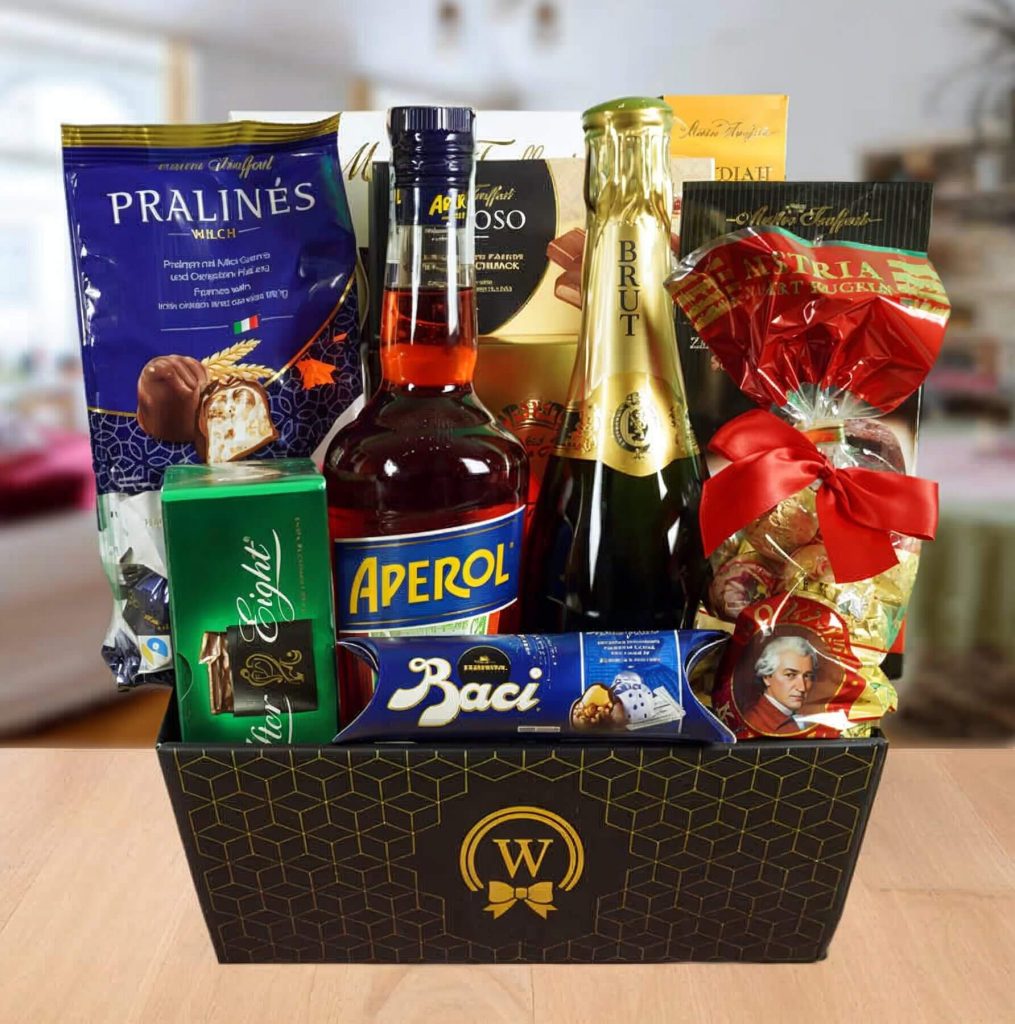
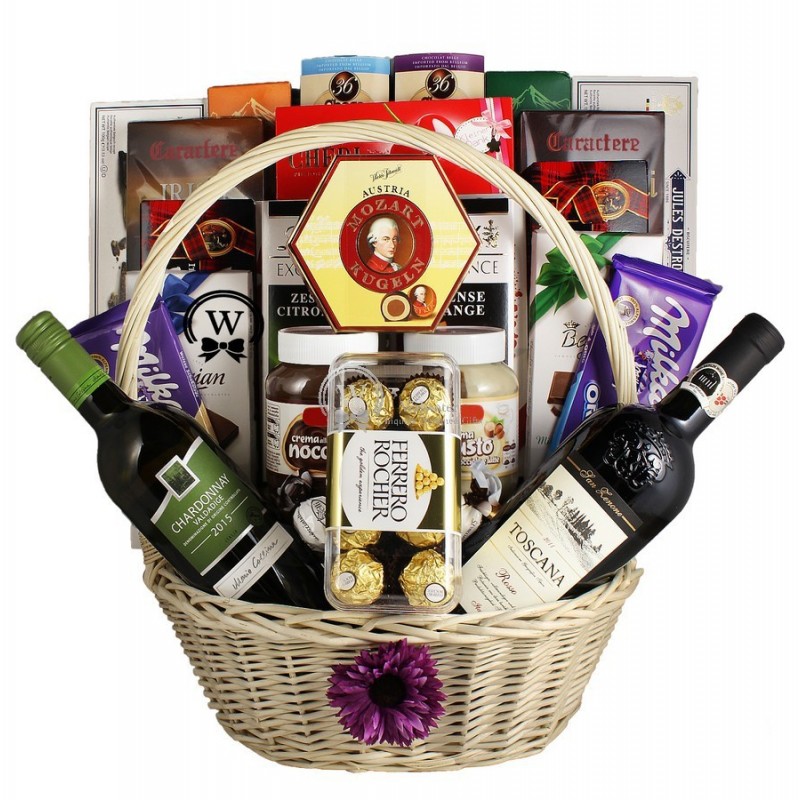
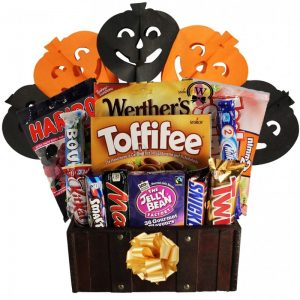
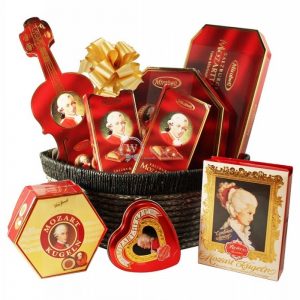
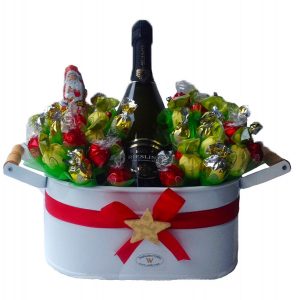
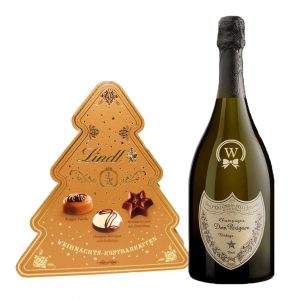
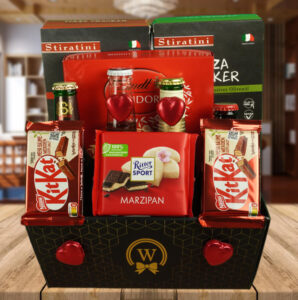
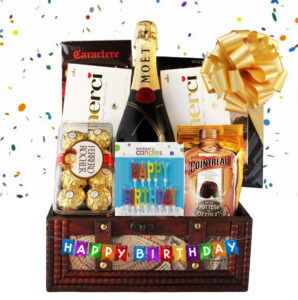
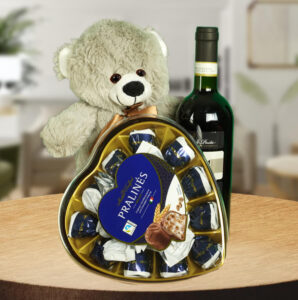
If you want to send gifts across Europe with Walwater Gifts, here are a few options worth considering for corporate gifting, once your company has confirmed the applicable tax and compliance rules.
Availability depends on the destination and the product selected, so check the product page for your recipient’s country before ordering. Confirm your own company’s tax and compliance requirements separately, since product availability does not reflect tax-deductibility or compliance status.
A Simple Final Checklist for Corporate Gift Tax and Compliance
- Confirm the recipient’s country and its current gift tax threshold.
- Check whether your company’s anti-bribery policy sets a lower limit than the local tax threshold.
- Flag any recipient connected to a government body or state-owned organization for extra review.
- Record the recipient, gift value, and occasion for each corporate gift sent.
- Choose a gift that reflects the relationship, not the maximum allowed threshold.
- Confirm current thresholds with a tax advisor before a large or repeat order.
- Review your gifting policy periodically, since thresholds and rules can change.
Frequently Asked Questions
What is the corporate gift tax limit in Germany?
Germany allows a tax deduction on business gifts up to €50 per recipient, per calendar year, generally net of VAT. This is an exemption limit, so if the total value to one recipient goes over €50, the entire amount loses its deduction, not just the excess.
What is the corporate gift tax limit in France?
France allows VAT recovery on business gifts worth up to €73 per recipient, per year, including tax. Gifts over that amount lose their VAT recovery, though the expense may still be deductible for income tax. Total annual gifts over €3,000 must also be declared.
Is a corporate gift tax limit the same as an anti-bribery rule?
No. A tax limit determines whether a business can deduct or recover tax on a gift’s cost. An anti-bribery policy determines whether the gift itself is appropriate to send. A gift can meet one standard and still raise concerns under the other.
What happens if a corporate gift exceeds Germany’s tax-deductible limit?
The full value of the gift to that recipient loses its tax deduction for the year, not just the amount above €50. The gift can still be sent; it simply will not receive the same tax treatment as a gift that stays under the threshold.
Does every European country have the same gift tax threshold?
No. Germany and France set different thresholds, tied to different types of tax, and other European countries set their own rules or rely on general standards. Confirm the specific threshold for each recipient’s country with a local tax advisor.
Can I still send a premium corporate gift if it exceeds the local tax-free limit?
Yes, exceeding a tax-free threshold does not make a gift improper. It generally means the company cannot claim the same tax deduction or VAT recovery on that gift, so the sender should budget for that outcome.
What makes a corporate gift look like a bribe under anti-bribery guidance?
A gift tends to raise concerns when it is tied to a pending decision, sent to someone in a position of influence over that decision, unusually large for the relationship, or not documented. Anti-bribery guidance favors gifts that are modest, transparent, and clearly a gesture of goodwill.
Should I keep records of corporate gifts sent to clients or officials?
Yes, anti-bribery guidance generally recommends recording who received a gift, its value, and the occasion. This documentation can help a company demonstrate that its gifting practice is consistent and reasonable if it is ever reviewed.
Does Walwater Gifts provide tax or legal advice on corporate gifting?
No. We at Walwater Gifts prepare and ship gift baskets to supported European destinations, but our team does not provide tax, legal, or compliance advice. Businesses should confirm applicable thresholds and policies with their own advisors.
How do I handle corporate gifting for public officials in Europe?
Anti-bribery guidance recommends extra internal review and, in many cases, prior approval before sending a gift to a public official or someone employed by a state-owned organization. This applies regardless of whether the gift falls under a local tax-free threshold.
What tax reporting is required in France for larger volumes of gifts?
When a company’s total gifts to all recipients in a year exceed €3,000, French rules require the gifts to be declared using specific tax forms. This total applies to overall gifting activity, separate from the €73 per-recipient VAT threshold.
Do these thresholds change over time?
Yes, thresholds like Germany’s gift deduction limit and France’s VAT recovery limit have changed in the past and can change again. Confirm the current figure with a tax advisor or the relevant national tax authority before relying on it for a gifting program.
Can I send corporate gifts from the USA, UK, Australia, or Canada to recipients in Europe?
Yes, buyers from these countries and others can order online for delivery to supported European destinations. The gift is prepared and shipped from within Europe, and availability depends on the destination and product chosen.
Final Call to Action
Ready to plan a corporate gifting program for recipients across Europe? Confirm your company’s tax and anti-bribery requirements first, then browse the gift baskets available through Walwater Gifts and choose options suited to each recipient’s country and relationship.
Visit https://sendgiftsineurope.com/ to see what is available for your recipients’ locations.