A Traditional Rosh Hashanah Gift Basket should ideally reflect wishes for a sweet, fruitful, and abundant new year. Apples and honey are the most widely recognized choices. Round challah and pomegranate are also common. Sephardic traditions may add dates, leeks, beans, beets, gourds, and other symbolic foods called simanim. There is no single mandatory basket for every Jewish family.
Choosing a Rosh Hashanah gift can seem simple until you start asking what actually belongs inside.
Should there be honey? Apples? Wine? Pomegranate? Challah? Dates?
The answer depends partly on the recipient’s tradition.
Rosh Hashanah food customs developed across different Jewish communities, so a thoughtful basket should respect that variety. A gift sent from the USA, the UK, Canada, or Australia to Europe also needs to be practical for delivery.
This guide explains the most recognized symbolic foods, what each one represents, which items travel well, and how to choose a suitable personal or corporate Rosh Hashanah gift.
Key Takeaways
- Apples and honey are among the most recognizable Rosh Hashanah food traditions and represent hopes for a sweet new year.
- Round challah is common in many Ashkenazi homes and is often associated with the cycle of the year.
- Pomegranate is another familiar symbolic food associated with abundant merits and good deeds.
- Sephardic Rosh Hashanah seders may include dates, beans, leeks, beets, gourds, pomegranate, apple and honey, and a head of fish or ram.
- Not every symbolic food needs to appear in a delivered gift basket.
- Shelf-stable foods, sweets, wine, gourmet products, dried fruit, and symbolic flavors are often more practical for European delivery.
- Walwater Gifts offers personal and corporate gift choices for supported European destinations, with availability depending on the selected product and country.
What Makes a Rosh Hashanah Gift Basket Traditional?
A traditional Rosh Hashanah gift basket is not defined by a fixed shopping list.
Its meaning comes from foods connected with the Jewish New Year and the wishes expressed at the holiday table.
Rosh Hashanah begins the Hebrew month of Tishrei. The holiday combines celebration, prayer, reflection, and hopes for a good year ahead. Food traditions turn many of those hopes into physical symbols.
Some foods represent sweetness. Others suggest abundance, fertility, good deeds, or leaving difficulties behind.
The Hebrew term simanim means signs or symbols. Many Jewish communities eat symbolic foods on Rosh Hashanah while saying short wishes or prayers connected with them. The exact selection and order differ among communities.
This distinction matters when choosing a gift.
A basket for an Ashkenazi family in Germany may look different from one chosen for a Sephardic household in France. A corporate gift for a client whose customs are unknown should usually use broad, respectful symbols rather than assuming a very specific ritual tradition.
Are Apples and Honey Essential?
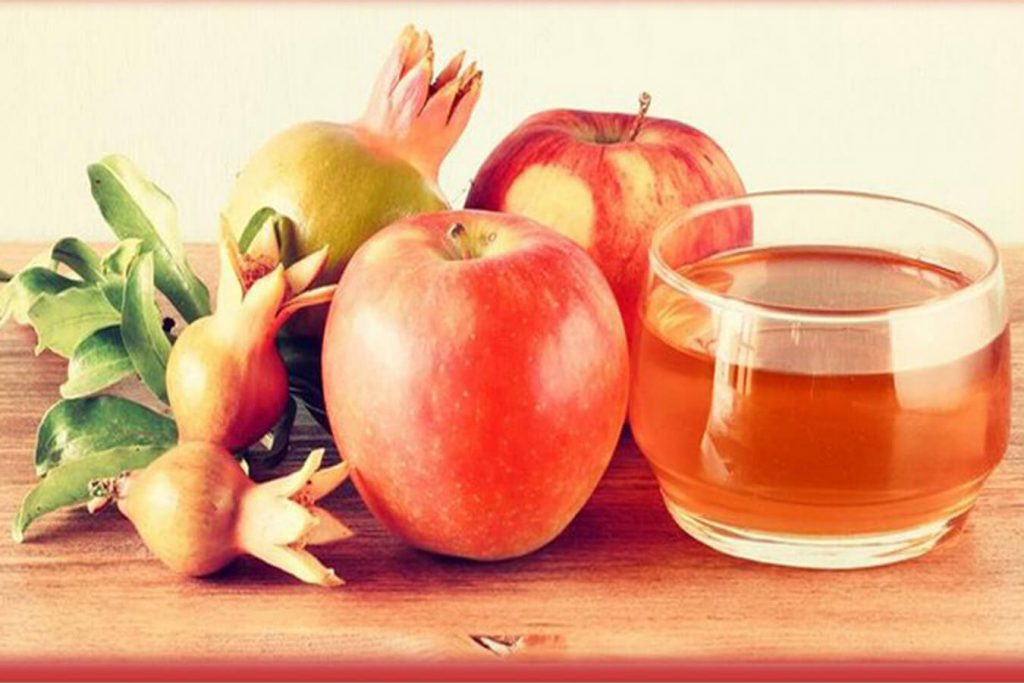
Apples dipped in honey are the clearest starting point for a Rosh Hashanah food gift.
They represent the wish for a good and sweet year. The custom is particularly associated with the first night of Rosh Hashanah.
That makes honey one of the easiest symbolic ingredients to use in a gift.
A basket may contain honey itself or sweet foods that fit the broader theme. If fresh apples are impractical for long-distance delivery, an apple-themed sweet, preserve, or similar product can still support the seasonal idea, though it does not replace the ritual custom itself.
For someone building a gift personally, fresh apples and a jar of quality honey form the most recognizable combination.
For commercial delivery across Europe, shelf stability matters. Fresh produce may not always be suitable for the selected route or season, so check the actual product rather than assuming fresh apples will be included.
Why Is Honey So Important?
Honey expresses the hope that the coming year will bring sweetness.
Jewish tradition frequently connects honey with abundance and blessing. On Rosh Hashanah, that meaning becomes very direct through the wish for a sweet year.
Honey also works well as a gift because it feels generous without being extravagant.
For family, it can be warm and familiar.
For a client or employee, the symbolism can be understood easily when accompanied by a short greeting such as:
“Wishing you and your family a sweet, healthy, and peaceful New Year.”
A simple message often carries more meaning than trying to explain every ritual food in the basket.
What Does Pomegranate Symbolize?
Pomegranates are a common Rosh Hashanah symbol in many Jewish homes.
One traditional explanation connects the many seeds of the fruit with a wish that good deeds and merits will also be plentiful.
The fruit also visually fits the season. Its rich color and abundance of seeds make it a natural symbol of plenty.
A fresh pomegranate does not need to appear in every gift basket. Pomegranate-flavored sweets, preserves, beverages, or another food reference can bring the symbolism into a gift where fresh fruit delivery is not practical.
Still, do not describe pomegranate as universally required. Some families use it regularly, while others follow different traditions.
Why Is Round Challah Served?
Many families serve a round challah rather than the familiar braided form used during much of the year.
The round shape is commonly linked with the cycle of the year. Some Rosh Hashanah challahs are made sweeter or include raisins. Challah may also be dipped in honey during the holiday meal.
Fresh challah is meaningful at the table but less practical inside a gift traveling several days.
If you are visiting someone locally, fresh round challah can be an excellent addition.
When sending a hamper across Europe, it may be wiser to let the recipient buy fresh challah locally and choose shelf-stable symbolic foods for the delivered basket.
What Are the Sephardic Simanim?
Sephardic Rosh Hashanah customs can include a much broader symbolic food ceremony.
One documented Sephardic seder includes:
- Dates
- Light-coloured beans
- Leeks
- Beets
- Gourd
- Pomegranate
- Apple and honey
- The head of a ram or fish
Each food is associated with a particular wish, often based on wordplay in Hebrew or Aramaic.
Other Sephardic and Mizrahi communities may use different foods or preparations. There is no single identical seder across all families.
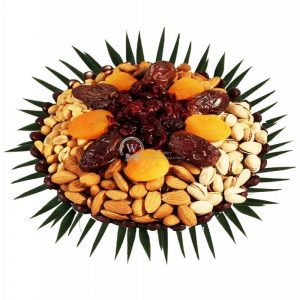
For gift purposes, dates are especially practical. They travel well, feel festive, and have a real place among the traditional simanim.
Leeks, beets, gourds, or fish heads make sense at a holiday table but are rarely sensible choices for a commercial hamper traveling across borders.
That difference between ritual food and gift food is important.
Are Dates a Good Rosh Hashanah Gift?
Dates are an excellent choice when you want a gift with genuine symbolic roots and good shelf stability.
They appear in Sephardic Rosh Hashanah seder traditions and are among the foods associated with special wishes for the new year.
Dates also combine well with nuts, chocolate, honey, and other gourmet foods.
This makes them particularly useful in:
- Family hampers
- Alcohol-free gifts
- Client gifts
- Employee gifts
- Host gifts
- Shared office baskets
If the recipient has a nut allergy, check the surrounding products carefully before choosing a dates-and-nuts presentation.
Are Carrots Traditional?
Sweet carrots are especially familiar within Ashkenazi Rosh Hashanah cooking.
A common dish is tzimmes, often made with carrots and other sweet ingredients. Chabad notes a Yiddish word connection between carrots and increase or abundance.
Carrot-based dishes belong more naturally on a home-cooked holiday table than inside a shipped hamper.
The broader lesson for gift buyers is that sweetness is not limited to honey. Rosh Hashanah meals often use sweet flavors to express hopes for a positive year.
Should a Gift Basket Contain Wine?
Wine or grape juice is associated with Kiddush at Rosh Hashanah meals, so wine can be appropriate for an adult recipient who drinks alcohol.
However, wine is not automatically the right choice.
Before sending alcohol, consider:
- Does the recipient drink?
- Is the gift intended for an individual or an office?
- Does the company permit alcohol gifts?
- Is the recipient an adult?
- Is the selected wine suitable for the recipient’s level of kosher observance?
- Can alcohol be delivered to the destination under the available service?
International alcohol shipment rules can vary by carrier and destination. DHL advises checking restrictions because alcohol may face additional limits when sent internationally.
An alcohol-free gourmet hamper is often the safer option when you do not know the recipient well.
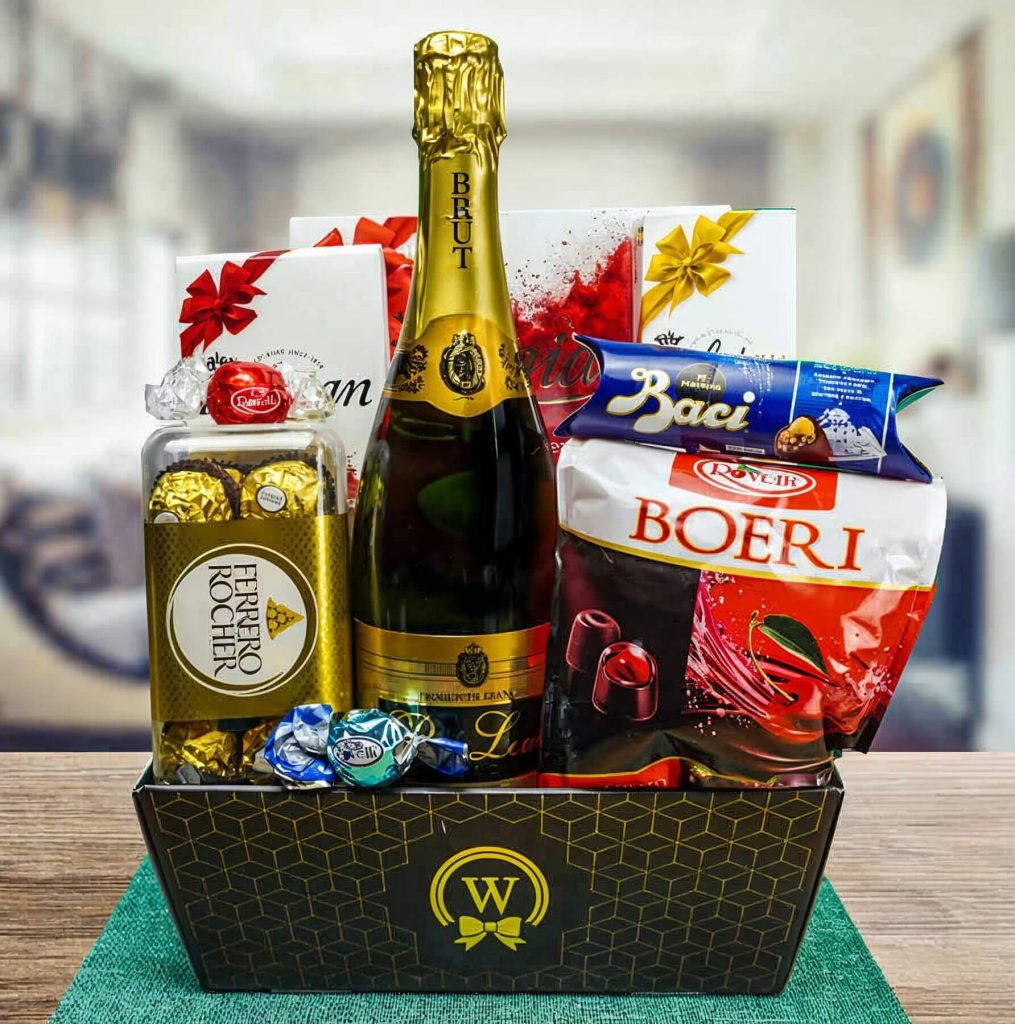
Is Champagne Appropriate for Rosh Hashanah?
Champagne is not a traditional Rosh Hashanah symbolic food.
However, it can still work as a celebratory gift for an adult recipient who enjoys Champagne.
The distinction is useful.
Honey, apples, pomegranate, dates, and symbolic foods connect directly with holiday customs. Champagne expresses celebration rather than a specific Rosh Hashanah ritual.
For a business client, executive, or close friend, Champagne can make the gift feel festive. Add a greeting that clearly connects the present to Rosh Hashanah.
If religious observance is important to the recipient, check whether the product meets their dietary requirements before sending it.
Does a Rosh Hashanah Gift Basket Need to Be Kosher?
Not every Jewish recipient keeps the same level of kosher observance.
If you know the recipient keeps kosher, select products that meet the level of certification they accept.
Do not assume that a product is kosher because it contains familiar Jewish holiday foods.
Wine requires particular attention because kosher wine has additional production requirements. A general commercial wine cannot automatically be described as kosher.
For an observant family or client whose standards you do not know, asking discreetly is better than guessing.
A short question works:
“We would like to send a Rosh Hashanah gift. Are there any dietary or kosher requirements we should keep in mind?”
That does not spoil the full surprise.
What Should Go Into a Practical Rosh Hashanah Gift Basket?
A useful gift does not need to reproduce the entire holiday seder. A practical basket might draw on several themes:
Gift Element | Symbolic Connection | Practical for Shipping? | Best For |
Honey or honey-themed sweets | Sweet year | Yes | Most recipients |
Apple flavour | Sweetness tradition | Usually | Family and personal gifts |
Pomegranate flavour | Abundance and good deeds | Usually | Personal or business gifts |
Dates | Traditional siman | Yes | Family and corporate gifts |
Sweet baked foods | Sweet year | Often | Families and offices |
Gourmet foods | Celebration and hospitality | Yes | Clients and employees |
Wine | Kiddush and celebration | Depends | Known adult recipients |
Champagne | Celebration rather than ritual | Depends | Executive and milestone gifts |
The more you know about the recipient, the more specific you can be.
When traditions are unknown, sweetness, abundance, hospitality, and a sincere New Year greeting provide a respectful foundation.
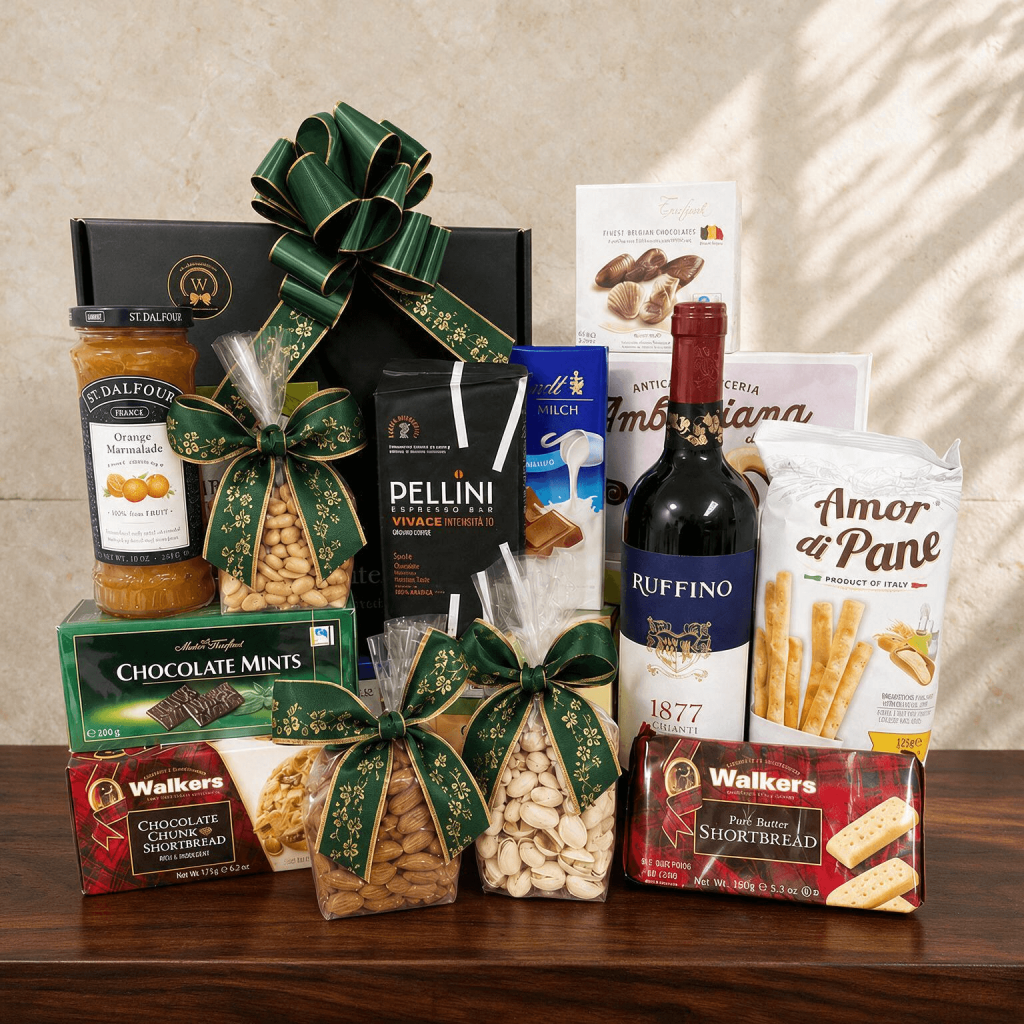
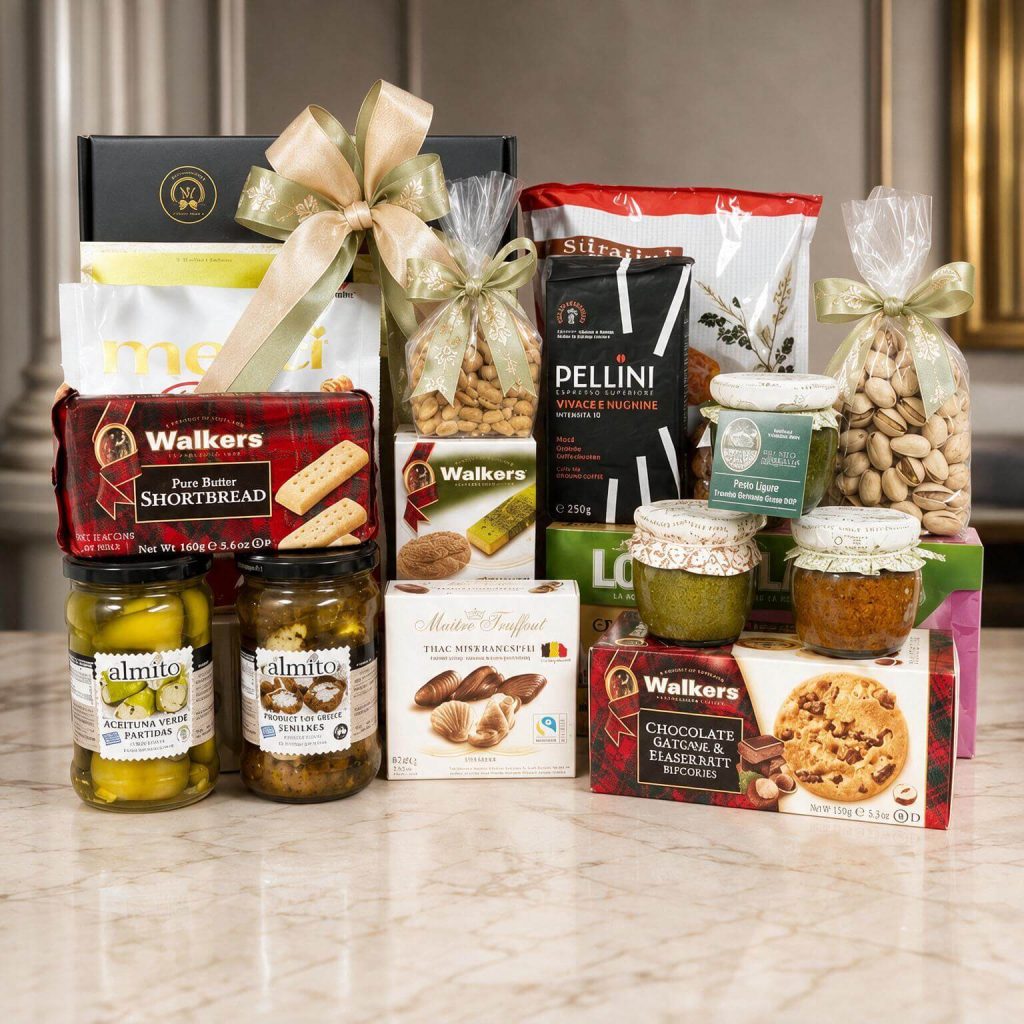
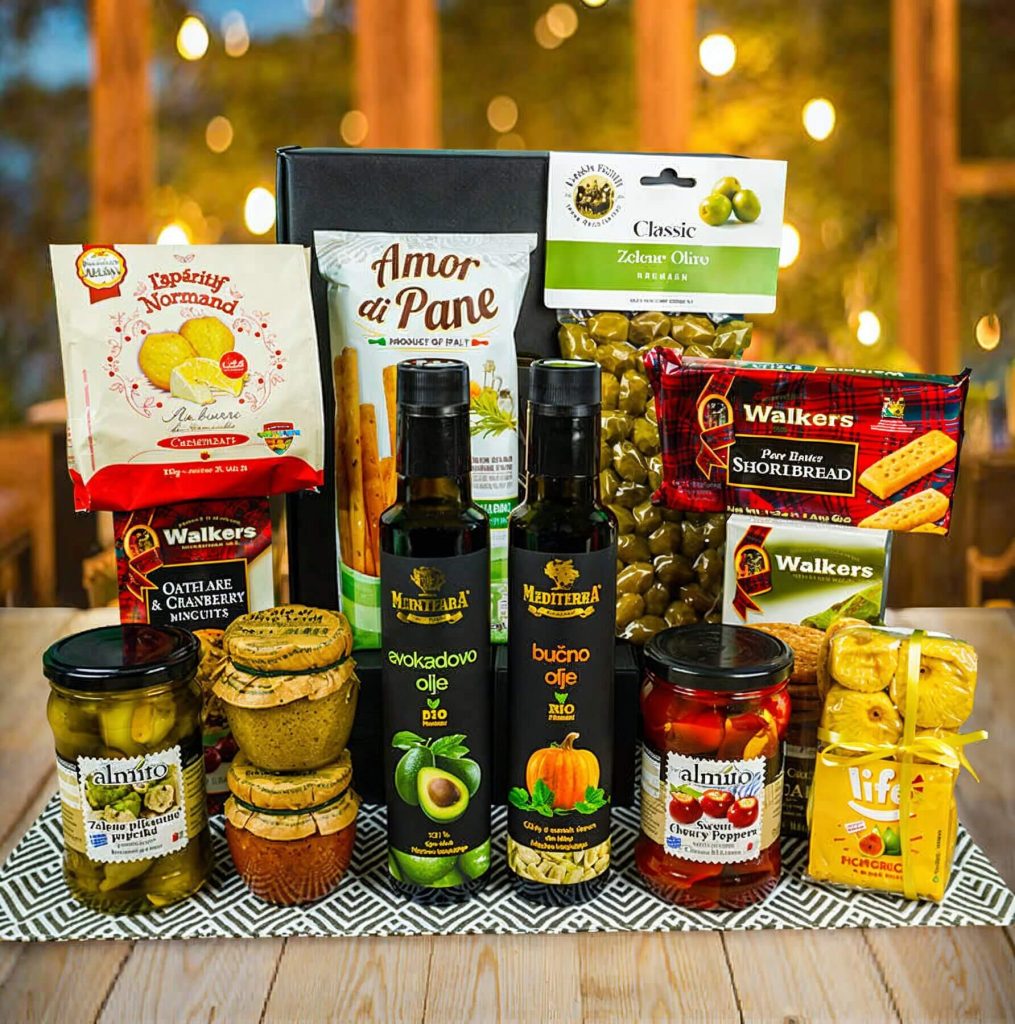
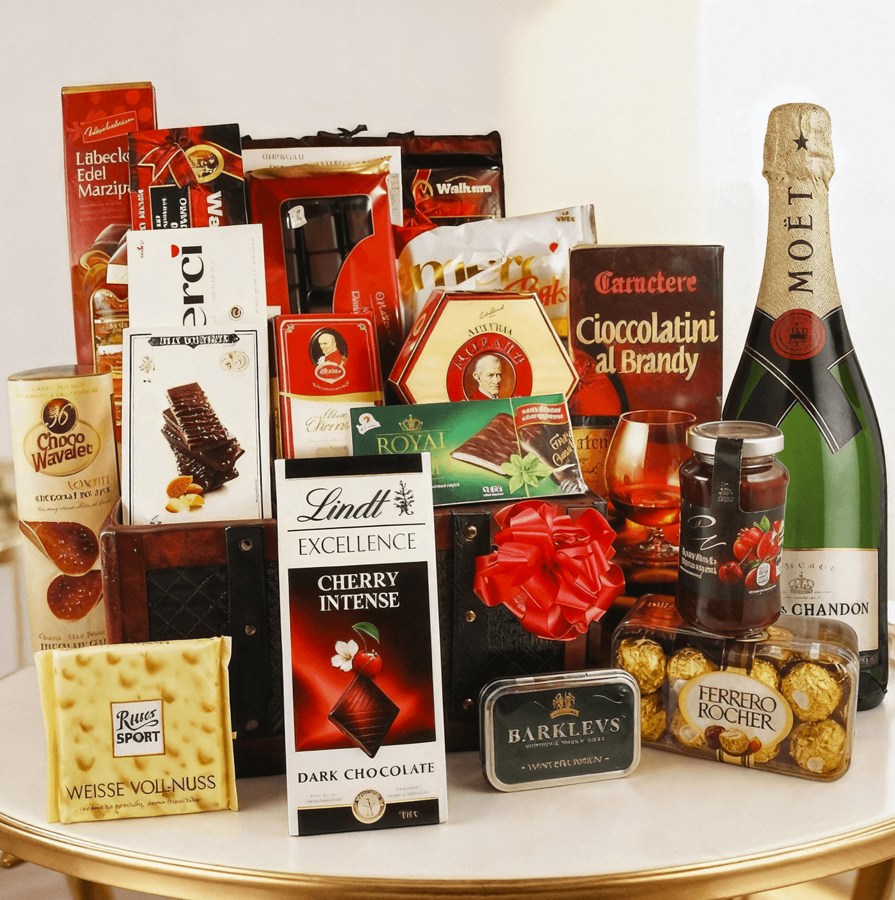
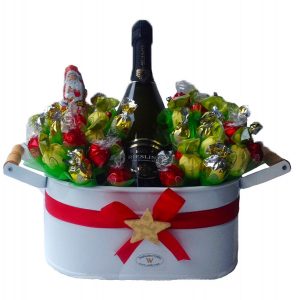
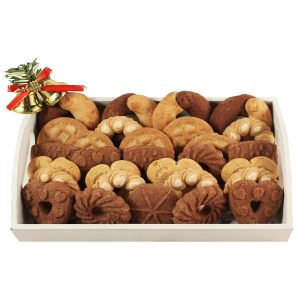
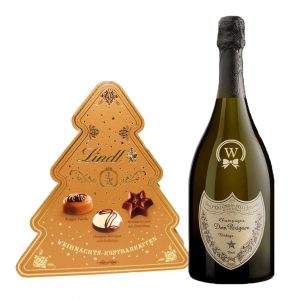
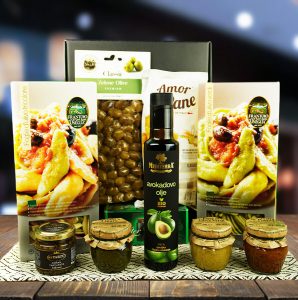
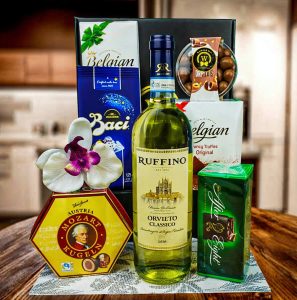
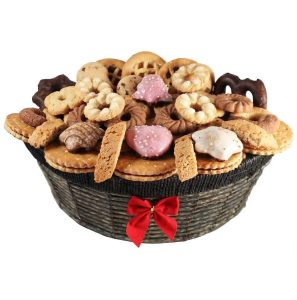
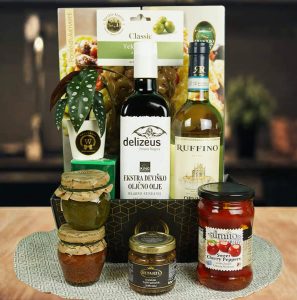
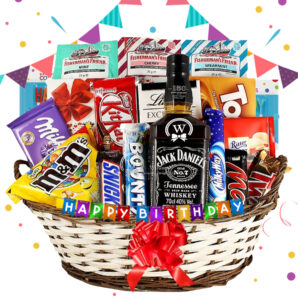
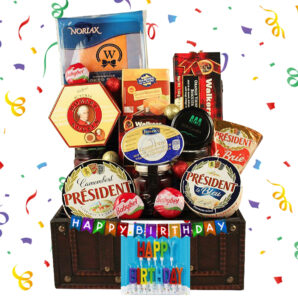
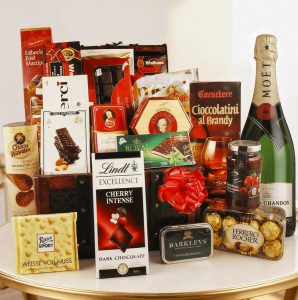
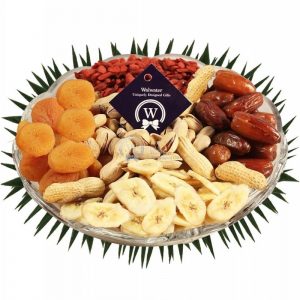
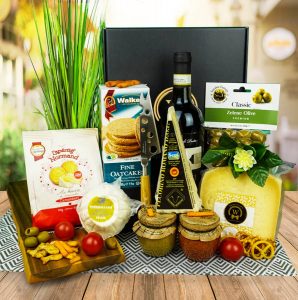
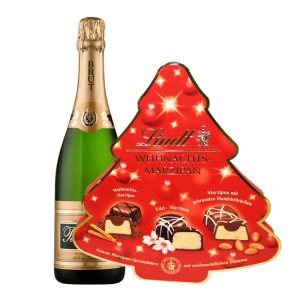
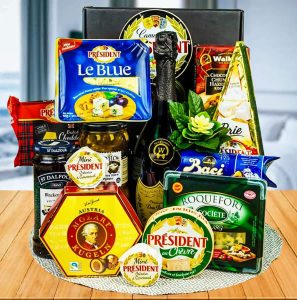
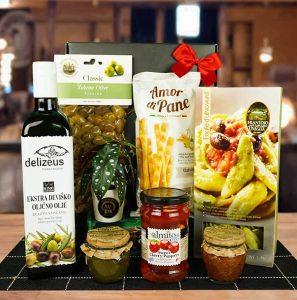
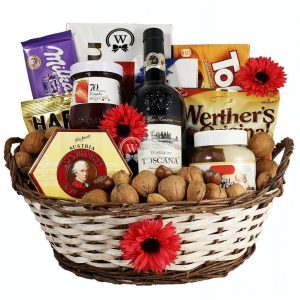
Five Gift Ideas From Walwater Gifts
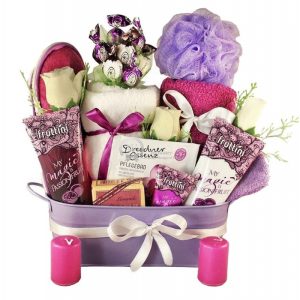
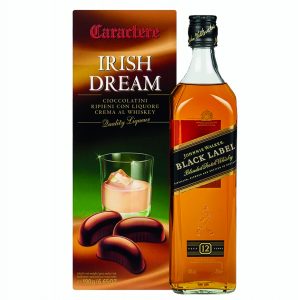
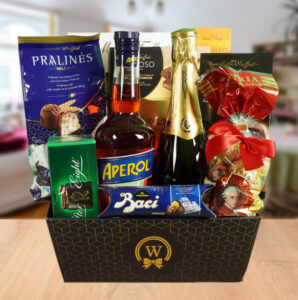
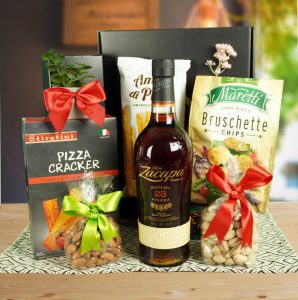
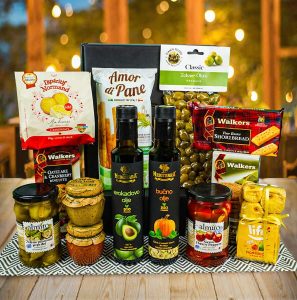
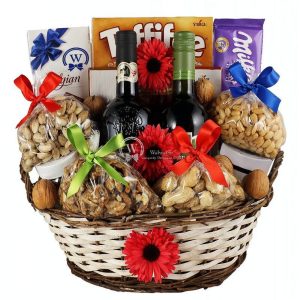
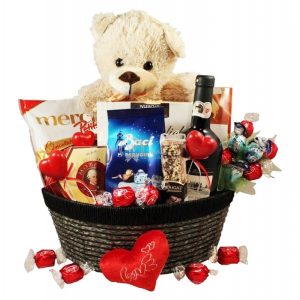
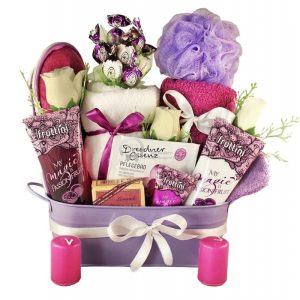
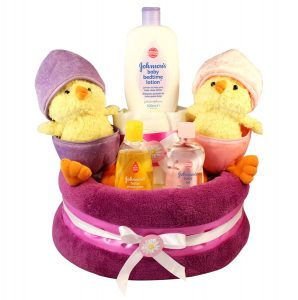
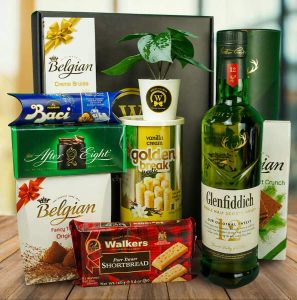
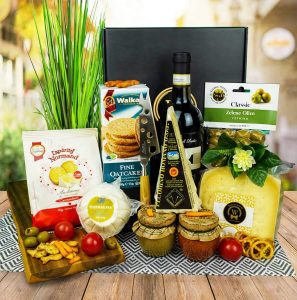
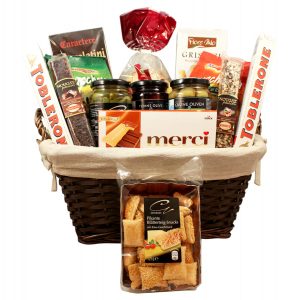
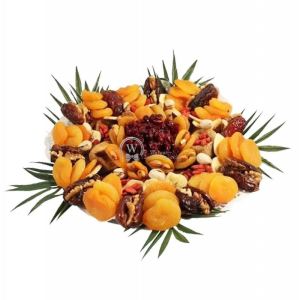
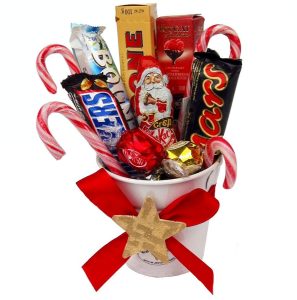
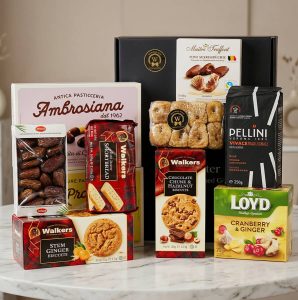
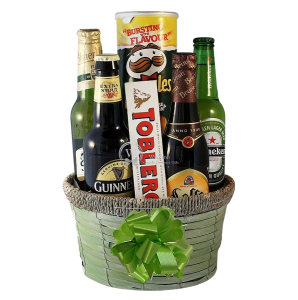
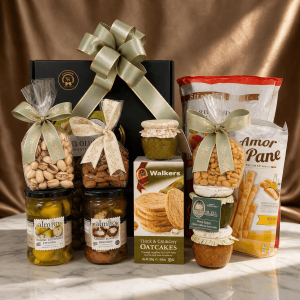
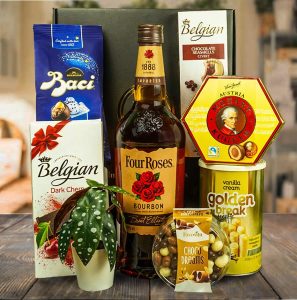
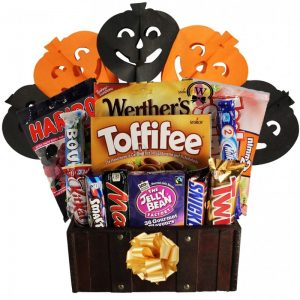
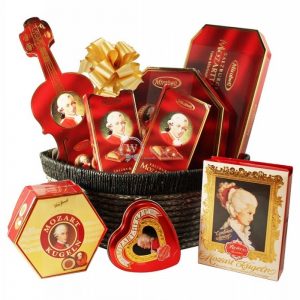
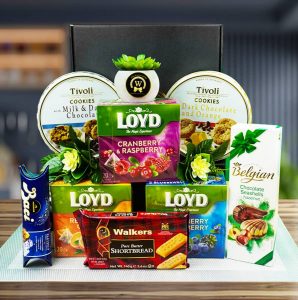
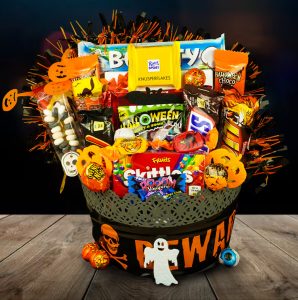
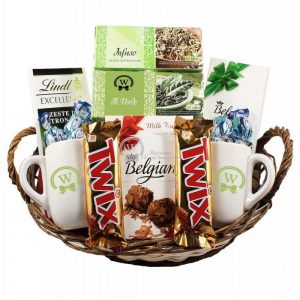
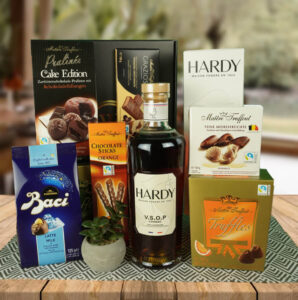
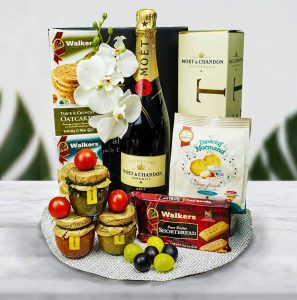
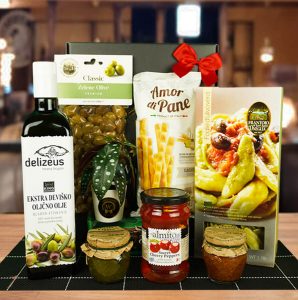
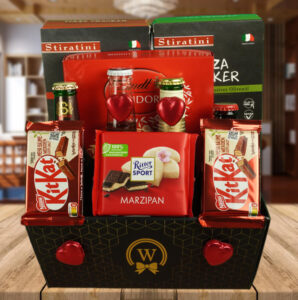
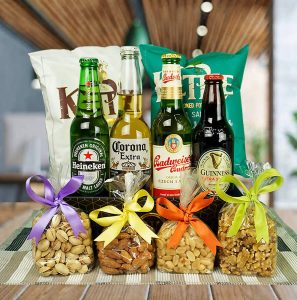
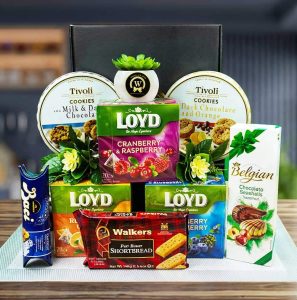
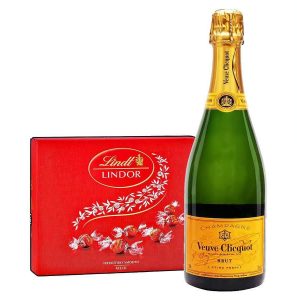
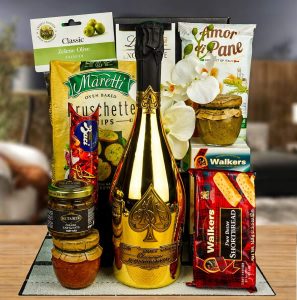
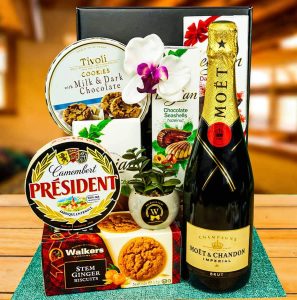
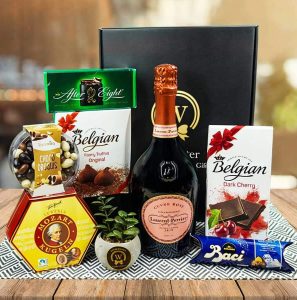
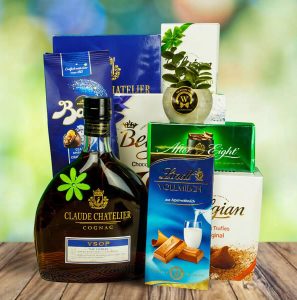
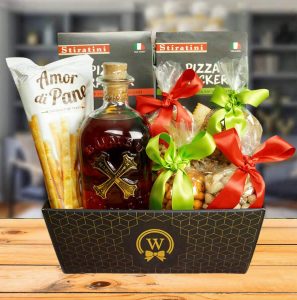
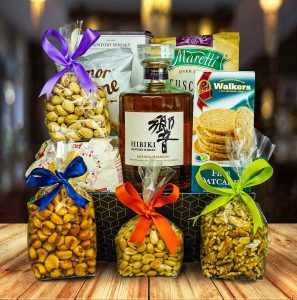
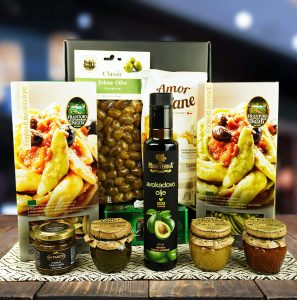
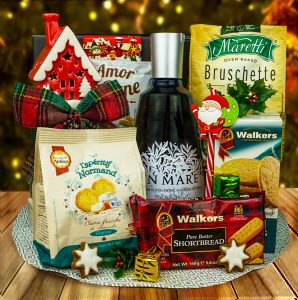
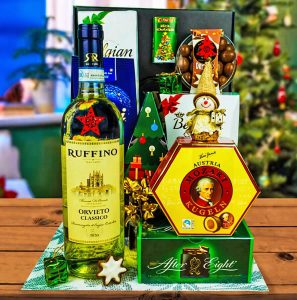
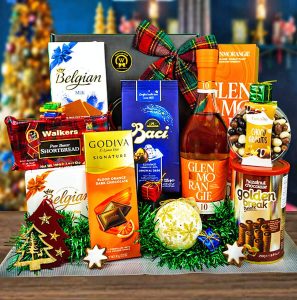
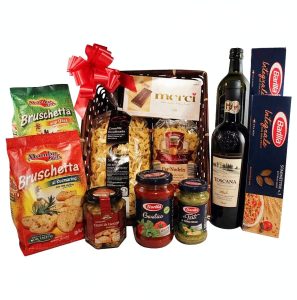
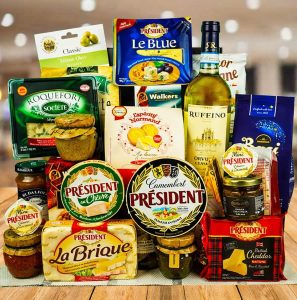
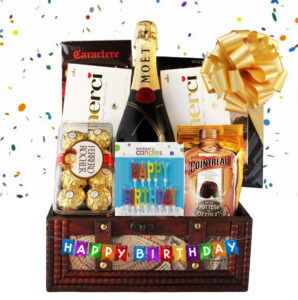
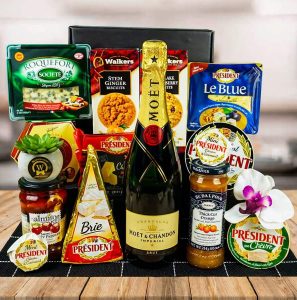
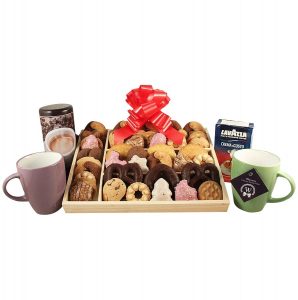
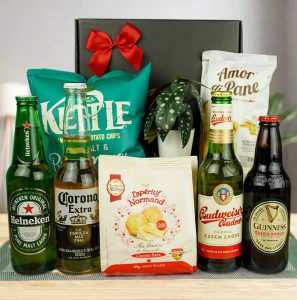
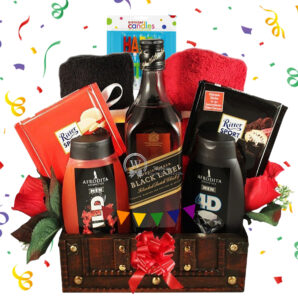
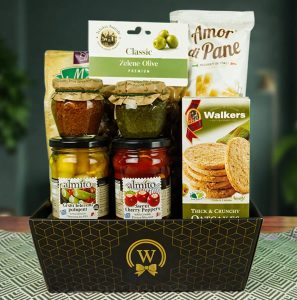
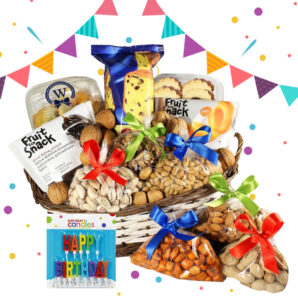
The following gifts are not presented as ritual Rosh Hashanah baskets. They are existing Walwater Gifts products that may suit the holiday depending on the recipient, dietary requirements, alcohol preferences, and destination.
What Should Businesses Send for Rosh Hashanah?
Corporate gifting requires a slightly different approach.
A business gift should be warm without becoming too personal.
Good recipients may include:
- Employees
- Remote employees
- Clients
- Business partners
- Suppliers
- Executives
- Investors
- Consultants
- Professional advisers
For a diverse workforce, do not assume that every Jewish employee celebrates the holiday in the same way.
An alcohol-free gourmet gift is often easier for larger campaigns. Wine can work for known recipients where company policy and individual preference are clear.
A suitable corporate greeting might say:
“Wishing you and your family a sweet, healthy, and peaceful New Year. Shanah Tovah from everyone at [Company Name].”
For clients:
“Shanah Tovah. Thank you for your trust and partnership. We wish you, your family, and your team a happy and sweet New Year.”
The greeting carries the holiday meaning even when the basket is not built around every symbolic food.
How to Send a Rosh Hashanah Gift Basket to Europe
1. Confirm the Recipient’s Tradition
If you know the family follows particular Ashkenazi, Sephardic, Mizrahi, or kosher customs, use that information respectfully.
2. Select the European Destination
Check that the selected gift is available for the country and postal code.
3. Choose the Gift Style
Decide between alcohol-free gourmet food, wine, Champagne, sweets, or another suitable hamper.
4. Check Dietary Requirements
Confirm kosher needs, allergies, alcohol preferences, and other important restrictions.
5. Add a Rosh Hashanah Greeting
Use a short message such as “Shanah Tovah” or “Wishing you a sweet and happy New Year.”
6. Verify the Address
Include the recipient’s full name, street, building number, postal code, city, country, and phone number.
7. Review the Delivery Window
Check current stock, working days, costs, and destination conditions before ordering.
8. Follow Tracking
Monitor the parcel after dispatch where tracking is available.
When Is Rosh Hashanah in 2026?
Rosh Hashanah 2026 begins at sundown on Friday, September 11, 2026, and continues until nightfall on Sunday, September 13, 2026.
That date has an important delivery implication.
A gift intended for the holiday should ideally arrive before Friday afternoon, rather than while Rosh Hashanah is already underway.
Do not leave the order until the final day.
A Wednesday or Thursday arrival gives the recipient more time to receive the parcel, especially if they are preparing for the holiday or will not be handling ordinary business matters after the holiday begins.
Delivery dates and costs should always be confirmed during checkout.
Common Mistakes to Avoid
Treating Every Jewish Tradition as Identical
Jewish communities have different Rosh Hashanah customs. Do not call one food list universally mandatory.
Assuming Champagne Is Traditional
Champagne is festive, but it is not one of the classic symbolic foods of Rosh Hashanah.
Sending Wine Without Checking
Religious practice, personal preference, workplace rules, and delivery restrictions can all matter.
Calling a Product Kosher Without Verification
Never infer kosher status from the ingredients or holiday theme.
Sending Fresh Foods That Will Not Travel Well
Fresh challah, apples, pomegranates, and cooked vegetables may be meaningful locally but impractical for longer routes.
Ignoring Allergies
Nuts, dairy, gluten, and other allergens may appear in gourmet baskets.
Waiting Until Rosh Hashanah Has Started
For 2026, aim for delivery before sundown on Friday, September 11.
Sending a Generic Corporate Message
A short “Shanah Tovah” greeting immediately gives the gift more context.
How Walwater Gifts Can Help
Walwater Gifts helps customers outside Europe order personal and corporate gifts for supported European destinations.
Customers in the USA, Canada, the UK, Australia, and other countries can choose from available gourmet hampers, chocolate gifts, wine gifts, Champagne gifts, alcohol-free gifts, corporate gifts, and holiday options.
Gifts are prepared and shipped within Europe for European Union destinations supported by the service.
Customers can include a message printed on a designed greeting card. Tracking is provided after dispatch where available.
Availability depends on the destination and selected gift. Delivery terms, current stock, timing, and costs should be checked before ordering.
Business buyers can also ask about employee, client, partner, and larger corporate gifting needs.
Browse available options to send Rosh Hashanah gifts across Europe with Walwater Gifts.
Final Rosh Hashanah Gift Checklist
Before placing the order, confirm:
- The gift matches the recipient’s level of observance.
- Kosher requirements have been checked when relevant.
- Alcohol is suitable, where included.
- Allergies and dietary needs have been considered.
- The symbolic meaning is described accurately.
- The recipient’s European country is supported.
- The postal code and address are correct.
- A phone number is included.
- The greeting says who sent the gift.
- Delivery is planned before Rosh Hashanah begins.
- The recipient will be available.
- Current delivery terms have been reviewed.
-
Frequently Asked Questions
What must be included in a traditional Rosh Hashanah gift basket?
There is no universal list that every Rosh Hashanah gift basket must contain. Apples and honey are the most recognizable symbols of a sweet New Year. Round challah and pomegranate are also common. Sephardic traditions may include dates, beans, leeks, beets, gourds, and other simanim.
Why are apples and honey given for Rosh Hashanah?
Apples dipped in honey express the wish for a good and sweet New Year. The custom is widely recognized and is commonly observed on the first night of Rosh Hashanah. This makes honey one of the most suitable symbolic foods for a personal or business holiday gift.
What does pomegranate mean at Rosh Hashanah?
Pomegranate is associated with abundance and the wish for plentiful merits and good deeds. Its many seeds make it a natural symbol of plenty. Not every family serves pomegranate, so it should be presented as a common tradition rather than a mandatory item.
Are dates traditional Rosh Hashanah foods?
Dates are traditional symbolic foods in Sephardic Rosh Hashanah customs. They are used as part of a seder of simanim accompanied by special wishes. Dates are also practical for gift baskets because they travel more easily than many fresh ritual foods.
Is round challah required in a Rosh Hashanah basket?
Round challah is common at Rosh Hashanah tables but does not have to be placed inside a delivered gift basket. Many families associate its round shape with the cycle of the year. Fresh challah is usually better bought locally when a hamper must travel several days.
Can wine be included in a Jewish New Year gift basket?
Wine can be appropriate for an adult recipient who drinks it, since Kiddush is part of the Rosh Hashanah meal. However, kosher requirements, workplace rules, recipient preference, and delivery restrictions should be checked first. An alcohol-free gourmet hamper is safer when these details are unknown.
Is Champagne a traditional Rosh Hashanah item?
Champagne is not a traditional symbolic Rosh Hashanah food. It can still be sent as a celebratory gift to an adult recipient who enjoys Champagne. Pair it with a Rosh Hashanah greeting so the purpose is clear, and check religious or dietary requirements before ordering.
Does a Rosh Hashanah hamper have to be kosher?
A Rosh Hashanah hamper does not automatically need to meet one universal standard because levels of observance differ. If the recipient keeps kosher, choose products that meet the certification they accept. Never describe a basket or wine as kosher unless that status has been verified.
What are simanim?
Simanim are symbolic foods eaten around Rosh Hashanah with wishes for the coming year. Sephardic customs may include dates, beans, leeks, beets, gourds, pomegranate, apple and honey, and a fish or ram head. Exact customs vary between communities and families.
What is a good Rosh Hashanah gift for clients?
A gourmet hamper, sweets, dates, honey-themed gift, or suitable wine gift can work for a business client. Choose a professional presentation and avoid assuming that the recipient drinks alcohol. Add a brief greeting such as “Shanah Tovah. Wishing you a sweet and successful New Year.”
What should companies send employees for Rosh Hashanah?
Alcohol-free gourmet baskets are practical for mixed employee groups because they avoid assumptions about alcohol. If the company knows an employee’s preferences, a more personalized gift may be suitable. Dietary requirements and kosher observance should still be checked.
Can I send Rosh Hashanah gifts to Europe from the USA?
Customers in the USA can order through Walwater Gifts for supported European destinations. Choose the country, select an available gift, provide the recipient’s address and phone number, add the printed greeting message, and check current delivery conditions before ordering.
How early should a Rosh Hashanah gift arrive in 2026?
Aim for delivery before Rosh Hashanah begins at sundown on Friday, September 11, 2026. A Wednesday or Thursday arrival gives useful extra time. Current courier timing, stock, destination, remote-area conditions, and recipient availability should always be checked.
Can Rosh Hashanah gifts be sent to employees in several European countries?
Corporate gifts can be arranged for supported European destinations, but every country and postal code should be checked separately. The same product may not have identical availability everywhere. For a larger campaign, prepare the recipient list early and consider an alcohol-free alternative.
What message should I add to a Rosh Hashanah gift basket?
A short message is usually enough: “Shanah Tovah. Wishing you and your family a sweet, healthy, peaceful, and happy New Year.” For clients, add a line thanking them for their trust or partnership. Keep the greeting warm and avoid turning the holiday message into a sales pitch.
Final Call to Action
A Traditional Rosh Hashanah Gift Basket does not need to contain every symbolic food to feel thoughtful. Start with the meaning of the holiday, consider the recipient’s customs, and choose a gift that expresses sweetness, abundance, celebration, and goodwill.
To send a personal or corporate Rosh Hashanah gift to a supported European destination, browse the current selection at Walwater Gifts, choose the recipient’s country, add your printed New Year greeting, and review the current delivery details before ordering.