Gift-giving etiquette in Belgium depends more on language, occasion, and relationship than broad regional stereotypes. Use Dutch for recipients in Flanders, French for most recipients in Wallonia, and consider Dutch and French in Brussels when appropriate. Keep business gifts modest, choose thoughtful personal gifts, and avoid chrysanthemums for cheerful occasions because of their strong association with remembrance.
Belgium is a small country with strong regional and language identities. That can make sending a gift from the USA, UK, Canada, or Australia feel more complicated than expected.
Should your card be in Dutch or French? Is Champagne appropriate? Are flowers safe? Should a client gift look formal? This guide explains the practical customs that matter most when sending personal or business gifts to Belgium.
Key Takeaways
- Customers abroad can send gifts to supported Belgian destinations through Walwater Gifts.
- Flanders is primarily Dutch-speaking, while most of Wallonia is French-speaking.
- Brussels is officially bilingual in Dutch and French.
- A short greeting in the recipient’s language can make a gift feel more thoughtful.
- Business gifts should usually be modest and appropriate to the relationship.
- Chrysanthemums are strongly connected with remembrance and graves in Belgium.
- Chocolates, gourmet foods, wine, Champagne, and other tasteful gifts can work when they match the recipient.
Why Does Regional Etiquette Matter in Belgium?
Belgium has three official languages: Dutch, French, and German.
It also has three regions:
The Flemish Community is Dutch-speaking. The French Community is French-speaking. Belgium also has a German-speaking Community in the east. This matters because language is closely tied to local identity.
A gift card written in the appropriate language can show that the sender paid attention. However, regional identity should not be turned into a personality test. Not every Flemish recipient has the same tastes. Not every Walloon recipient has the same social habits. Start with the individual.
What Language Should You Use on a Gift Card in Flanders?
Dutch is the safest local-language choice for most recipients in Flanders.
This includes cities such as:
- Antwerp
- Ghent
- Bruges
- Leuven
- Hasselt
- Mechelen
A simple message does not need perfect Dutch.
For a birthday:
Gelukkige verjaardag!
For congratulations:
Van harte gefeliciteerd!
For thanks:
Hartelijk dank!
You can also write the rest of the message in English if that is the language you normally use with the recipient.
A short Dutch opening followed by your natural personal message can work well.
What Language Should You Use in Wallonia?
French is appropriate for most recipients in Wallonia.
This includes cities such as:
- Liège
- Namur
- Charleroi
- Mons
- Tournai
Useful short phrases include:
Joyeux anniversaire ! for Happy Birthday.
Félicitations ! for Congratulations.
Merci beaucoup ! for Thank you very much.
Do not assume every Walloon recipient expects French if you already communicate in English.
The existing relationship matters more than showing off a language you do not use together.
What About Belgium’s German-Speaking Community?
Belgium also has an official German-speaking Community in the east. This is easy for international gift senders to overlook. If your recipient lives in the German-speaking part of Belgium, German may be the most appropriate language for the greeting.
Do not reduce Belgium to only “Flemish versus Walloon.” The country’s official language structure includes Dutch, French, and German. When you are unsure, ask the sender contact, employer, family member, or recipient which language is preferred.
What Language Should a Gift Card Use in Brussels?
Brussels-Capital Region is officially bilingual in Dutch and French. For a personal gift, use the language you already use with the recipient. If the recipient is Dutch-speaking, use Dutch.
If the recipient is French-speaking, use French. For a business gift where the recipient’s preference is unknown, a bilingual greeting can be thoughtful.
For example:
Beste wensen / Meilleurs vœux
or:
Hartelijk dank / Merci beaucoup
English can also be suitable in many international business relationships in Brussels.
The key is not to guess unnecessarily.
Should Every Belgian Gift Card Be Bilingual?
No. A bilingual card makes sense in some Brussels and business settings, but it is not required for every Belgian recipient. A personal gift to a friend in Ghent does not need French just because Belgium has French speakers.
Likewise, a family gift to Liège does not need Dutch unless there is a reason. Use the recipient’s language where you know it. If you do not know it, English can be a neutral choice in an international relationship.
Are Flemish and Walloon Gift Customs Very Different?
The differences should not be exaggerated. Language and local identity are real. Gift preferences remain personal.
Both Flemish and Walloon recipients may appreciate:
- Chocolates
- Gourmet foods
- Wine
- Champagne
- Beer
- Coffee
- Tea
- Thank-you gifts
- Birthday gifts
- Holiday gifts
The occasion and relationship usually matter more than the regional label. A close friend in Antwerp may enjoy Champagne. A client in Namur may prefer an alcohol-free gourmet basket. A family in Brussels may prefer a large food hamper they can share.
What Makes a Gift Appropriate in Belgium?
A good Belgian gift usually feels considered rather than excessive.
Think about:
- The relationship
- The occasion
- Recipient tastes
- Alcohol preferences
- Dietary needs
- Business rules where relevant
- Language for the greeting
A gift does not need to be expensive to feel appropriate. In business, a very costly gift can actually create discomfort or compliance concerns. In personal gifting, the thought behind the gift often matters more.
Are Chocolates a Good Gift in Belgium?
Chocolate is strongly linked to Belgian food culture. Visit Flanders notes Belgium’s long chocolate tradition, while Visit Brussels describes a ballotin of pralines as a classic Brussels gift. Belgian pralines were also created in Brussels.
That does not mean you must send Belgian chocolate to a Belgian recipient. Chocolate still works because it is familiar, shareable, and suitable for many occasions.
It can be a good choice for:
- Birthdays
- Thank-you gifts
- Congratulations
- Employee recognition
- Client appreciation
- Housewarmings
- Christmas
Check allergies before sending large mixed confectionery gifts.
Is Belgian Beer a Good Gift?
Beer can work when you know the recipient drinks it. Belgian beer culture has deep local roots and was added to UNESCO’s Representative List of Intangible Cultural Heritage in 2016.
That makes beer culturally familiar, but familiarity does not mean every Belgian drinks beer. Do not choose alcohol only because Belgium is famous for it.
A recipient who prefers wine, Champagne, coffee, chocolate, or alcohol-free gifts should receive something closer to their taste.
What Local Delicacies Make Good Inspiration?
Belgium has a strong food culture.
Common gift inspiration can include:
- Chocolate and pralines
- Biscuits
- Speculoos-style treats
- Beer
- Gourmet foods
- Confectionery
- Coffee
- Wine and food pairings
Visit Brussels highlights pralines, speculoos, Pain à la Grecque, and local beers as popular local products. However, an international gift does not need to copy Belgian food traditions exactly. The aim is to choose something your recipient will enjoy.
Should You Bring a Gift When Invited to a Belgian Home?
A small host gift is generally appropriate. Chocolate, flowers, or another thoughtful food gift can work. Avoid arriving with something extravagant that makes the host feel obliged to respond. The gift should feel like thanks for the invitation.
For a dinner host, a food gift can often be easier than something very personal. If you know the host drinks alcohol, wine can be appropriate in many social settings. If you do not know, chocolate or another gourmet gift is safer.
Which Flowers Should You Avoid in Belgium?
Chrysanthemums need special care. In Belgium, chrysanthemums are strongly associated with graves and remembrance, especially around All Saints’ Day.
Belgian remembrance customs often involve placing chrysanthemums on the graves of deceased relatives.
Because of that association, chrysanthemums are not a good default choice for:
- Birthdays
- Congratulations
- Romance
- New jobs
- Housewarmings
- Employee appreciation
There is nothing inherently wrong with the flower. The issue is its cultural association. For a cheerful occasion, choose another flower unless you know the recipient specifically loves chrysanthemums.
Are White Chrysanthemums Especially Sensitive?
White chrysanthemums are often mentioned in European etiquette guides as funeral-associated flowers. In Belgium, the broader chrysanthemum itself has a strong cemetery connection. For international senders, the simplest rule is:
Avoid chrysanthemums for cheerful personal or business gifts.
This prevents an unnecessary cultural misunderstanding. For sympathy or remembrance, the context is completely different.
Are Flowers Better Than a Gift Basket?
That depends on the occasion.
Flowers work well for:
- Host gifts
- Birthdays
- Congratulations
- Romance
- New homes
Gift baskets may be more practical for:
- Families
- Couples
- Employees
- Clients
- Business partners
- Long-distance celebrations
Food and drink can also be shared. For a cross-border sender, a gift basket can be easier because the sender does not need to interpret flower symbolism.
Are Gifts Opened Immediately in Belgium?
Several long-standing Belgian etiquette guides note that gifts are often opened when received. That can differ from cultures where gifts are set aside until later. If you hand someone a gift in person, do not be surprised if they open it immediately.
For courier delivery, the point matters less because the sender is not standing there. Still, presentation matters. A well-presented basket and a clear greeting card become part of the first impression.
What About Thank-You Etiquette?
A prompt thank-you is always appropriate. Traditional etiquette sources sometimes recommend a written thank-you after being hosted in someone’s home. Today, the exact form depends on the relationship.
A message, phone call, email, or note can all work. For business gifts, the recipient may acknowledge the gift by email. For personal hospitality, a warmer thank-you message can feel more natural. Do not expect every Belgian recipient to follow one fixed thank-you ritual.
What Is Appropriate Business Gift Etiquette in Belgium?
Business gifts should be handled with more restraint than personal gifts. Belgian Foreign Affairs anti-corruption guidance notes that gifts can be legitimate expressions of gratitude or relationship-building, but they can also create compliance concerns.
The safest business approach is:
- Keep gifts modest.
- Give them occasionally.
- Avoid cash.
- Avoid anything that may influence a decision.
- Check the recipient company’s policy.
- Avoid very personal gifts.
- Keep the timing appropriate.
A year-end thank-you can feel normal. A costly gift given just before a tender decision may create problems.
Should Business Gifts Carry a Large Company Logo?
Usually, subtle branding is safer. Some etiquette sources advise against highly promotional gifts in personal business relationships. A gift should feel like appreciation rather than advertising.
A small logo on a greeting card, ribbon, or company message may be suitable when the recipient organization allows it. For larger corporate programs, branding can make sense because the context is clearly organizational. The right level depends on the recipient and event.
Are Gifts Appropriate at a First Business Meeting?
Usually, they are not necessary. Belgian business etiquette sources generally describe gift-giving as something that happens after a relationship exists, during holidays, after a successful project, or for another clear occasion. At a first meeting, professionalism matters more than presenting a gift.
Suitable later occasions include:
- Project completion
- Client appreciation
- Christmas
- New Year
- Retirement
- Promotion
- Company anniversary
- Thank-you after hospitality
Should Corporate Gifts Be Different in Flanders and Wallonia?
The main practical difference is often language. For employees or clients in Flanders, Dutch is the natural language for local communication. For most recipients in Wallonia, French is natural.
For a national Belgian campaign, a company may use separate Dutch and French cards. Brussels campaigns may use both languages. Do not create different gifts based only on assumptions about Flemish or Walloon tastes. Use recipient data when available.
Flemish vs. Walloon Gifting at a Glance
Situation | Flanders | Wallonia | Practical Advice |
Greeting language | Dutch | Mainly French | Match recipient |
Brussels recipient | Dutch or French | Dutch or French | Ask if unsure |
Personal gift | Taste-based | Taste-based | Avoid stereotypes |
Business gift | Modest | Modest | Check company policy |
Flowers | Avoid chrysanthemums | Avoid chrysanthemums | Choose cheerful alternatives |
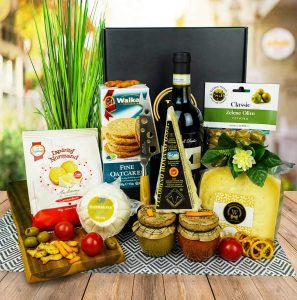
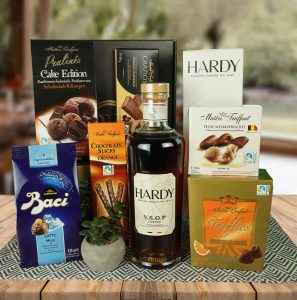
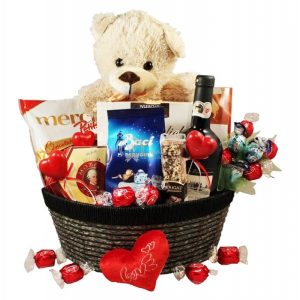
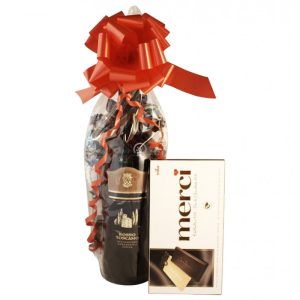
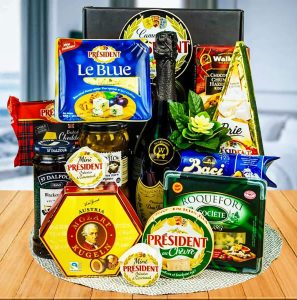
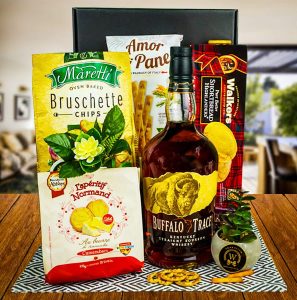
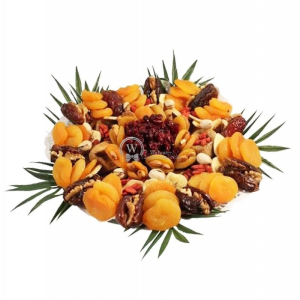
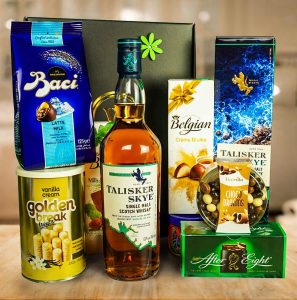
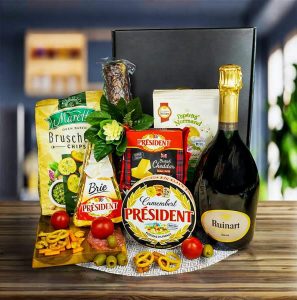
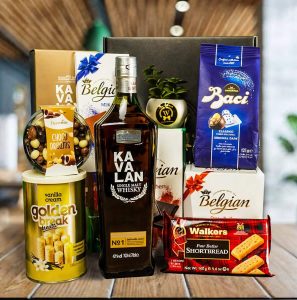
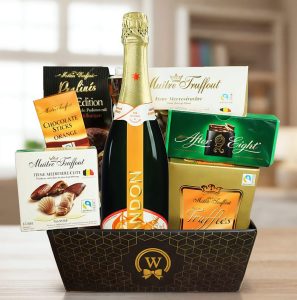
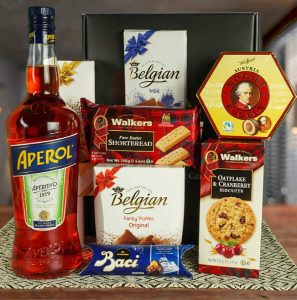
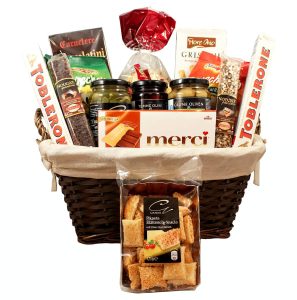
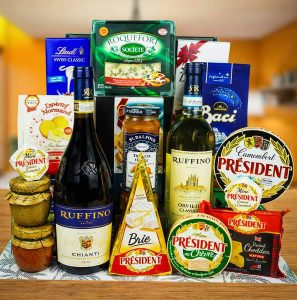
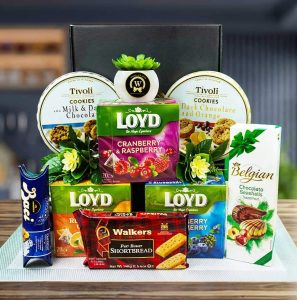
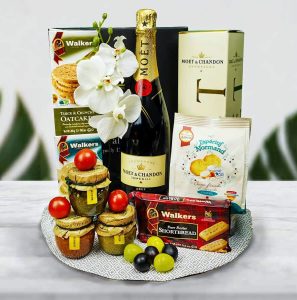
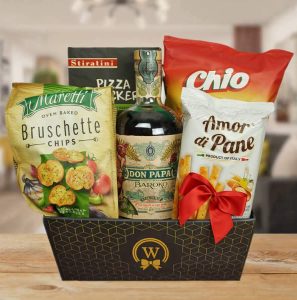
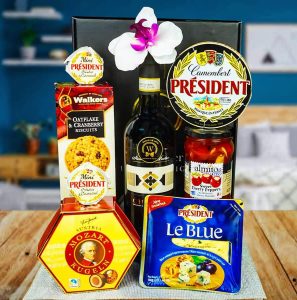
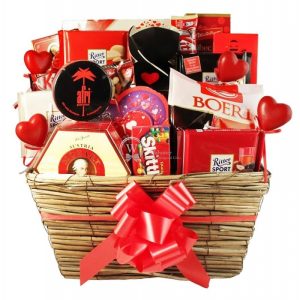
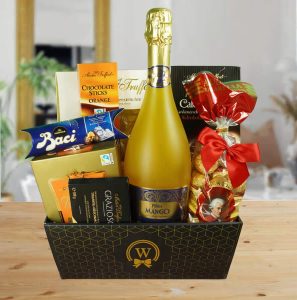
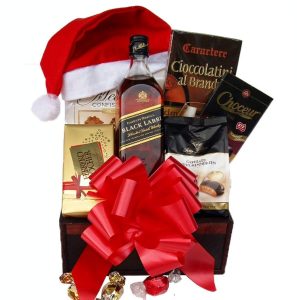
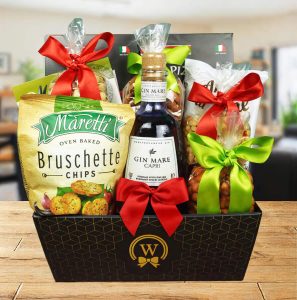
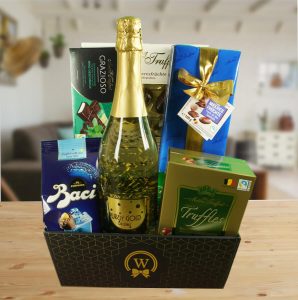
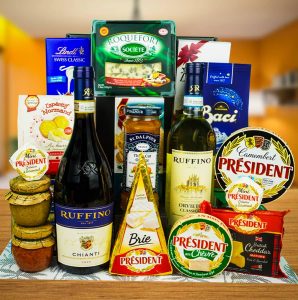
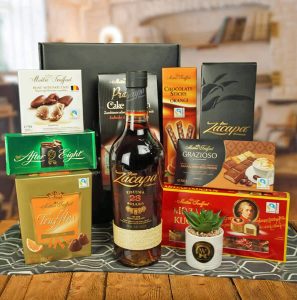
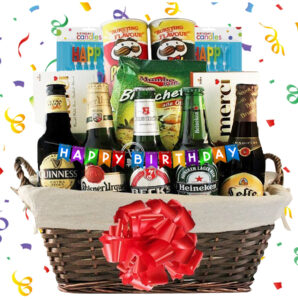
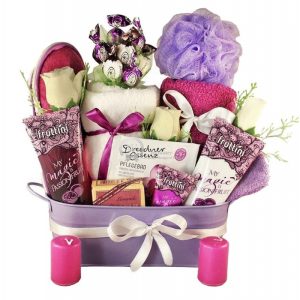
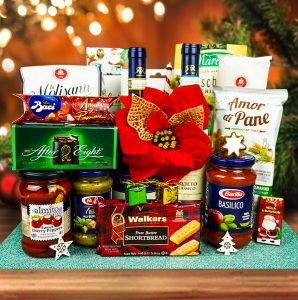
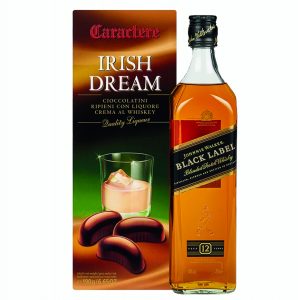
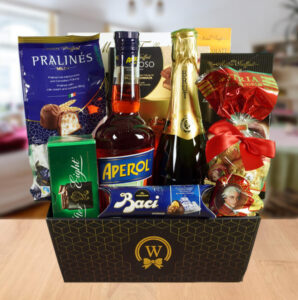
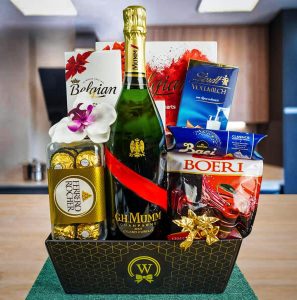
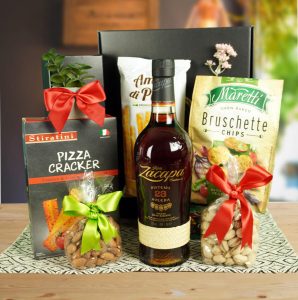
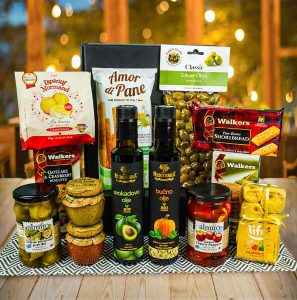
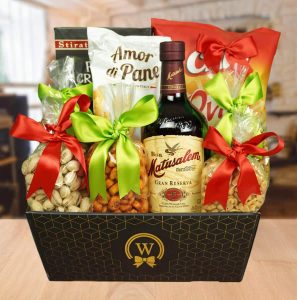
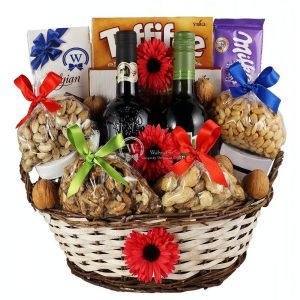
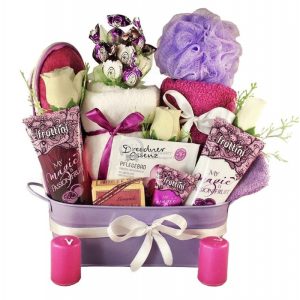
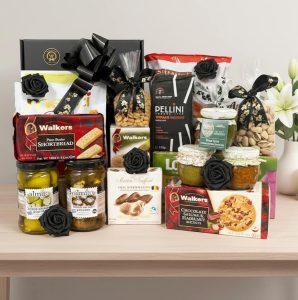
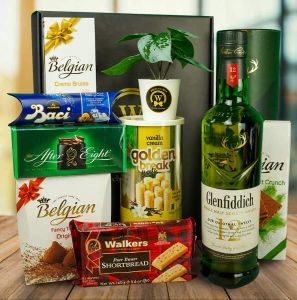
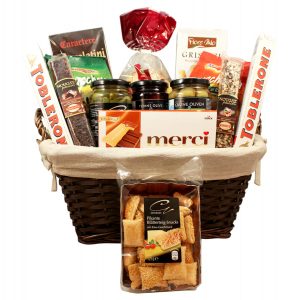
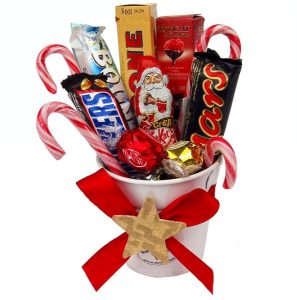
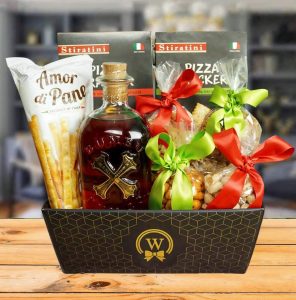
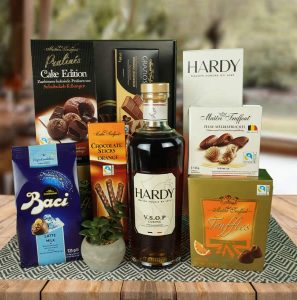
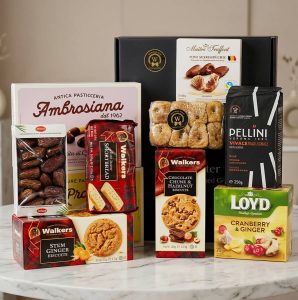
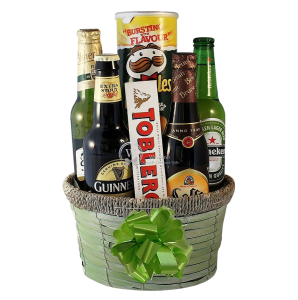
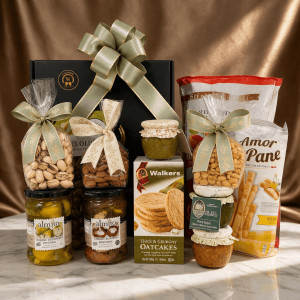
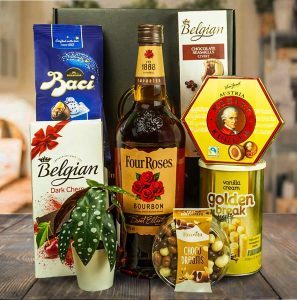
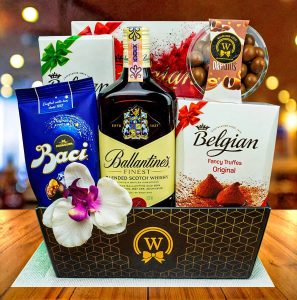
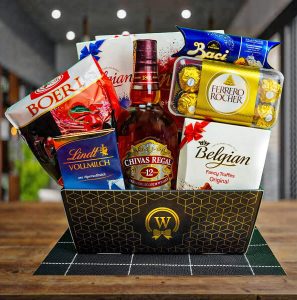
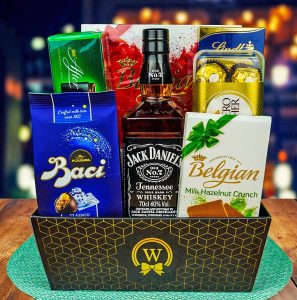
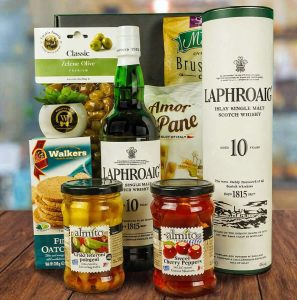
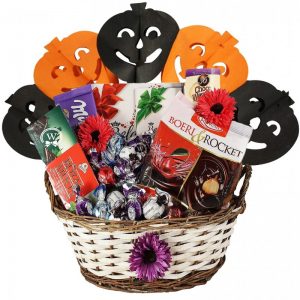
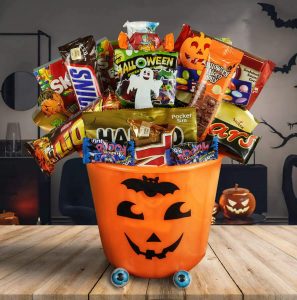
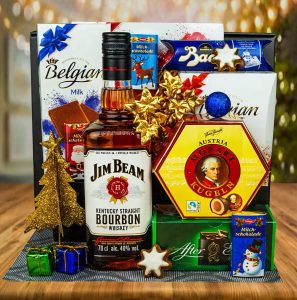
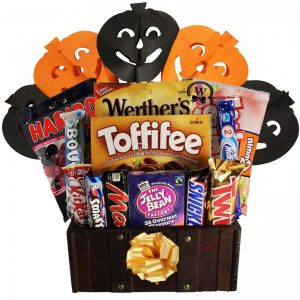
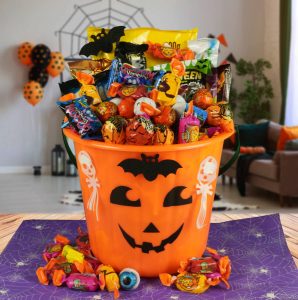
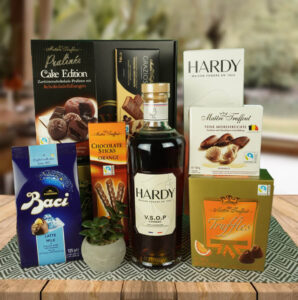
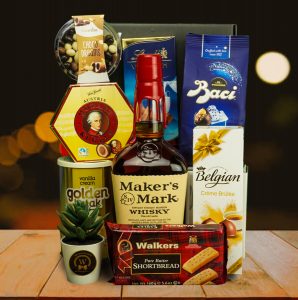
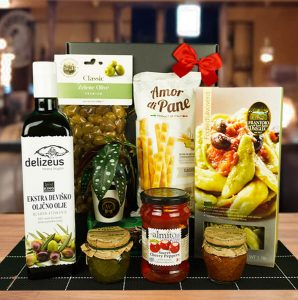
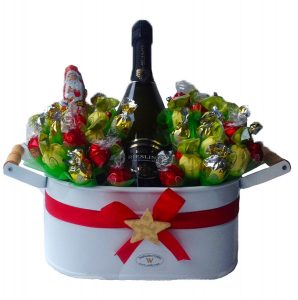
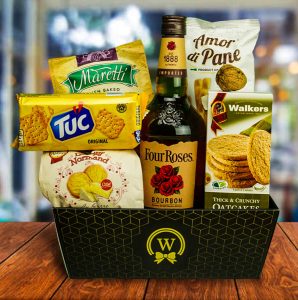
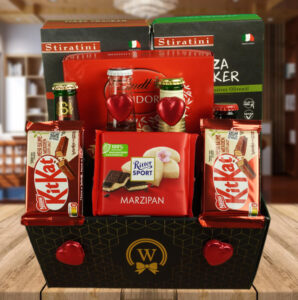
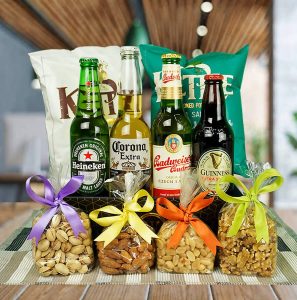
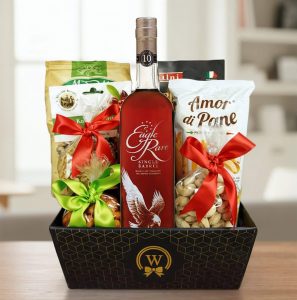
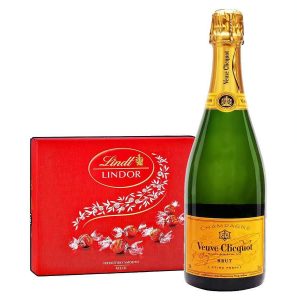
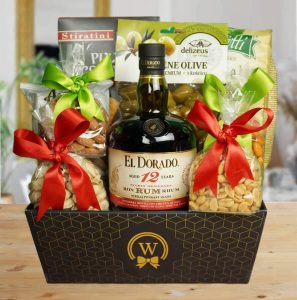
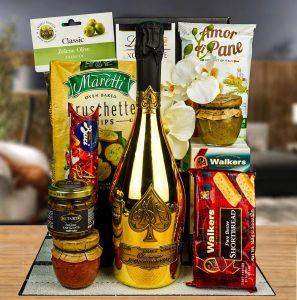
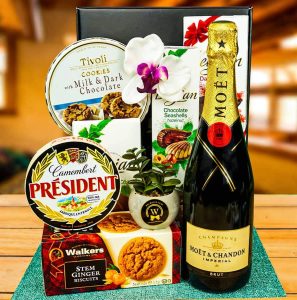
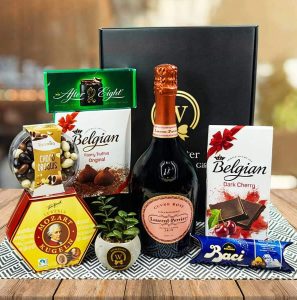
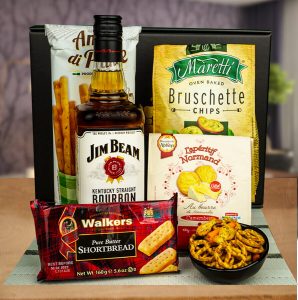
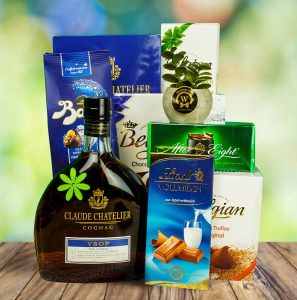
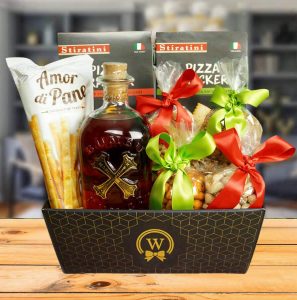
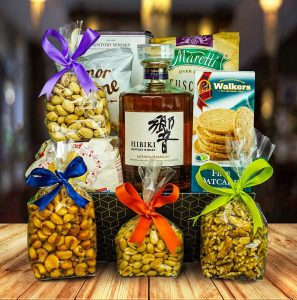
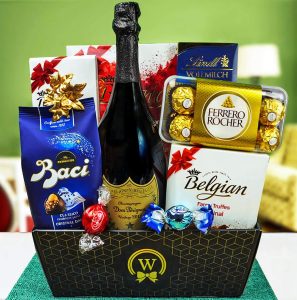
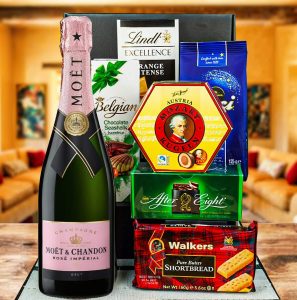
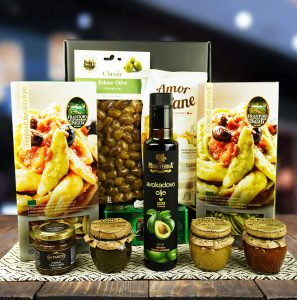
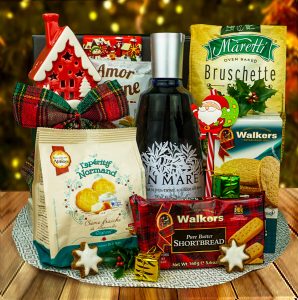
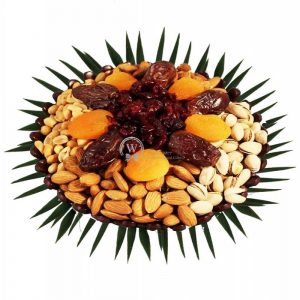
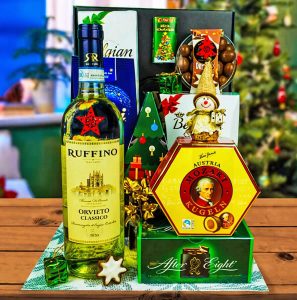
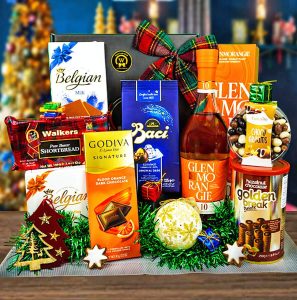
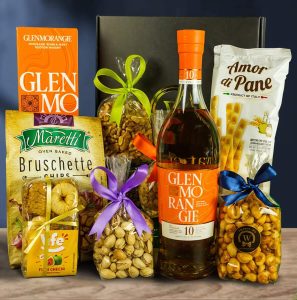
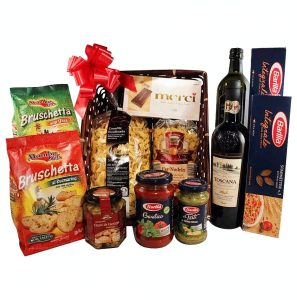
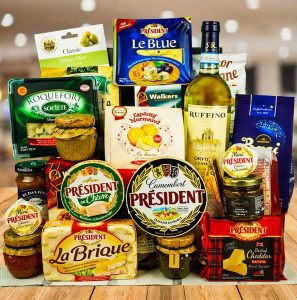
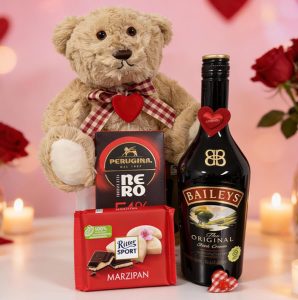
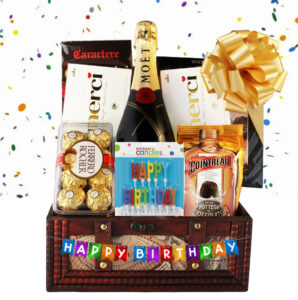
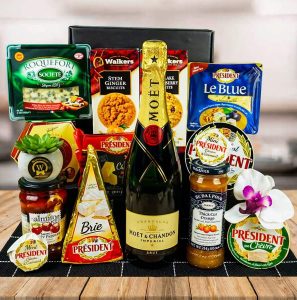
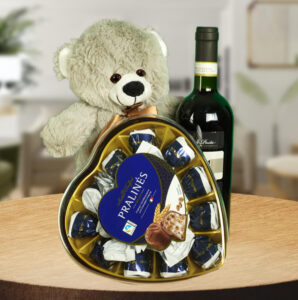
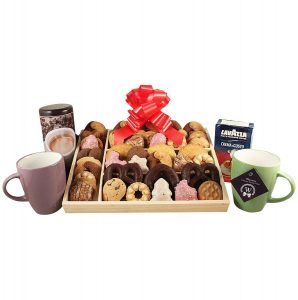
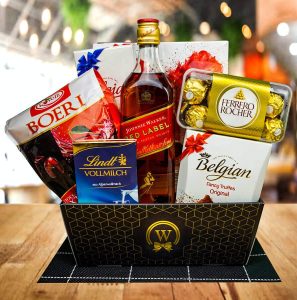
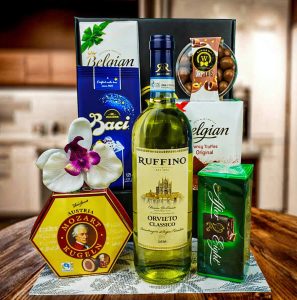
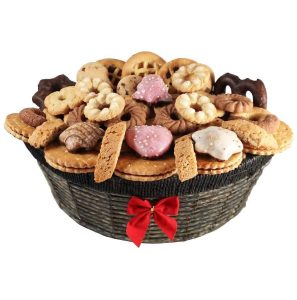
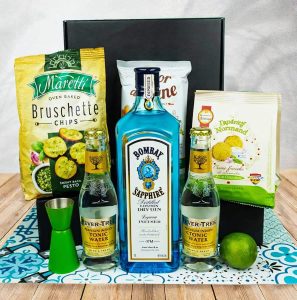
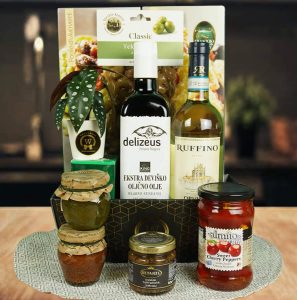
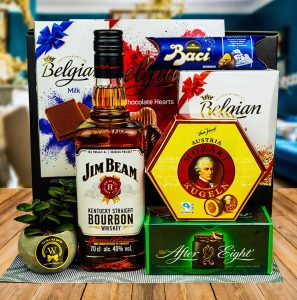
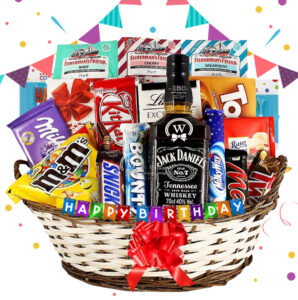
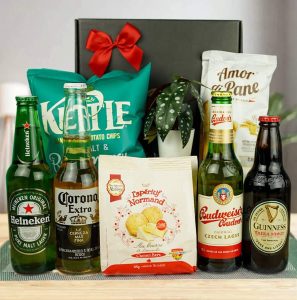
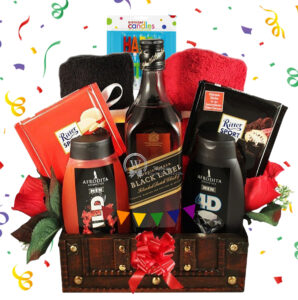
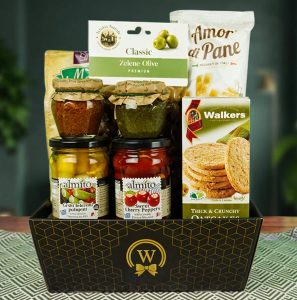
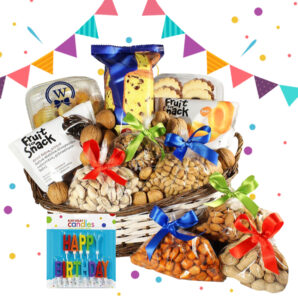
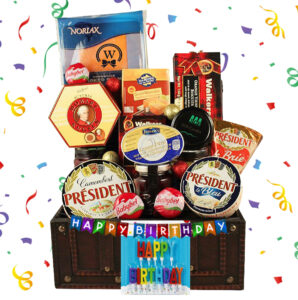
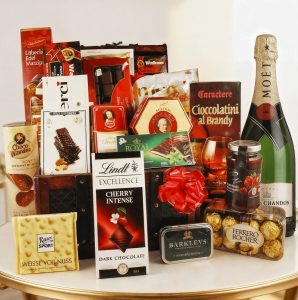
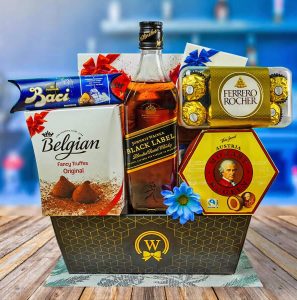
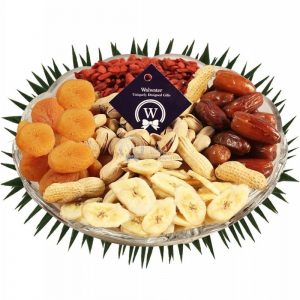
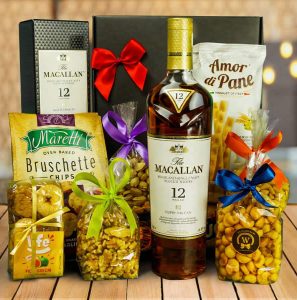
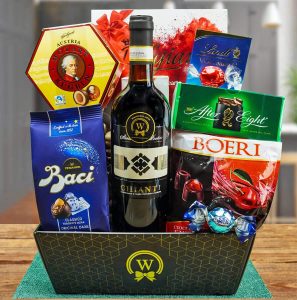
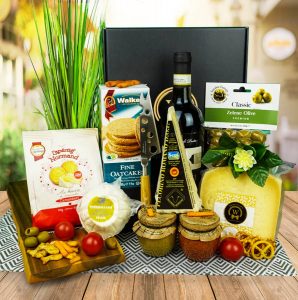
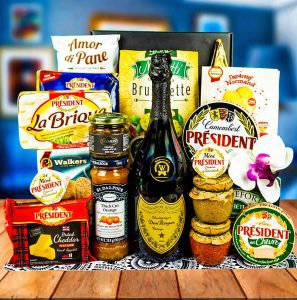
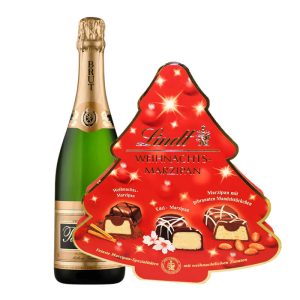
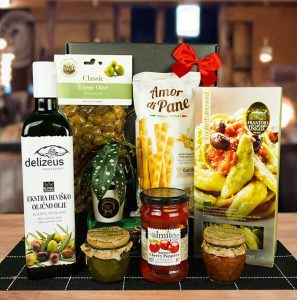
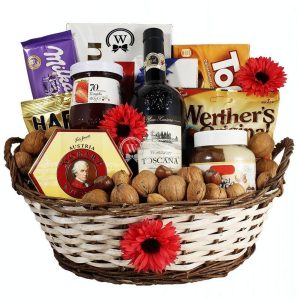
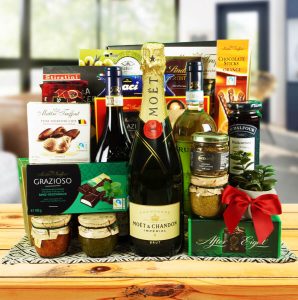
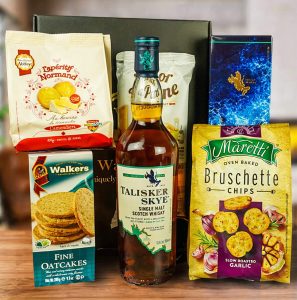
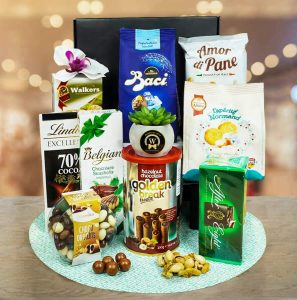
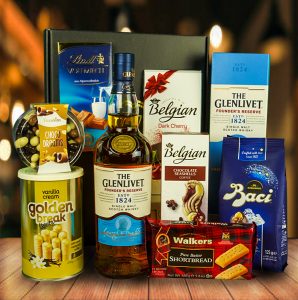
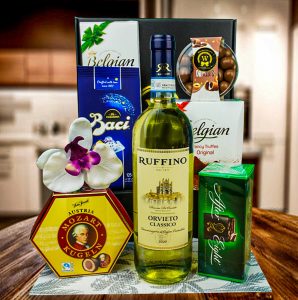
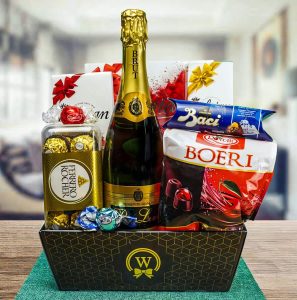
Six Gift Ideas for Belgium
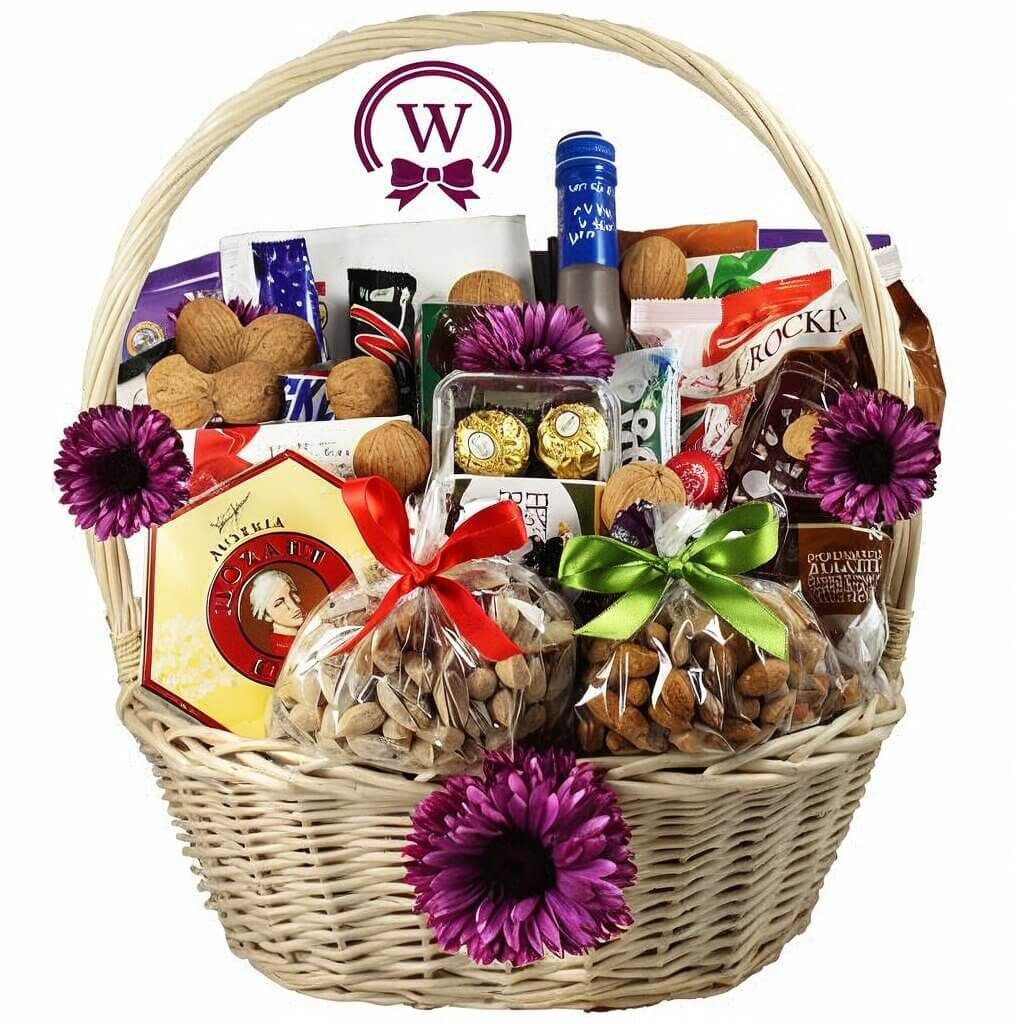
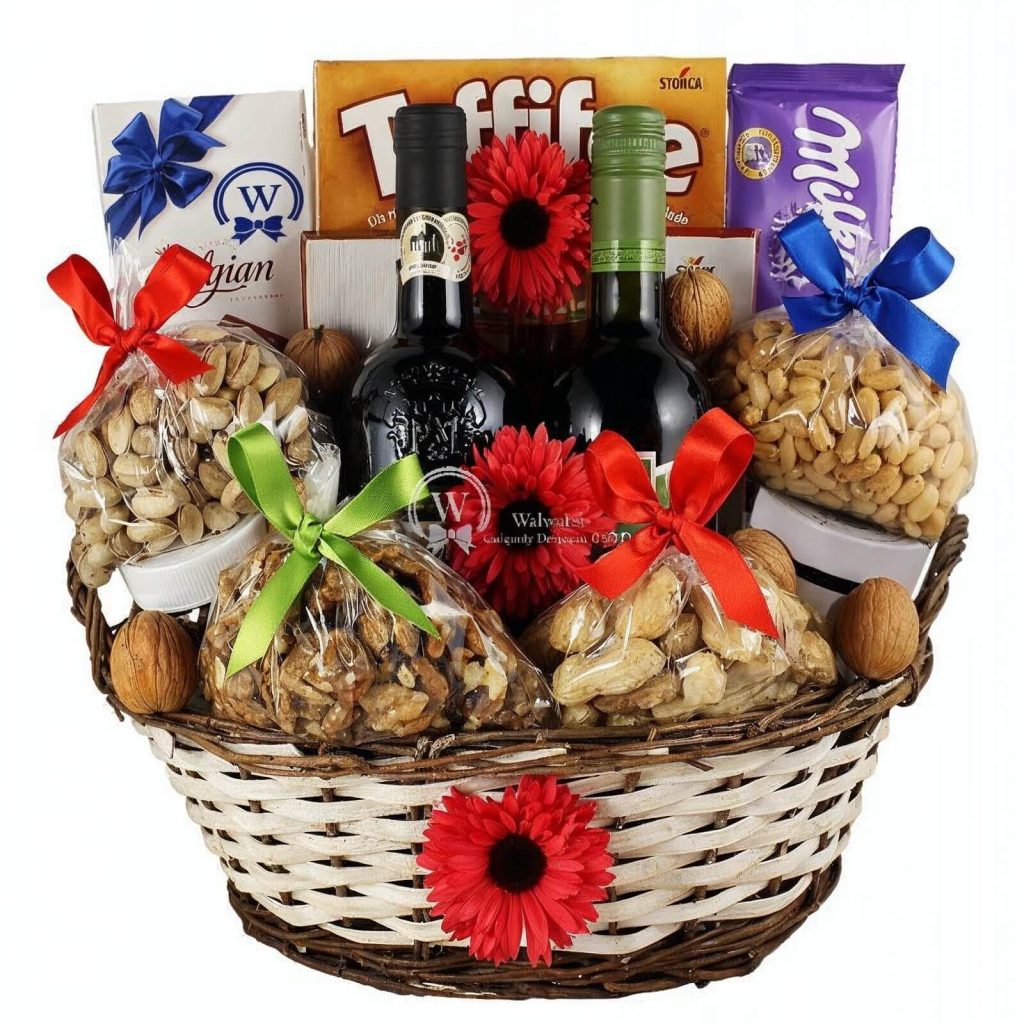
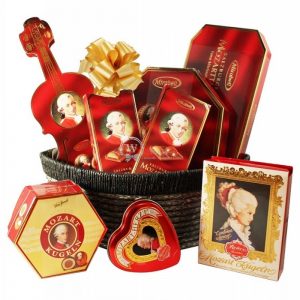
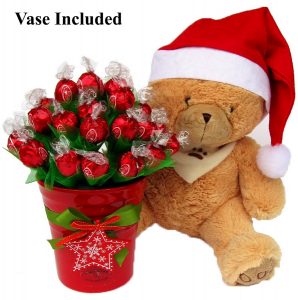
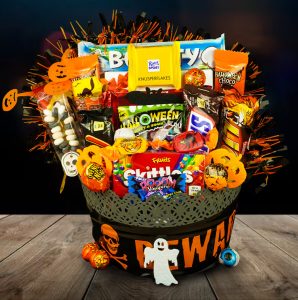
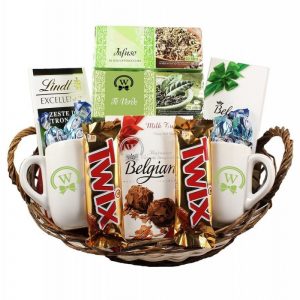
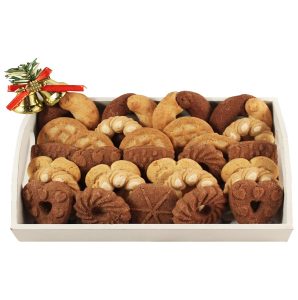
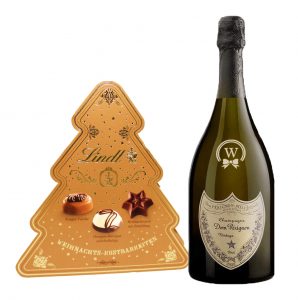
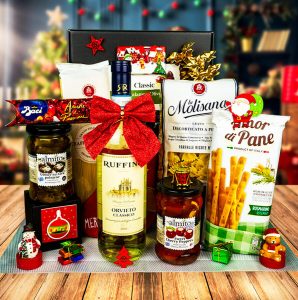
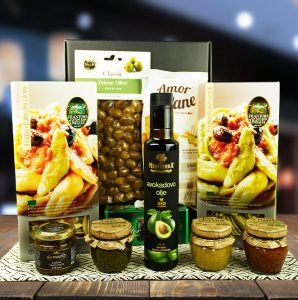
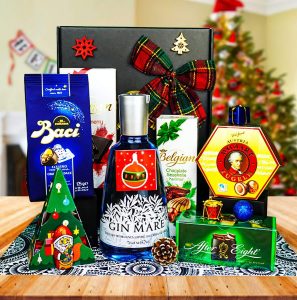
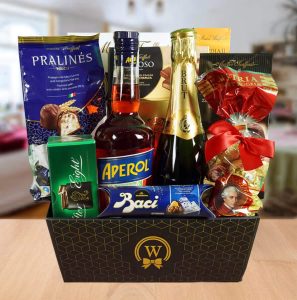
The following products can suit different Belgian gifting situations.
Descriptions are intentionally broad. Exact contents, current stock, and destination availability should be checked before ordering.
How Do You Choose the Right Gift for a Belgian Recipient?
Start with what you know about the person.
Use this order:
- Identify the region and language. Know whether the recipient is in Flanders, Wallonia, Brussels, or the German-speaking area.
- Choose the occasion. Birthday, thank-you, Christmas, business recognition, and sympathy call for different tones.
- Consider the relationship. A client gift should usually be less personal than a gift for a sibling.
- Check alcohol suitability. Do not assume wine, beer, or Champagne is always appropriate.
- Review dietary needs. Chocolate and gourmet hampers may contain common allergens.
- Write the greeting in the right language. Keep it simple if you are not fluent.
- Check delivery details. Confirm current stock, destination, address, and service before paying.
What Should You Write on a Flemish Gift Card?
Keep it simple.
For a birthday:
Gelukkige verjaardag! We wensen je een prachtige dag.
For congratulations:
Van harte gefeliciteerd met je mooie prestatie!
For thanks:
Hartelijk dank voor alles. We waarderen het enorm.
If your relationship is normally in English, a short Dutch opening followed by English can feel natural.
Do not use machine-translated long messages unless someone can check them.
What Should You Write on a Walloon Gift Card?
Short French messages work well.
For a birthday:
Joyeux anniversaire ! Nous vous souhaitons une très belle journée.
For congratulations:
Toutes nos félicitations pour cette belle réussite !
For thanks:
Merci beaucoup. Nous apprécions vraiment votre aide.
A short correct message is better than a long awkward translation.
What Should a Brussels Business Card Say?
If the company works nationally or the recipient’s language is unknown, a short bilingual message can be suitable.
For example:
Hartelijk dank / Merci beaucoup
or:
Beste wensen / Meilleurs vœux
For an international company relationship conducted entirely in English, English may be more natural.
Do not force bilingual text into every Brussels gift.
Use it when it helps.
Can You Send Alcohol as a Business Gift?
You can consider alcohol when the recipient is an eligible adult, and you know it is suitable. However, alcohol should not be an automatic corporate choice.
Use extra care when sending to:
- Government bodies
- Regulated industries
- Large corporations with gift policies
- Employees whose preferences are unknown
- International teams with mixed cultural backgrounds
A chocolate or gourmet hamper can be easier when you are unsure. Adult signature rules may apply to gifts containing alcohol.
Can Customers in the USA Send Gifts to Belgium?
Customers in the United States can order gifts for supported Belgian addresses through Walwater Gifts. The customer does not need to prepare and export the gift personally.
Customers can choose a suitable product, enter the Belgian delivery address, add a printed greeting message, and review the available delivery terms. This approach also works for customers in Canada, the UK, Australia, and other countries.
What Address Details Matter in Belgium?
Use the recipient’s complete current address.
Include:
- Full recipient name
- Street
- Building number
- Apartment where relevant
- Postal code
- City or municipality
- Belgium
- Recipient phone number
- Company name for a business address
Do not translate street names yourself. Use the address exactly as the recipient or business provides it.
How Walwater Gifts Can Help
Walwater Gifts helps customers outside Europe order personal and corporate gifts for supported European destinations, including Belgium. Customers can order from the USA, Canada, the UK, Australia, and other countries.
Available gift categories may include chocolate, gourmet food, wine, Champagne, spirits, alcohol-free gifts, birthday hampers, thank-you gifts, holiday gifts, and corporate gifts.
A message can be printed on a designed greeting card. For Belgian recipients, you can prepare the message in Dutch, French, German, English, or a suitable combination. Business customers can also ask about employee, client, partner, and repeat orders.
Visit:
https://sendgiftsineurope.com/
Check the selected product and Belgian delivery information before ordering.
- Availability depends on the destination and selected gift.
- Delivery dates and costs should be confirmed during checkout.
- Adult signature rules may apply to gifts containing alcohol.
Common Gift Giving Mistakes in Belgium
The biggest mistake is assuming every Belgian recipient has the same cultural identity. Language matters. Do not automatically send a French card to someone in Antwerp or a Dutch-only message to a French-speaking recipient in Namur.
Other common mistakes include sending chrysanthemums for a birthday, choosing an expensive business gift that creates discomfort, assuming every Belgian drinks beer, and choosing alcohol for an unknown employee. Avoid overthinking regional stereotypes. Know the recipient, choose the right tone, and keep the gesture appropriate.
Final Belgian Gifting Checklist
Before ordering, confirm:
- Recipient region
- Preferred language
- Occasion
- Personal or business relationship
- Suitable gift level
- Alcohol preference
- Dietary concerns
- Company gift policy where relevant
- Flowers are culturally suitable
- No chrysanthemums for a cheerful occasion
- Card language is correct
- Full address is complete
- Postal code is correct
- Recipient phone number is included
- Current product is available
- Delivery conditions are suitable
- Recipient can receive alcohol if included
- Tracking will be followed
Frequently Asked Questions
What is proper gift giving etiquette in Belgium?
Belgian gift etiquette usually favors thoughtful, appropriate gifts rather than excessive ones. Match the gift to the occasion and recipient. Language also matters. Dutch is appropriate in Flanders, French in most of Wallonia, while Brussels is officially bilingual. Avoid chrysanthemums for cheerful occasions because of their strong remembrance association.
What language should I use on a gift card in Flanders?
Dutch is the natural local-language choice in Flanders. A short Dutch greeting can make a birthday, thank-you, or congratulations card feel more personal. If you normally communicate with the recipient in English, you can use a Dutch greeting followed by your normal English message.
What language should I use for a gift sent to Wallonia?
French is suitable for most recipients in Wallonia. Keep the message short if French is not your language. If you already communicate with the recipient in English, using English remains reasonable. The existing relationship is more important than forcing a translation.
Should a Brussels gift card be bilingual?
A bilingual Dutch and French card can be thoughtful in Brussels, but it is not always necessary. Brussels is officially bilingual. If you know the recipient’s preferred language, use it. In an international business relationship conducted in English, an English message may be more natural.
Is there a major difference between Flemish and Walloon gift etiquette?
The clearest practical difference is often language rather than gift type. Flemish recipients generally use Dutch, while most Walloon recipients use French. Personal taste, age, relationship, occasion, and alcohol preferences usually matter more than assumptions about regional personality.
Are chrysanthemums inappropriate gifts in Belgium?
Chrysanthemums are strongly associated with graves and remembrance in Belgium, especially around All Saints’ Day. For that reason, they are not a good default flower for birthdays, congratulations, romance, or housewarmings. Choose another flower unless you know the recipient specifically likes chrysanthemums.
Are chocolates appropriate gifts for Belgians?
Chocolate can be a very appropriate personal or business gift. Belgium has a strong chocolate and praline tradition, and Brussels is closely tied to the history of the praline. Still, check food allergies and do not assume every recipient wants sweets.
Is Belgian beer a suitable gift?
Beer can be suitable when you know the recipient enjoys it. Belgian beer culture has deep local roots, but not every Belgian drinks beer. For an unknown client or employee, chocolate, gourmet food, coffee, tea, or another neutral choice may be safer.
Do Belgians open gifts immediately?
Traditional etiquette sources commonly say Belgian recipients may open a gift when they receive it. This is more relevant when giving a gift in person. For courier delivery, presentation and the greeting card matter because the sender is not present for the opening.
What is appropriate business gift etiquette in Belgium?
Business gifts should generally be modest, occasional, and free from any suggestion of influencing a decision. Check the recipient company’s policy before sending expensive items. Cash should be avoided. Client appreciation, Christmas, project completion, retirement, and other clear occasions are easier contexts for business gifts.
Can I send Champagne or wine to a Belgian client?
Champagne or wine can be appropriate for an eligible adult client when you know alcohol is suitable and company policy allows it. For an unfamiliar recipient, gourmet food or chocolate can be easier. Adult signature rules may apply to gifts containing alcohol.
Can I send gifts to Belgium from the USA or Canada?
Customers in the USA and Canada can place orders for supported Belgian destinations through Walwater Gifts. The gift can be prepared for European delivery, so the sender does not need to assemble and export the hamper personally. Current availability and delivery terms should be checked before ordering.
Can UK or Australian customers send gifts to Belgium?
Customers in the UK and Australia can also order for supported Belgian recipients. Choose the destination, select an available gift, provide the complete Belgian address and phone number, add the greeting message, and review current delivery conditions during checkout.
Can companies send different cards to Flemish and Walloon employees?
Separate Dutch and French greeting cards can be a thoughtful approach for a Belgian employee campaign. Use Dutch for Flemish recipients and French for most Walloon recipients. Brussels employees can receive the language they normally use or a suitable bilingual message.
What should I do if I do not know the recipient’s language or preferences?
Use the information you already have from your relationship first. For an international business contact, English may be a reasonable neutral option. Choose a broad gift such as gourmet food or chocolate when alcohol preferences are unknown, and avoid culturally sensitive flower choices.
Final Call to Action
Understanding Gift Giving Etiquette in Belgium does not require memorizing a long list of rules.
Start with the recipient’s language, relationship, occasion, and actual preferences. Avoid broad regional stereotypes, keep business gifts appropriate, and be careful with flowers such as chrysanthemums.
For birthdays, thank-you gifts, family occasions, employee gifts, client gifts, Champagne, wine, gourmet hampers, and other personal or business occasions, visit:
https://sendgiftsineurope.com/
Walwater Gifts lets international customers view gifts available for supported Belgian destinations and add a message suited to the recipient.