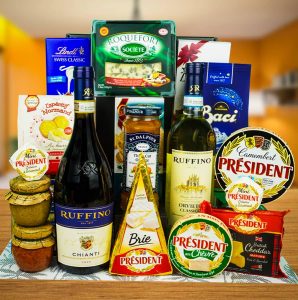
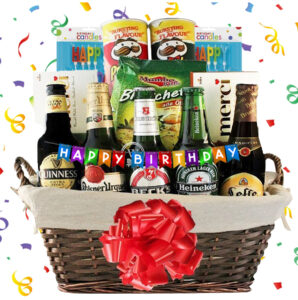
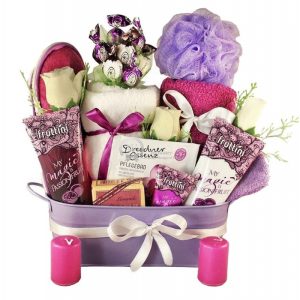
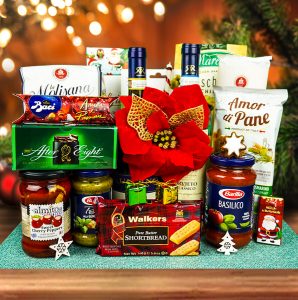
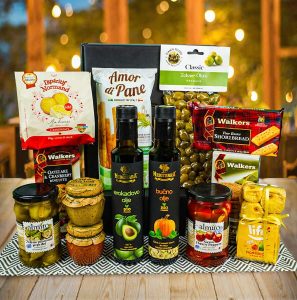
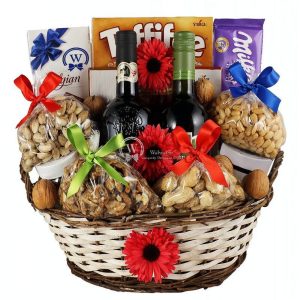
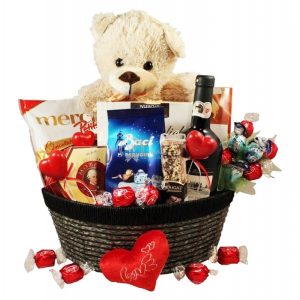
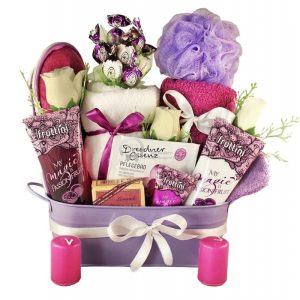
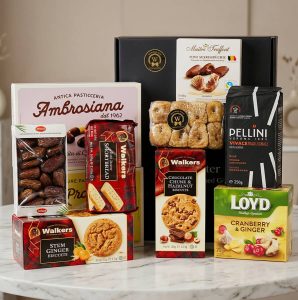
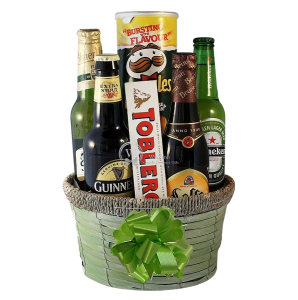
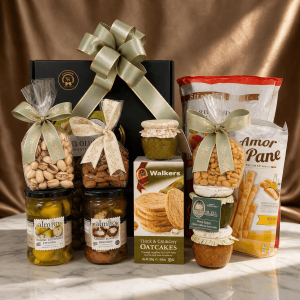
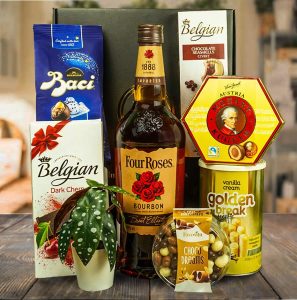
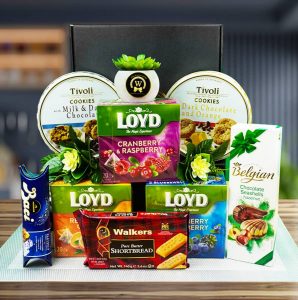
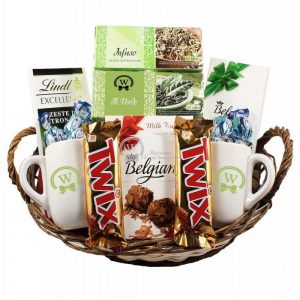
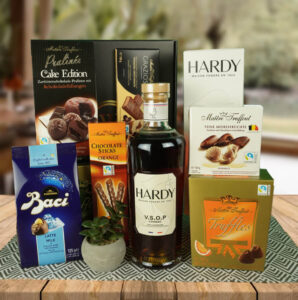
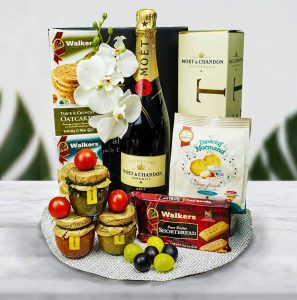
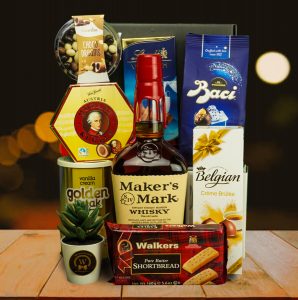
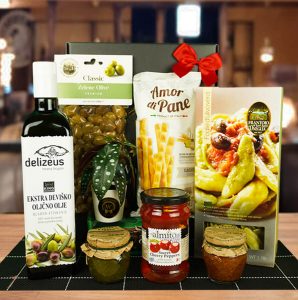
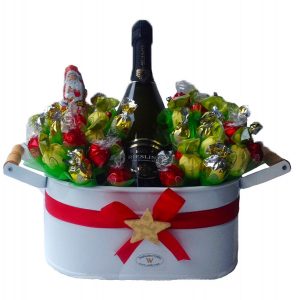
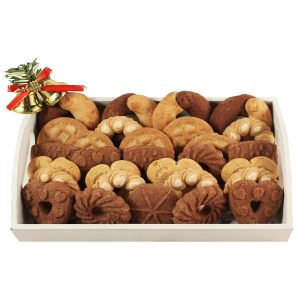
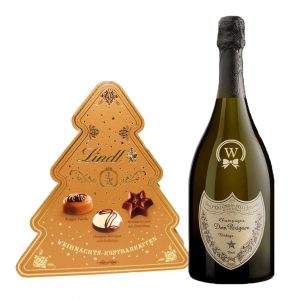
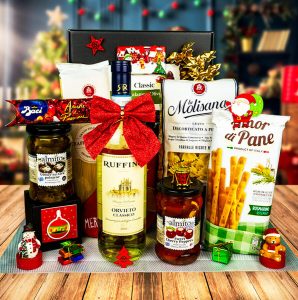
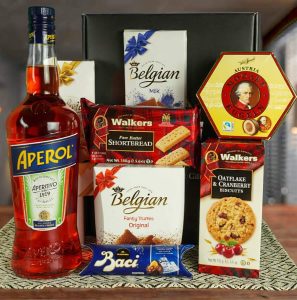
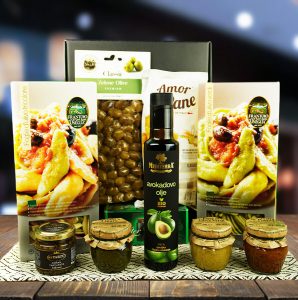
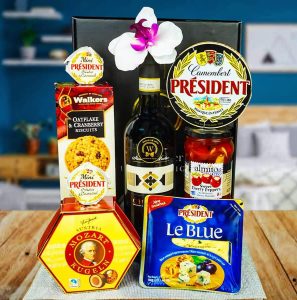
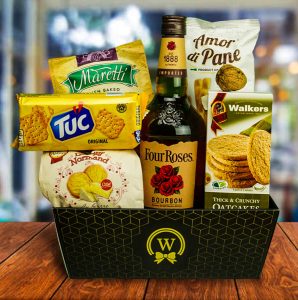
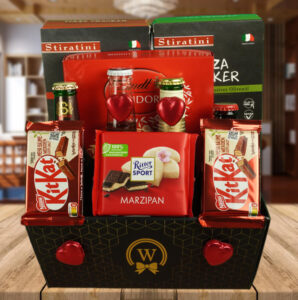
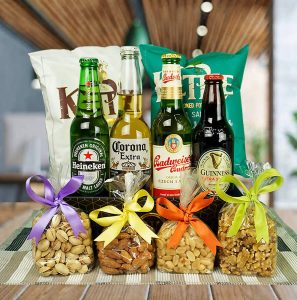
You budgeted £40 per gift. By the time your hampers reached clients in Frankfurt, Lyon, and Warsaw, the real cost was closer to £120.
Nobody warned you about the health certificates, the duty, the delayed delivery surcharge, or the replacement basket for the one that was confiscated at the border. This guide explains exactly why it happened – and how to make sure it never happens again.
The Hidden Cost Problem Nobody Talks About
Every year, UK businesses send tens of thousands of corporate gift baskets to clients, partners, and colleagues across Europe. Most of them go out with a clear budget in mind, a supplier they trust, and reasonable expectations about delivery time.
A significant number arrive at the destination late, incomplete, or not at all. And almost all of them end up costing considerably more than the procurement team planned for.
This isn’t bad luck. It’s a structural problem – one created by the intersection of post-Brexit trade rules, EU import law, international courier pricing, and the way most UK gift suppliers handle (or fail to handle) the paperwork. Understanding each component is the only way to budget accurately and, ultimately, to find a better solution.
Cost Driver #1: Post-Brexit Health Certificates
This is the one that catches UK businesses most off-guard, because it didn’t exist before January 2021.
Since the UK left the EU Single Market, food products of animal origin – meat, fish, dairy, eggs, and products derived from them – moving from the UK into EU member states require an Export Health Certificate (EHC) signed by an Official Veterinarian. This isn’t a formality. It’s a formal government document that must be obtained in advance, costs money to produce, and takes time to arrange.
For a corporate gift hamper containing smoked salmon, a selection of British cheeses, and a cured meat board – a very standard premium UK hamper – this means multiple EHCs, each covering a specific product category. The cost per certificate varies but typically runs from £20 to £60 per document, per shipment. On a gift that cost £45 to buy, this alone can represent more than the cost of the gift itself.
The supplier usually doesn’t tell you
Most UK gift suppliers are not set up to produce EHCs at individual hamper level. They either quietly drop animal-origin products from EU shipments without telling you (resulting in a significantly less impressive basket than you ordered), charge a large “EU compliance surcharge” buried in the checkout process, or simply decline to ship certain products to EU addresses.
The buyer finds out about this after the order is placed – either when the invoice arrives, when the delivery tracking shows a customs hold, or when the client mentions that the salmon and cheese seem to be missing.
Cost Driver #2: Import Duty and VAT at Destination
Before Brexit, goods moving between the UK and EU were subject to zero tariffs. That changed in January 2021. UK-origin goods entering the EU are now subject to the EU’s Common External Tariff, which applies different duty rates to different product categories.
Food products face a wide range of duty rates. Chocolate and confectionery typically attract 8–12%. Preserved fish can be 12–20%. Spirits face both import duty and excise duty at destination. These percentages are applied to the declared customs value of the shipment – which should be the full commercial value, not a discounted or nominal figure.
The gift relief threshold is lower than you think
The EU does have a gift relief threshold below which import duty and VAT are not charged. But it’s set at just €45 per consignment. A premium corporate hamper that cost £60–£100 to produce will almost always exceed this threshold, triggering duty and import VAT at the destination country’s standard rate (typically 19–25% depending on the country).
If the duty and VAT liability is not prepaid by the sender, it becomes a Delivery Duty Unpaid (DDU) shipment. The recipient is then contacted by the courier and asked to pay before the parcel is released. Having your client chase a customs payment before they can open their gift is, to put it diplomatically, not the impression most businesses are trying to make.
Cost Driver #3: International Courier Pricing (And Its Many Surcharges)
International courier pricing is notoriously opaque. The base rate for a medium-weight parcel from the UK to an EU destination might look reasonable at £12–18. But that’s rarely the final number.
The surcharge ecosystem
Major international couriers apply a range of additional charges that are technically disclosed in their terms but rarely visible in any quote tool. These include:
- Fuel surcharge: A variable percentage applied to the base rate, typically 15-25% and adjusted monthly. This alone adds £3-5 to a basic EU delivery.
- Remote area surcharge: Applies to any delivery address the carrier classifies as outside a major urban center. Much of rural France, southern Italy, eastern Poland, and the Baltic states attract this charge. It can add £5-12 per parcel.
- Oversize/overweight surcharge: Gift hampers are often bulky relative to their weight. Dimensional weight pricing means a 2kg hamper in a 30cm cube box might be billed as a 5kg shipment.
- Residential surcharge: Deliveries to home addresses (common if sending gifts directly to clients) attract a residential surcharge on most carrier networks.
- Customs clearance fee: Some carriers charge a separate fee for processing the customs documentation on your behalf, even on small shipments.
Stack these together and a “£15 delivery” becomes £30-35 in practice. Multiply that by 50 hampers, and you’re looking at £750-1,250 in unanticipated delivery costs.
Cost Driver #4: Confiscation, Returns, and Replacement
Customs confiscation is not just a bureaucratic inconvenience. It’s a direct financial loss with no right of compensation from the carrier or the receiving customs authority.
Food items most commonly confiscated at EU customs from UK-origin shipments include:
- Meat and charcuterie products without valid health certificates
- Dairy products (cheese, butter, cream-based confectionery) without EHCs
- Fish and seafood, including smoked and preserved products
- Products with labeling only in English (EU law requires labels in the destination country’s language)
- Items with additives, colorings, or preservatives not approved under EU food law
When a hamper is confiscated, the sender typically receives no notification until the recipient reports that nothing arrived. The carrier will confirm it was ‘held at customs’ but cannot recover the goods. The options are: send a replacement (doubling the cost of that gift), issue an apology (poor client experience), or absorb the loss.
The labeling problem is more common than you’d think
EU Regulation 1169/2011 requires that food products distributed in EU member states carry labels in the official language of the country of sale. An artisan product labeled only in English – entirely standard for a UK producer – is technically non-compliant for distribution in Germany, France, Spain, Italy, or any other EU member state. Customs officers have discretionary power to flag this, and many do.
Cost Driver #5: The ‘Premium’ Premium
There’s a subtler cost that doesn’t show up on any invoice but is real nonetheless: the cost of paying a premium for ‘European delivery’ from a UK supplier and receiving a product that’s meaningfully worse than what you paid for.
Many UK gift suppliers offer EU shipping as an add-on, but their supply chains are built around the UK market. When they fulfil EU orders, they either use lower-quality substitute products to avoid the compliance costs of shipping regulated items across borders, or they simply ship the same UK hamper and hope for the best, accepting that some percentage will be confiscated or arrive incomplete.
The result is that you pay a UK-domestic price (or higher, with the EU surcharge) for a basket that is substantively inferior to what a client in Frankfurt would consider a premium product. You’re also paying for products to make a journey they were never designed to make, with a quality-degrading effect that only shows up when the recipient opens the box.
Why the Obvious Solutions Don’t Work
“We’ll just use a cheaper basket to keep total costs down”
This approach doesn’t address the fixed-cost elements. Health certificate costs, customs broker fees, and carrier surcharges don’t scale down proportionally with basket value. A £25 basket faces nearly the same administrative overhead as a £60 one. The percentage overhead actually increases as basket value falls, making cheaper products an even worse deal on a cost-per-impression basis.
“We’ll just remove the restricted products.”
This is the most common workaround, and it works – but at the cost of making the basket dramatically less impressive. The smoked salmon, the farmhouse cheeses, the charcuterie selection: these are the products that make a premium hamper feel premium. Removing them to avoid compliance costs leaves you with crackers, chocolate, and jam. Entirely pleasant. Not exactly the statement you were trying to make.
“We’ll find a courier with lower surcharges.”
Carrier pricing for international food parcels has converged significantly since Brexit. The surcharge structures at DHL, UPS, FedEx, and DPD are broadly similar. Spending time shopping courier rates will typically yield savings of £2–3 per parcel while leaving the structural cost drivers entirely unchanged.
The Actual Solution: Source and Fulfill from Within the EU
Once you understand the cost structure clearly, the solution becomes obvious. Every single hidden cost described above is a consequence of shipping food products from a UK origin into the EU:
- Health certificates exist because the UK is now a third country for EU food import purposes
- Import duty applies because UK-origin goods are no longer within the EU Customs Union
- Carrier surcharges are higher for international shipments than domestic EU ones
- Confiscation risk exists because UK labeling standards no longer match EU requirements
Source your corporate gift baskets from a supplier who operates within the EU, fulfills from within the EU, and delivers within the EU, and every one of these cost drivers disappears. No health certificates required. No import duty. Domestic EU delivery rates. EU-compliant labeling as standard. No confiscation risk.
The basket that cost £65 and arrived at your client in Frankfurt for £183 all-in can be replaced by an equivalent or superior product sourced and delivered within the EU for £65-80 total. Same impression. A fraction of the complexity. None of the nasty surprises.
The UK Business Solution: Walwater Gifts
This is precisely the problem that Walwater Gifts solves for UK businesses with European client bases.
Walwater is a specialist corporate gift basket service operating within the EU. By sourcing products from European producers and fulfilling orders from within the EU, Walwater completely sidesteps the post-Brexit cost and compliance nightmare that makes UK-origin gifting so expensive and unpredictable.
No health certificates. No import duty. No confiscation.
Because Walwater sources and ships within the EU, none of the post-Brexit trade friction applies. Products move under EU internal market rules. No EHCs, no Common External Tariff, no language-labelling mismatch. What you order is what arrives, on time, complete, and at the price you agreed.
Premium EU products that land better with EU recipients
A client in Milan receiving a basket containing products sourced from Italian, French, and Spanish artisan producers is receiving something more culturally resonant than a basket of British products they may never have heard of. Walwater’s curation draws on European provenance – the kind that means something to the people on the receiving end.
Built for UK corporate accounts
Walwater understands the UK corporate market. Services are structured for business accounts – multiple delivery addresses across the EU in a single order, custom branding, account management, volume pricing, and the kind of professional delivery guarantee that procurement teams need when gifting on behalf of the business.
Transparent, all-in pricing
Because the EU-origin supply chain eliminates the major hidden cost drivers, Walwater can offer straightforward pricing with no compliance surcharges, no confiscation risk, and no DDU surprises at the recipient’s door. What you see at checkout is what the programe costs.
Before You Place Your Next EU Gifting Order: A Checklist
If you’re still working with a UK-based supplier for European gifting, run through this before you commit:
- Does the supplier hold Official Veterinarian relationships for Export Health Certificates? If not, restricted products will be missing from EU deliveries.
- Are import duty and destination VAT included in the quoted price, or will these be charged to the recipient on delivery?
- What is the carrier’s fuel surcharge rate this month, and are remote area surcharges disclosed upfront?
- Are all products labeled in the destination country’s language, as required by EU Regulation 1169/2011?
- What is the supplier’s confiscation replacement policy, and who bears the cost if a parcel is held at customs?
- Would it be materially cheaper and more reliable to use an EU-based supplier instead?
If you can’t get clear answers to the first five questions, the answer to the sixth is almost certainly yes.
Frequently Asked Questions
Do I need an Export Health Certificate for every hamper I send to the EU?
Yes, if the hamper contains any food of animal origin – meat, fish, dairy, or products derived from them. The EHC must be completed by an Official Veterinarian registered with APHA (the Animal and Plant Health Agency). Most UK gift suppliers are not set up to produce individual-shipment EHCs, which is why animal-origin products are so often missing from EU-delivered hampers.
What is the EU gift relief threshold and does it apply to corporate gifts?
The EU gift relief threshold is €45 per consignment. Below this value, import duty and VAT are waived. However, this relief is intended for gifts between private individuals. Commercial shipments – including corporate gift programmes – may not qualify regardless of value. Any premium corporate hamper will almost certainly exceed €45 in declared value anyway, making the threshold largely academic.
Can I use DDP (Delivered Duty Paid) shipping to avoid the recipient paying customs?
Yes, DDP shipping means the sender pays all duties and taxes upfront so the recipient receives the parcel without any customs demand. This is strongly recommended for corporate gifting – DDU (Delivered Duty Unpaid) creates a terrible impression when clients receive customs bills before they can open their gift. However, DDP adds to the sender’s cost and requires accurate advance valuation of all duties and destination VAT.
Is it legal to send food gifts from the UK to EU countries?
Yes, it is legal – but it requires compliance with EU import rules. Products of animal origin need Export Health Certificates. All products must comply with EU food safety and labeling standards. Customs declarations must accurately reflect the commercial value. When done properly, UK-to-EU food gifting is legal; the problem is that the compliance costs often make it economically irrational compared to EU-sourced alternatives.
What’s the most cost-effective approach for UK companies gifting in Europe at scale?
The most cost-effective approach is to work with an EU-based gift specialist who sources and delivers within the EU. This eliminates health certificate requirements, import duty, carrier international surcharges, and labeling compliance risk in a single step. For UK businesses sending gifts to more than ten EU addresses per year, the saving compared to UK-origin shipping is typically substantial.
The Bottom Line
The post-Brexit cost structure for UK-to-EU corporate gifting is not going away. Health certificate requirements, import duties, carrier surcharges, and EU labeling rules are all baked into the regulatory landscape for the foreseeable future. Trying to manage them parcel by parcel is expensive, time-consuming, and unreliable.
The businesses that have solved this problem have done so by removing the UK-to-EU journey from the equation entirely. They work with EU-based suppliers who source locally, fulfill locally, and deliver under EU domestic rules. The gifts are better, the costs are lower, and the experience for clients is exactly what it should be: seamless.
Walwater Gifts offers exactly this for UK businesses with European client bases. Premium gift baskets, sourced and delivered within the EU, at a price that doesn’t require a post-mortem spreadsheet.
Visit sendgiftsineurope.com/corporate-and-business-gift-baskets and stop paying three times what your European gifting should cost.