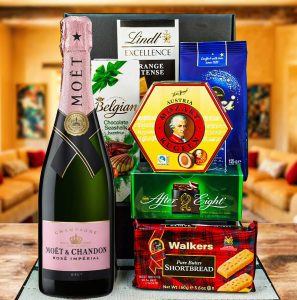
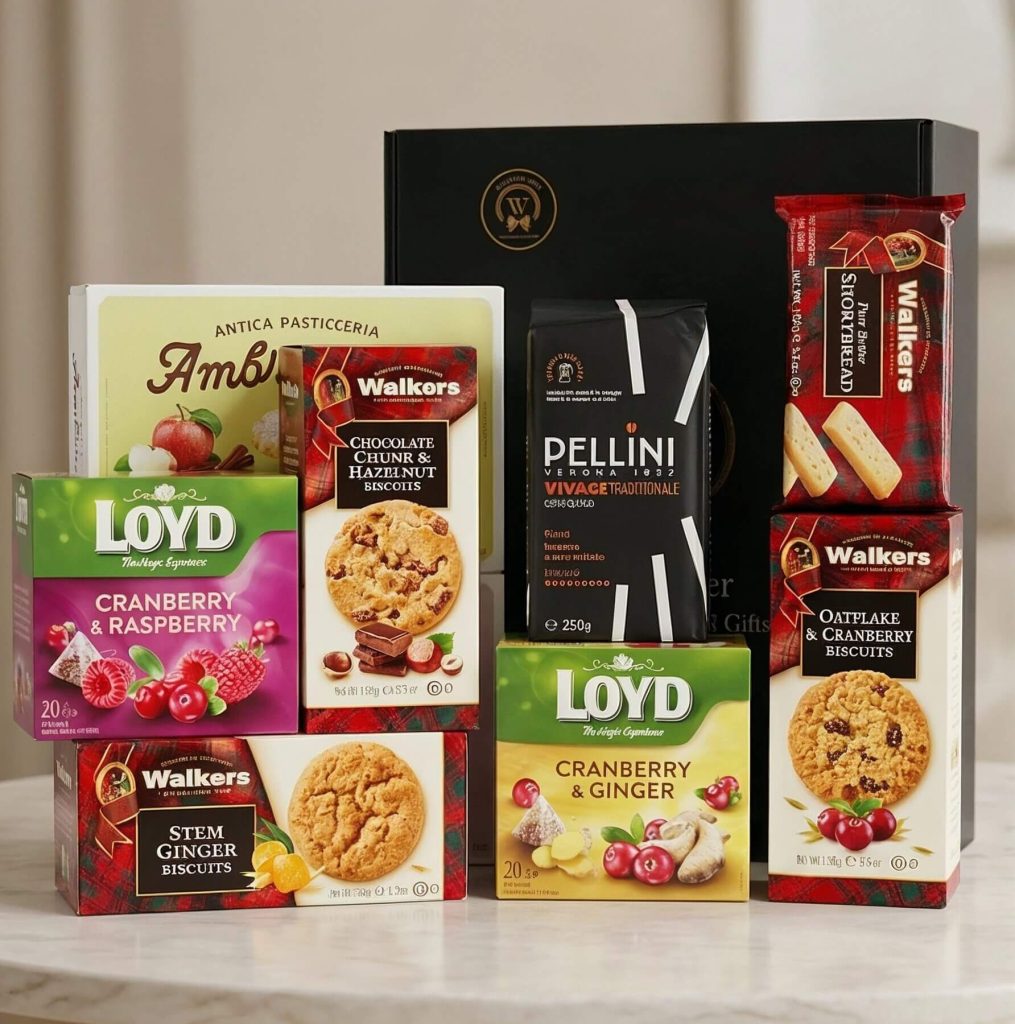
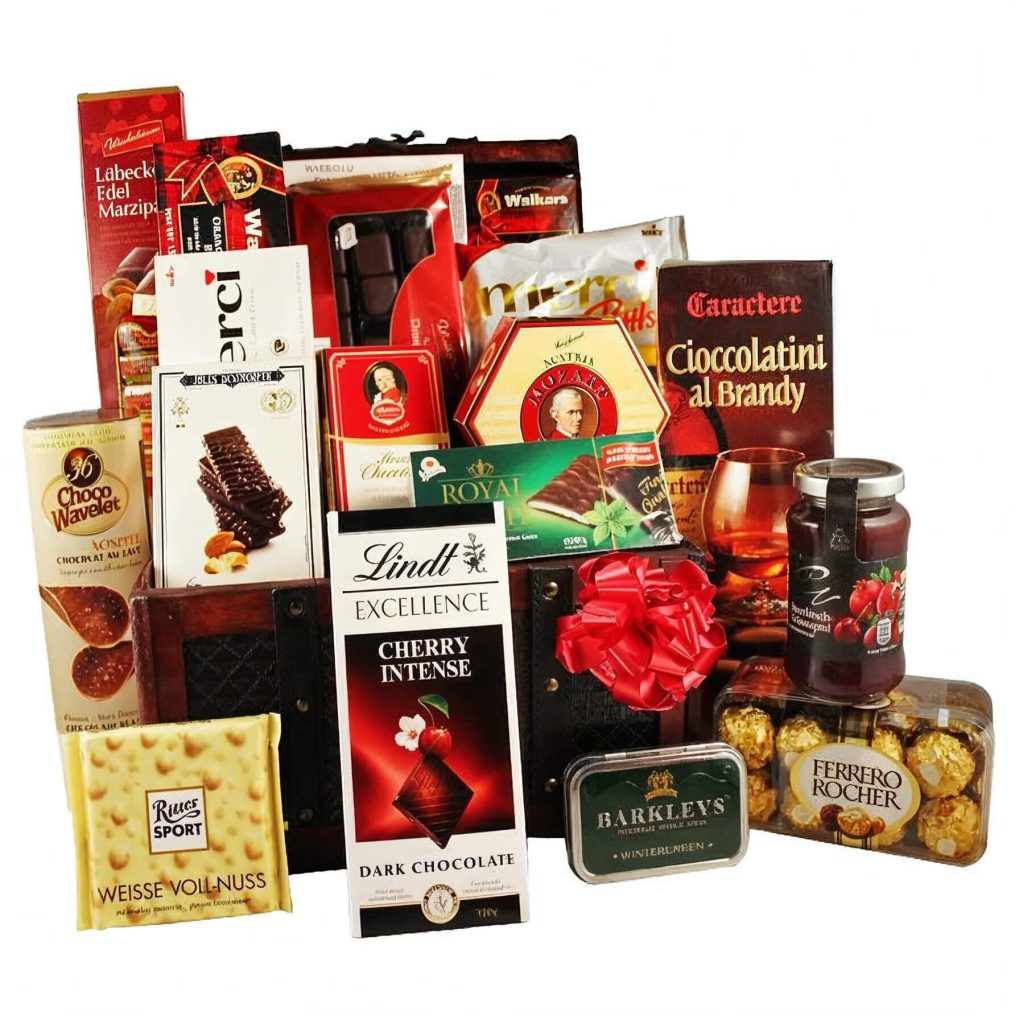
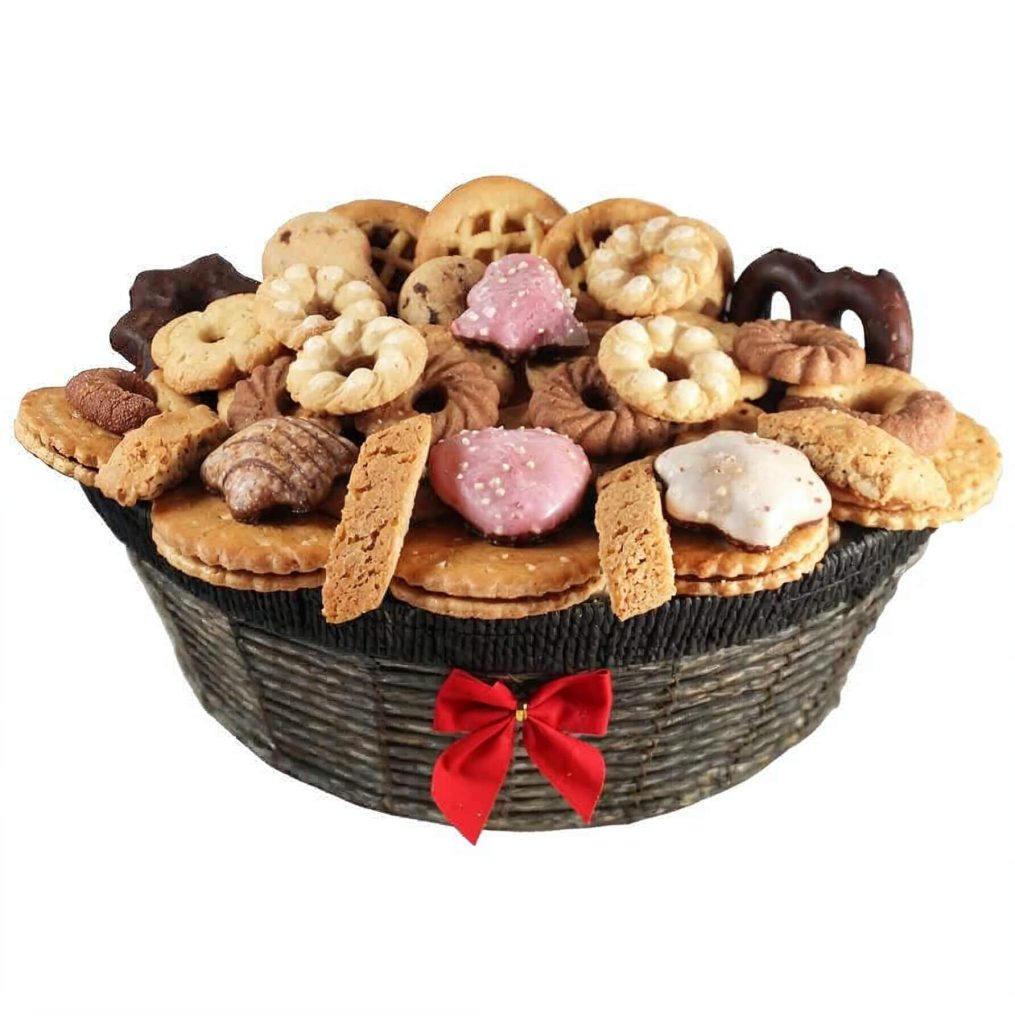
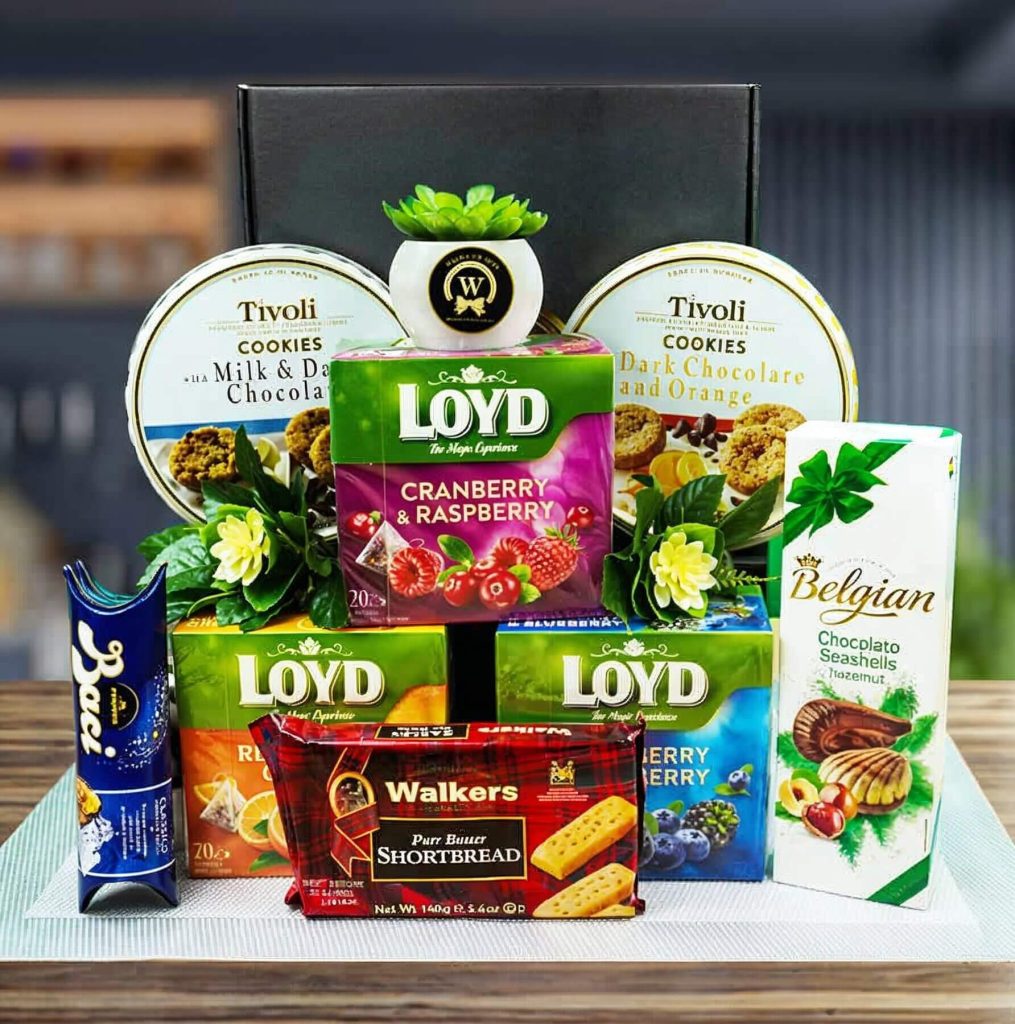
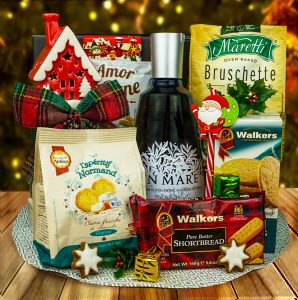
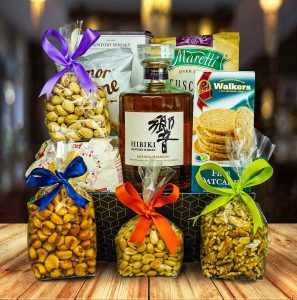
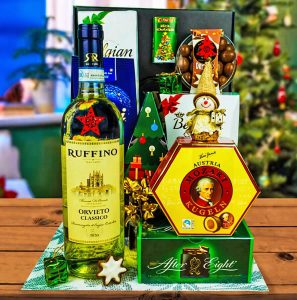
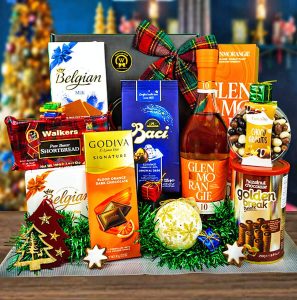
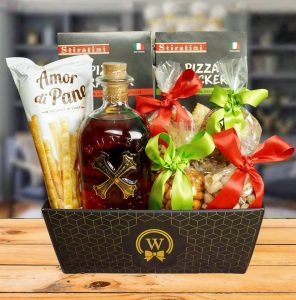
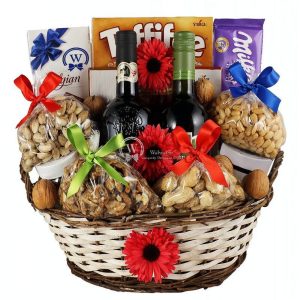
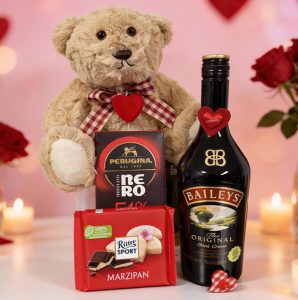
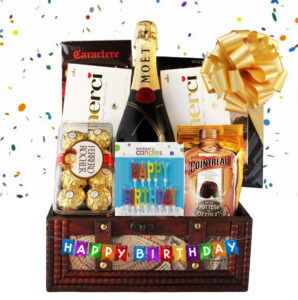
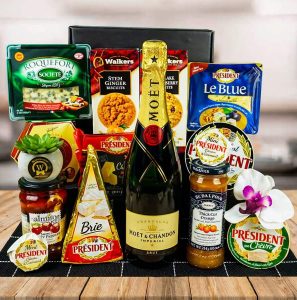
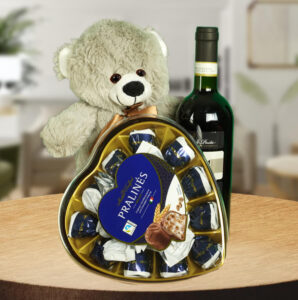
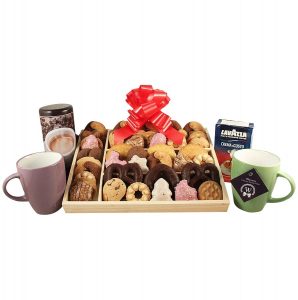
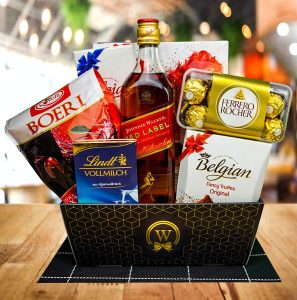
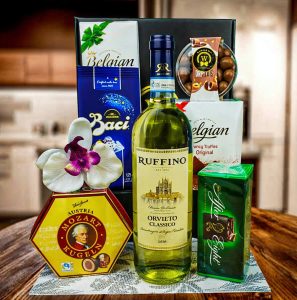
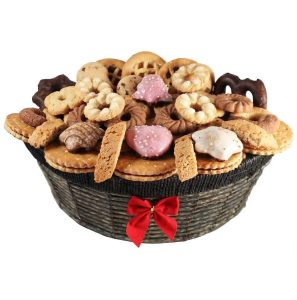
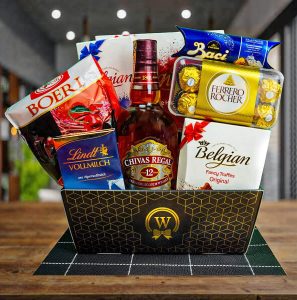
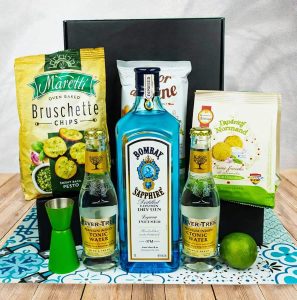
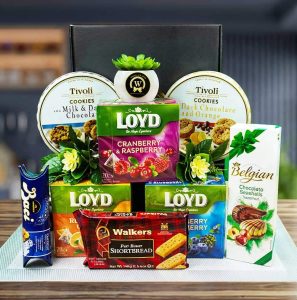
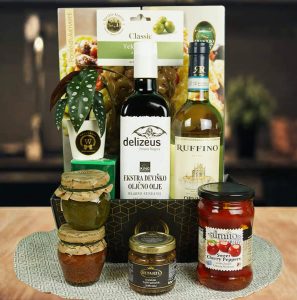
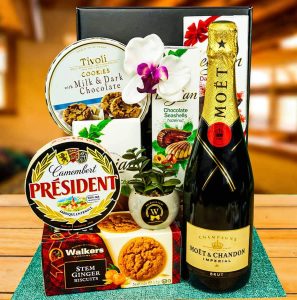
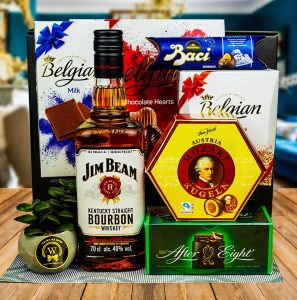
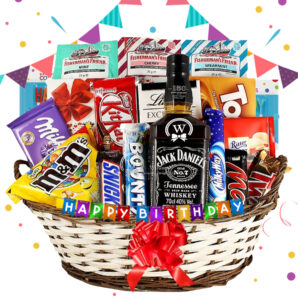
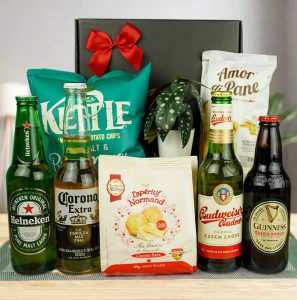
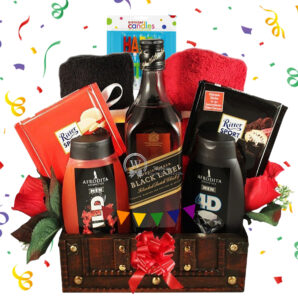
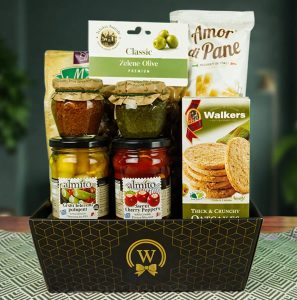
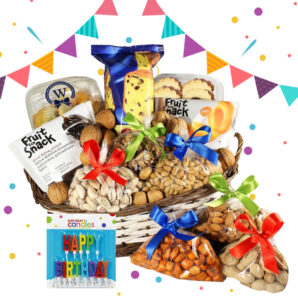
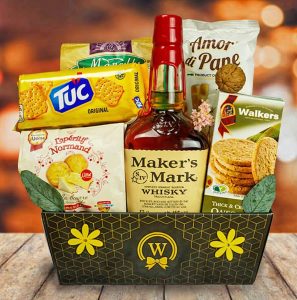
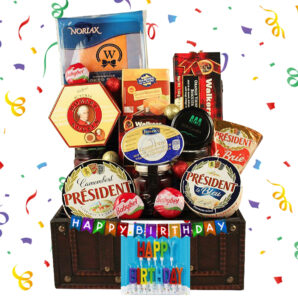
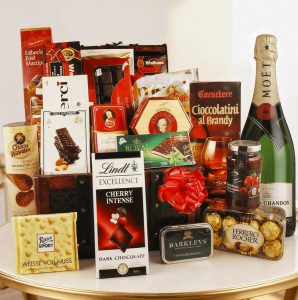
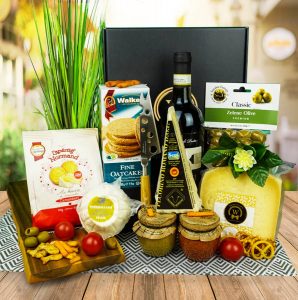
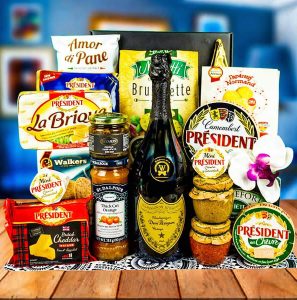
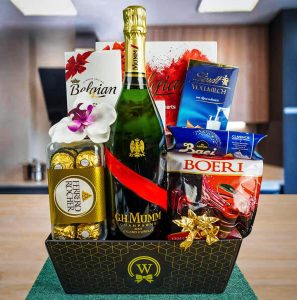
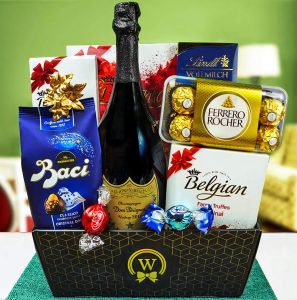
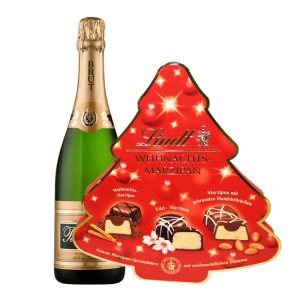
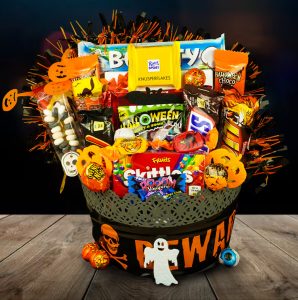
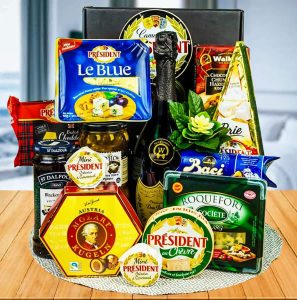
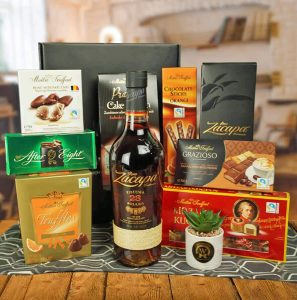
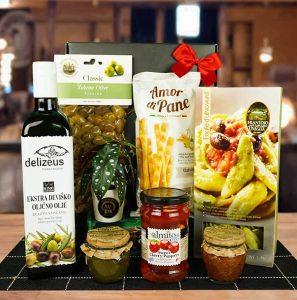
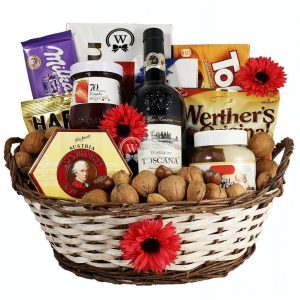
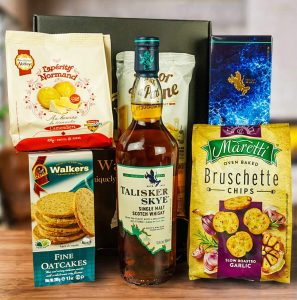
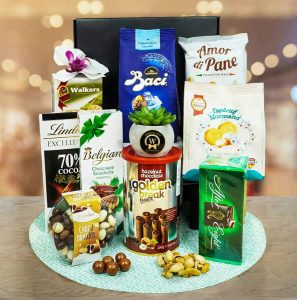
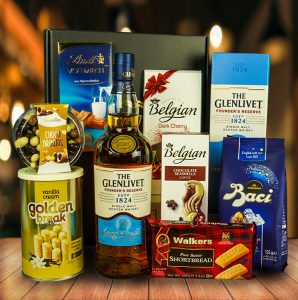
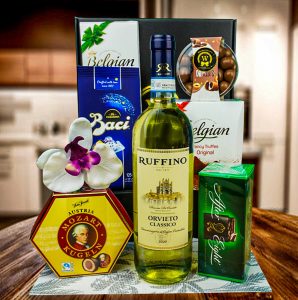
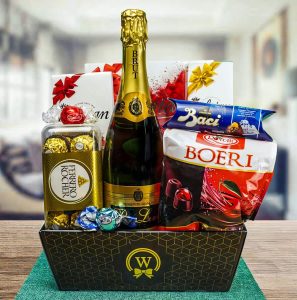
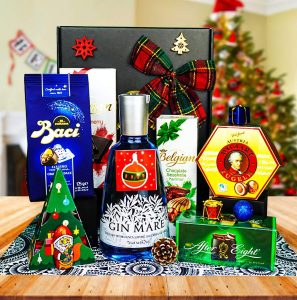
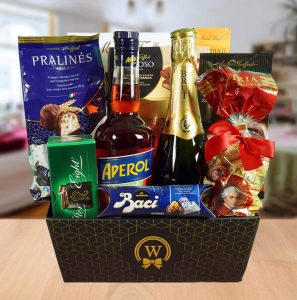
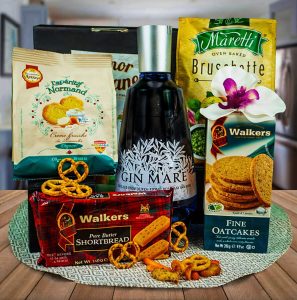
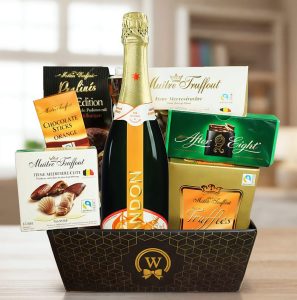
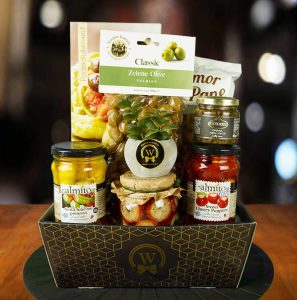
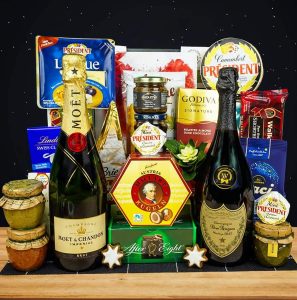
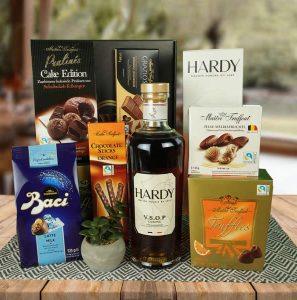
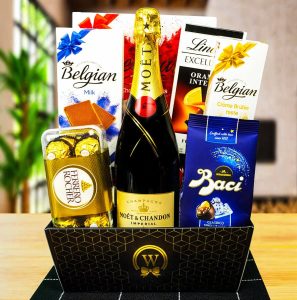
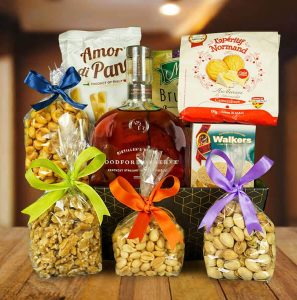
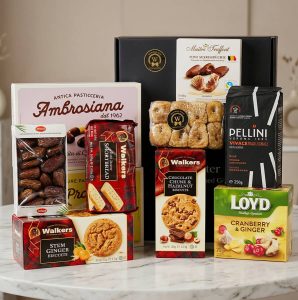
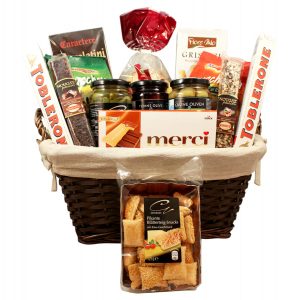
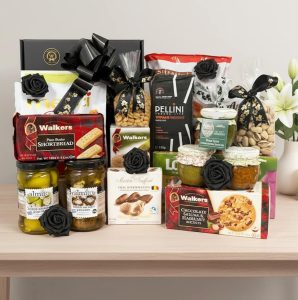
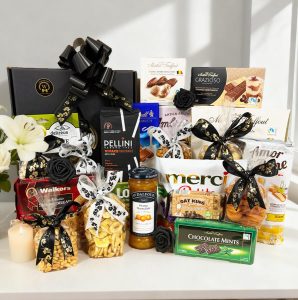
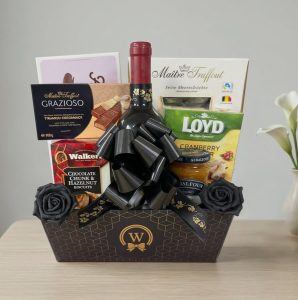
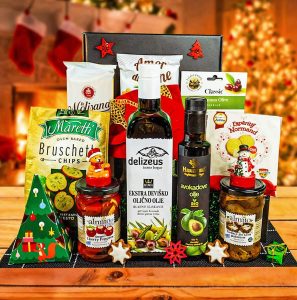
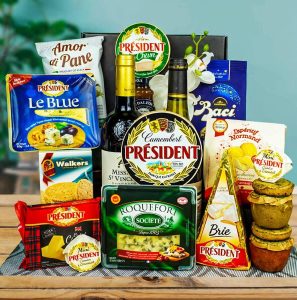
The best corporate gifts for non-drinkers are gourmet food hampers built around chocolate, cookies, coffee, tea, pasta, and dried fruit and nuts. These gifts feel just as premium as a wine basket, work across religions and health choices, and remove any guesswork about whether a client or colleague drinks.
Sending a bottle of wine used to be the safe choice for corporate gifting. It no longer is. A large share of clients, partners, and employees across the UK, the US, and Europe do not drink alcohol, whether for health, religious, personal, or medical reasons, and a wine basket sent to the wrong person can land as thoughtless rather than generous. This creates a real problem for anyone sending corporate gifts across Europe: how do you pick something that feels premium, personal, and appropriate, without knowing every recipient’s drinking habits in advance?
This guide covers why non-alcoholic corporate gifts have become the safer default, what the data says about how many people actually skip alcohol, and which gift categories consistently work as a wine alternative. It also walks through a step-by-step way to choose the right gift, compares alcohol-free gifting against alcohol-inclusive gifting, and lists premium non-alcoholic gift hampers from Walwater Gifts that ship across 26 European countries.
Key Takeaways
- A meaningful share of adults in the UK and across Europe do not drink alcohol, so a wine gift is a gamble rather than a safe default.
- Non-alcoholic corporate gifts built around chocolate, coffee, tea, cookies, pasta, and nuts read as equally premium when packaged well.
- Skipping alcohol also sidesteps religious and dietary restrictions that apply to many international business relationships.
- A short note explaining the occasion matters more to recipients than whether the gift contains alcohol.
- Walwater Gifts ships non-alcoholic hampers to 26 European countries from a central Slovenia warehouse.
Why Inclusive Gifting Matters When You Do Not Know Who Drinks
Corporate gift lists often include dozens or hundreds of recipients: clients in different countries, colleagues in different offices, partners from different backgrounds. Sending the same wine hamper to everyone assumes a shared habit that a growing number of people do not have. Some recipients avoid alcohol permanently for religious reasons. Others are in recovery, pregnant, on medication, training for an event, or simply prefer not to drink and would rather not receive a reminder of it sitting on their desk.
None of this needs to be a guessing game for the sender. General workplace gifting guidance points in one clear direction: choose non-alcoholic gift options to demonstrate inclusivity and avoid discomfort for the recipient, and consider dietary restrictions such as vegan, halal, or kosher needs so that everyone can enjoy the gift. A gourmet food basket built without alcohol removes the single biggest risk factor in corporate gifting: sending something the recipient cannot, or would rather not, use.
There is also a practical upside. A non-alcoholic hamper can be sent to an entire distribution list, mixed offices, or a multi-country client base without sorting recipients into “drinks” and “doesn’t drink” categories first. That saves time during a busy gifting season and lowers the chance of an awkward mismatch.
How Many Clients and Employees Actually Skip Alcohol
The numbers back up the shift toward alcohol-free gifting. In England, the 2024 Health Survey for England, published in January 2026, found that 22% of men and 26% of women had not drunk alcohol in the previous year. That share rises sharply among younger adults: 39% of men aged 16 to 24 and 31% of women in the same age group reported no alcohol consumption in the past 12 months, according to the same survey.
The pattern holds across the wider European Union. Among EU member states plus Norway, Iceland, and Switzerland, Cyprus and Bulgaria report the highest proportion of non-drinkers at 34% each, while Luxembourg reports the lowest at 16%. In other words, even in the country least likely to skip alcohol, roughly one in six adults does not drink, and in several countries the figure is closer to one in three.
For a corporate sender working across a client base or workforce spread over multiple European countries, these figures make alcohol a genuinely unreliable default. A gift list of fifty recipients will very likely include several people who do not drink, and there is no easy way to know which ones without asking directly, which most companies are not set up to do at scale.
What to Send Instead of Wine: Categories That Work
A handful of gift categories consistently substitute for wine without feeling like a downgrade, because they are built around genuine gourmet ingredients rather than default snack food.
Chocolate and confectionery. A well-curated chocolate assortment, ideally featuring recognizable European brands rather than supermarket-tier sweets, reads as premium on its own. This is one of the most universally accepted corporate gifts because it rarely conflicts with dietary or religious restrictions.
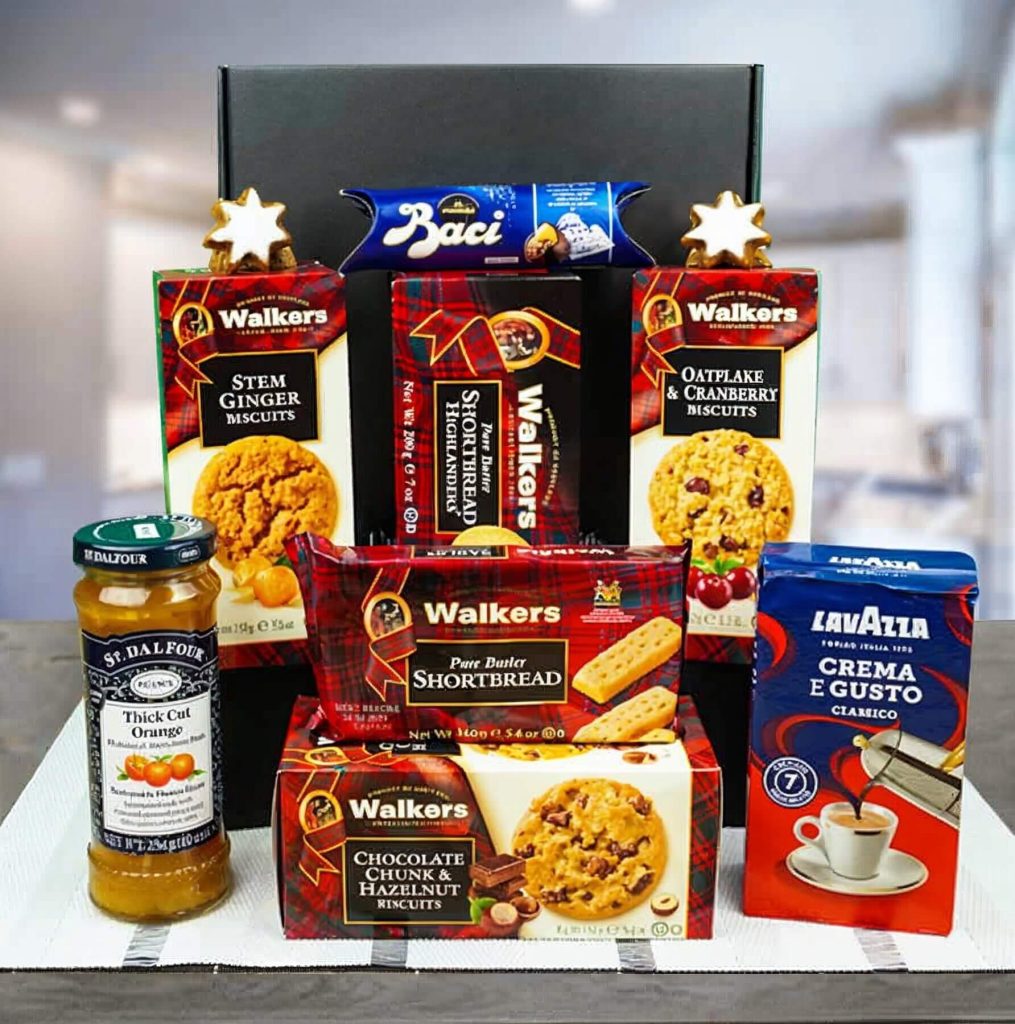
Coffee and tea sets. Gourmet coffee and specialty tea pair naturally with cookies or shortbread and give the recipient something to use repeatedly rather than consume in one sitting, which extends the gift’s presence in their day.
Cookies, shortbread, and baked treats. A cookie or brownie basket travels well, keeps for weeks, and works for both individual recipients and shared office spaces, since colleagues often pass around a box of baked goods.
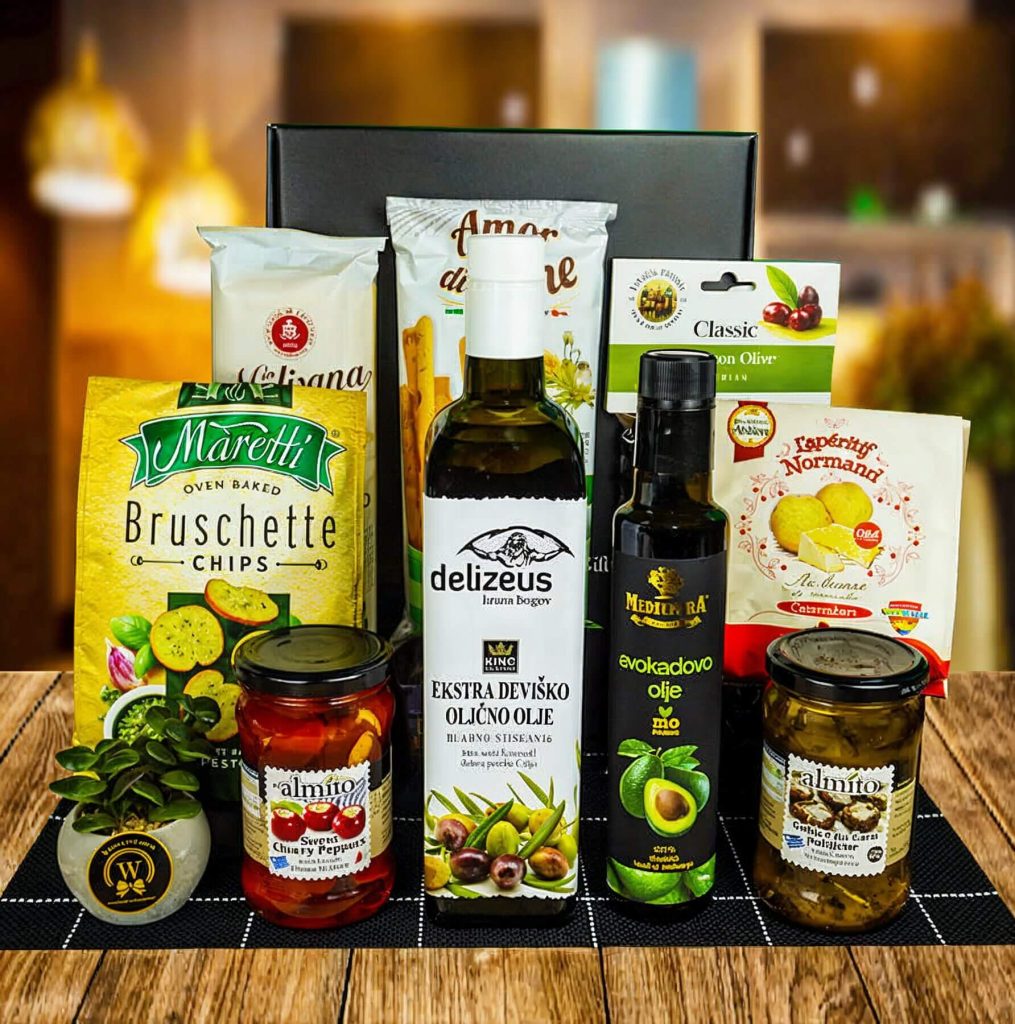
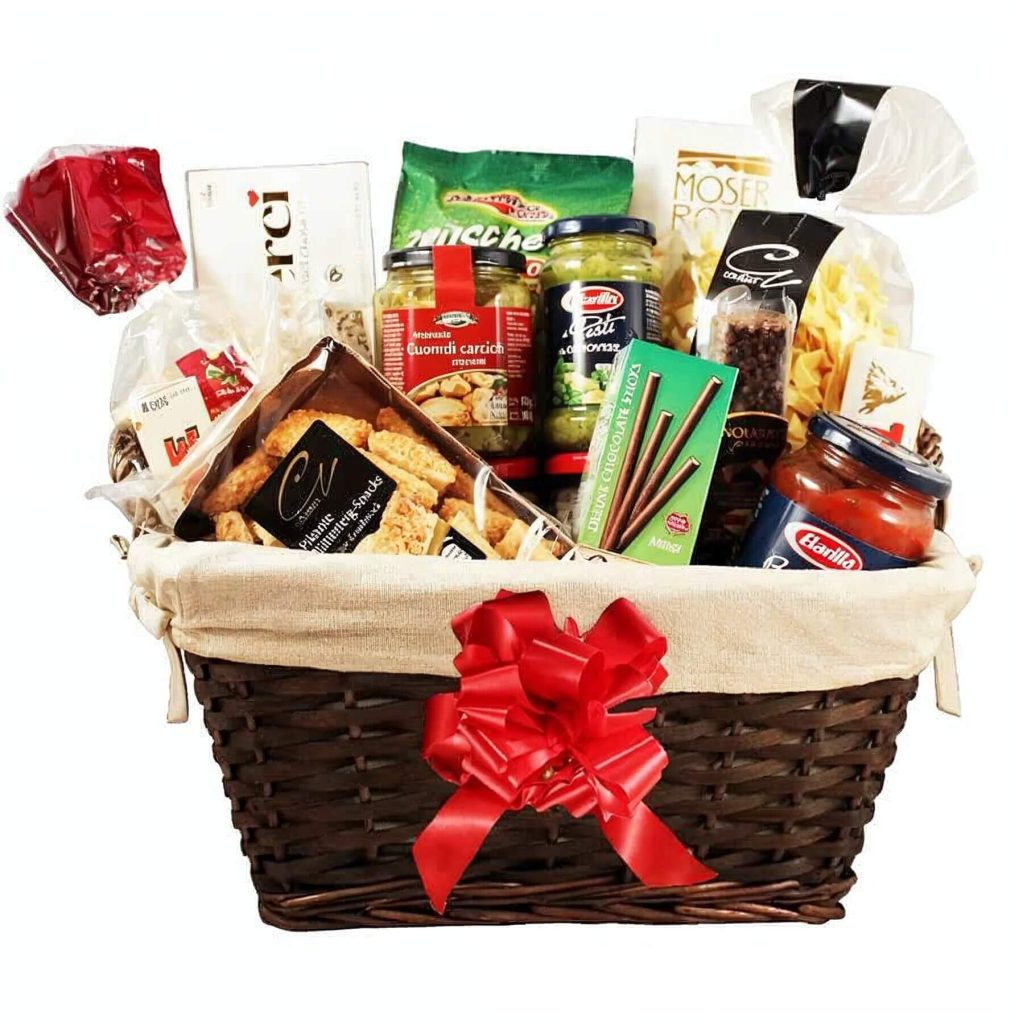
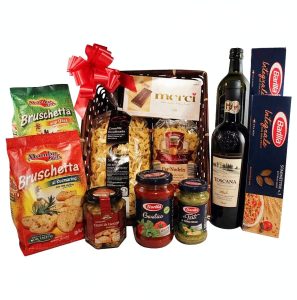
Pasta and gourmet food hampers. For a slightly more substantial gift, an Italian-style pasta hamper with sauce, crackers, and chocolate gives the recipient a meal-oriented gift that still feels special rather than everyday.
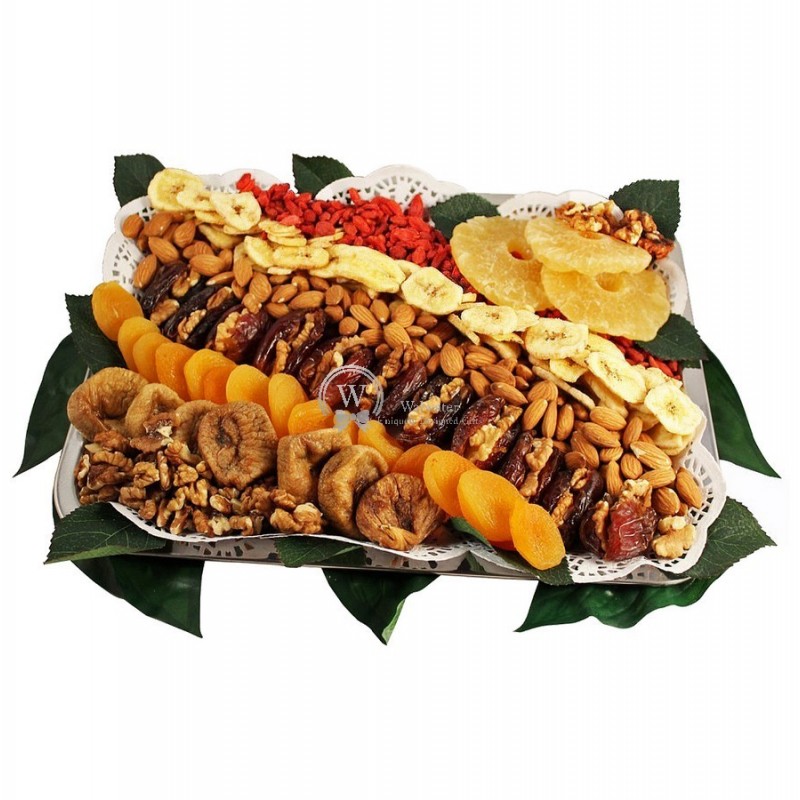
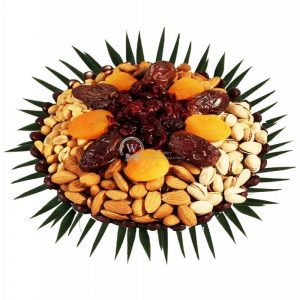
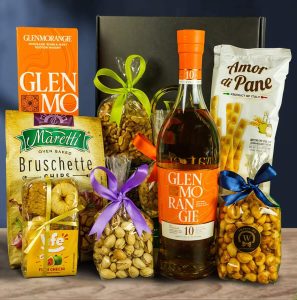
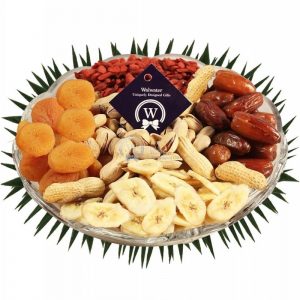
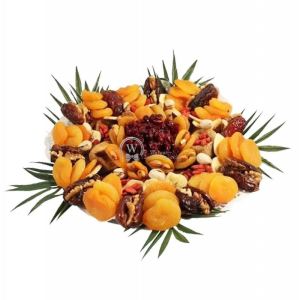
Dried fruit, nuts, and platters. These work particularly well for clients who observe halal or kosher dietary guidelines, and they suit health-conscious recipients who might not want a chocolate-heavy basket.
The common thread across all five categories is quality over quantity. A recipient can tell the difference between a basket padded with filler and one built from a handful of genuinely good products, so the goal is a tight, well-chosen selection rather than a large box of mixed items.
Step-by-Step: Choosing a Non-Alcoholic Corporate Gift
- Confirm the occasion first. General gifting guidance is consistent on this point: every gift should have a clear reason, whether that is a thank-you, a milestone, a holiday, or a welcome gesture. The occasion shapes the tone of the gift more than any other factor.
- Pick a primary flavor category. Choose one lead category, chocolate, coffee and tea, or pasta, rather than trying to combine all three into one basket. A focused gift reads as more deliberate than a scattered one.
- Check for dietary and religious fit. If the recipient’s background is known, confirm the gift avoids conflicts with halal, kosher, vegan, or other dietary needs where relevant. When in doubt, chocolate, coffee, and dried fruit baskets are the safest general choices.
- Match the price to the relationship tier. A standard client gift, a key account gift, and a VIP gift call for different price points, in the same way an alcohol-inclusive gift would.
- Confirm delivery timing for the destination country. Delivery windows vary by country, so build in extra time for destinations with longer standard shipping estimates rather than assuming every European country ships equally fast.
- Add a short, specific note. A brief card naming the reason for the gift matters more to most recipients than the exact contents of the basket.
Non-Alcoholic vs Alcohol-Inclusive Corporate Gifts
Factor | Non-Alcoholic Gift | Alcohol-Inclusive Gift |
|---|
Recipient fit | Works for nearly any recipient regardless of drinking habits, religion, or health status | Excludes non-drinkers, recipients in recovery, and some religious or dietary groups |
Shipping and customs | Generally fewer restrictions across borders | Some countries apply extra rules or duties to alcohol shipments |
Office sharing | Easy to leave in a shared space for colleagues to enjoy | Less practical to share in a workplace setting |
Perceived value | Can match or exceed wine gifts when built from premium chocolate, coffee, or gourmet food | Often judged on the bottle’s price point or label recognition |
Safest for large gift lists | Yes, no need to research individual recipients | Riskier without knowing each recipient’s habits |
Premium Alcohol-Free Corporate Gifts from Walwater Gifts
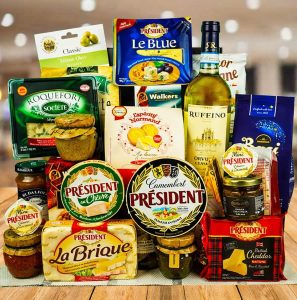
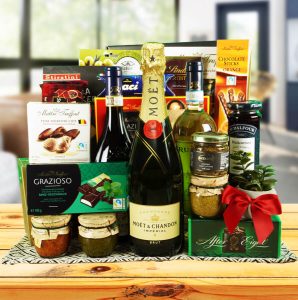
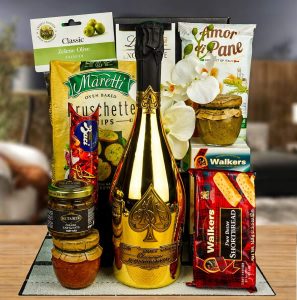
Walwater Gifts ships non-alcoholic gift hampers to 26 European countries from a central warehouse in Slovenia. Each of the gifts below is built without wine, champagne, or spirits, making them straightforward choices for a client list, employee gifting program, or mixed-audience event.
Cultural and Dietary Considerations Across Europe
Corporate gifting across Europe already requires attention to national customs, and alcohol adds another layer of complexity worth avoiding when possible. Some European countries have strong wine and spirits traditions and gift-giving norms built around them, while others have significant populations who avoid alcohol for religious reasons, including Muslim, certain Christian, and other communities. A single non-alcoholic gift strategy sidesteps the need to research each recipient’s background individually.
This matters even more for companies with international client bases outside Europe, including recipients in the Middle East, parts of Asia, and elsewhere, where alcohol gifts can be inappropriate or, in some cases, against local customs entirely. A gourmet food basket avoids that risk entirely while still delivering a gift that feels considered and premium.
Dietary restrictions unrelated to alcohol are worth checking too. Halal and kosher requirements, common in many international business relationships, are generally easier to satisfy with a gift built around fruit, nuts, chocolate, or baked goods than with a wine and cheese combination, which may include ingredients or preparation methods that do not fit those requirements.
Common Mistakes to Avoid
Sending an “alcohol-adjacent” gift, such as wine glasses or a corkscrew, without the wine itself. This still signals an assumption about drinking habits and can feel like an odd substitute rather than a genuine alternative.
Assuming seniority determines drinking habits. Non-drinkers exist at every level of a company, from junior staff to senior executives, so gift tier should be based on the business relationship, not an assumption about who is more likely to enjoy wine.
Skipping the personal note. A generic gift with no explanation of the occasion loses most of its impact, whether or not it contains alcohol.
Choosing low-quality substitutes. A thin selection of supermarket-brand snacks does not read as equivalent to a wine gift. The alternative needs genuine gourmet quality to hold the same weight.
Frequently Asked Questions
What is a good corporate gift for someone who does not drink?
A gourmet chocolate, coffee, tea, or pasta hamper works well. These categories feel premium without relying on alcohol, and they suit a wide range of recipients regardless of why they avoid drinking.
Is it rude to send wine to someone who does not drink?
It is not rude in the sense of an insult, but it can feel thoughtless, especially if the sender did not consider the recipient’s habits. A non-alcoholic alternative avoids the issue entirely.
How do I know if a client drinks alcohol before sending a gift?
In most business relationships, this information is not readily available. Rather than asking directly, which can feel intrusive, choosing a non-alcoholic gift by default removes the need to know.
Are non-alcoholic corporate gifts as premium as wine gifts?
Yes, when built from genuine gourmet ingredients such as quality chocolate, specialty coffee, or an Italian pasta hamper rather than filler snacks. Presentation and ingredient quality matter more than whether alcohol is included.
What percentage of people do not drink alcohol in the UK?
According to the 2024 Health Survey for England, published in January 2026, 22% of men and 26% of women in England had not drunk alcohol in the previous year, with the share rising to roughly a third among adults aged 16 to 24.
Do non-alcoholic gifts cost less than wine gifts?
Not necessarily. A well-built chocolate, coffee, or pasta hamper can sit at the same price point as a mid-range wine gift, since the cost comes from ingredient quality and presentation rather than the alcohol itself.
Can non-alcoholic gifts be sent to religious clients or partners?
Yes, this is one of the main reasons to choose them. Non-alcoholic gifts avoid conflicts with religious practices that prohibit alcohol, making them a safer default for international business relationships.
What should I send instead of champagne for a business celebration?
A chocolate and sweets basket, a gourmet coffee set, or a pasta hamper can mark a celebration without alcohol. Pairing the gift with a note referencing the specific achievement keeps the celebratory tone.
Are non-alcoholic gift baskets appropriate for employees as well as clients?
Yes. They are often a better default for employee gifting specifically, since workplace policies frequently discourage sending alcohol to staff, and a shared office gift like cookies or chocolate is easy to distribute among a team.
How far in advance should I order a non-alcoholic corporate gift for delivery in Europe?
This depends on the destination country, since standard shipping windows vary. Ordering with extra lead time, particularly during December or around major holidays, helps avoid delays from peak shipping demand.
Do dried fruit and nut baskets work as corporate gifts?
Yes, particularly for clients who observe halal dietary guidelines or prefer a lighter, less sugar-focused gift. A well-presented platter reads as premium and suits a wide range of recipients.
Is it better to send one large non-alcoholic hamper or several smaller gifts?
For most business relationships, one well-chosen hamper reads as more considered than several smaller items. A single, well-curated gift avoids looking like a collection of filler products.
Final Call to Action
Choosing a non-alcoholic gift is not a compromise. It is the safer, more inclusive default for corporate gifting across Europe’s varied cultures, dietary needs, and personal choices. Browse Walwater Gifts’ non-alcoholic gift hampers at sendgiftsineurope.com and send a gift that works for every client and colleague on the list, no matter what they drink.