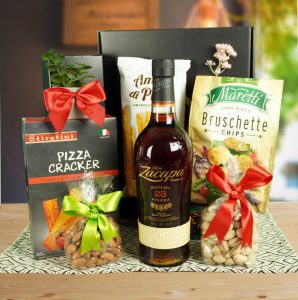
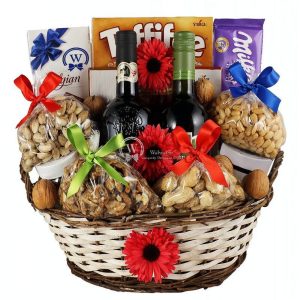
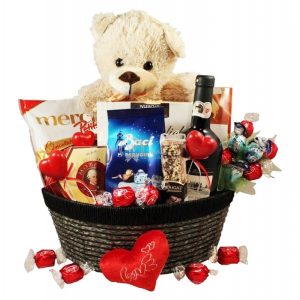
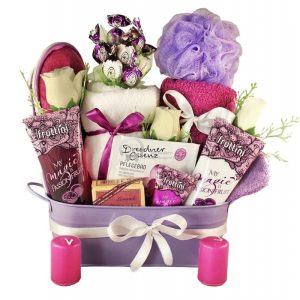
French clients judge the quality of your curation and expect restraint until real rapport exists. German clients want modest, practical, high-quality gifts timed around project completion or year-end, never early in a relationship. Italian clients weigh presentation as heavily as contents and expect a clear occasion behind the gift. Across all three, skip branded merchandise and match the gift to the relationship stage, not the deal size.
Why This Matters More Than Most US and UK Companies Assume
Most companies treat corporate gifting as a logistics problem: find something premium, add a note, ship it. That gets the basics right but misses the part that actually matters. In France, Germany, and Italy, a gift is read as a signal of how well you understand the person and the relationship, not just how much you spent.
Get the signal wrong and nothing dramatic happens. Your German client won’t say the branded pen felt cheap. Your French contact won’t mention that the expensive hamper arrived before you’d earned it. They’ll just be a shade cooler at the next meeting, and you won’t know why. That’s the real risk in cross-border corporate gifting: the failures are silent.
Key Takeaways
- French clients respond to genuine curation and restraint. Branded merchandise, generic supermarket luxury, and early-relationship gifting all read badly.
- German clients want modest, high-quality, practical gifts, usually reserved for project completion, year-end, or a clear milestone, not the start of a relationship.
- Italian clients judge packaging and presentation as part of the gift itself, and expect a specific occasion behind it.
- None of these markets respond well to logo merchandise as the primary gift.
- Shipping a gift changes some of the traditional in-person etiquette rules (handing it over, opening it in front of the giver). Adjust for that instead of ignoring it.
- Value limits for client gifts aren’t fixed by law in most cases, but internal compliance policy and proportionality matter more than the price tag.
- Timing beats spend. A modest gift sent at the right moment consistently outperforms an expensive one sent at the wrong time.
Gifting for French Clients: Where Taste Is the Whole Test
France treats gift-giving as a test of judgment. Your French contacts, whether in Paris, Lyon, Bordeaux, or Marseille, will read a gift for the quality of the decision behind it as much as for its contents.
Common Mistakes UK and US Companies Make
Branded merchandise as the primary gift is the most common error. French recipients see a logo mug or notebook as marketing, not a gift. Over-explaining the choice in a long card also backfires. French business culture values restraint, so let the gift speak for itself. Generic supermarket luxury, a box of chocolates from a mass-market brand regardless of price, signals low effort rather than thoughtfulness. Gifting too early is another frequent misstep. In French business culture, a gift before real rapport exists can read as an attempt to influence the relationship rather than reward it.
What Works Instead
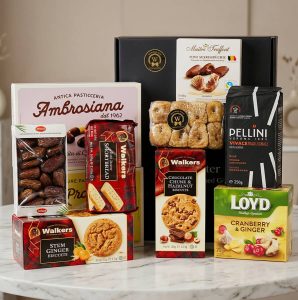
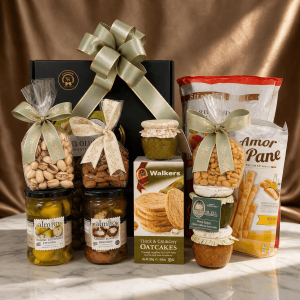
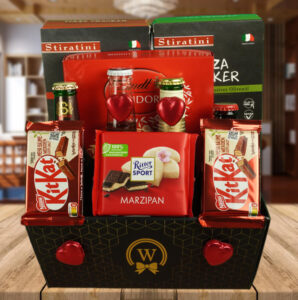
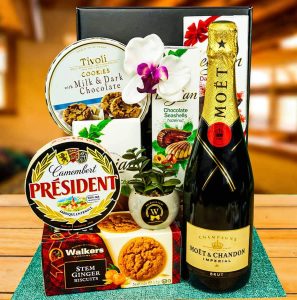
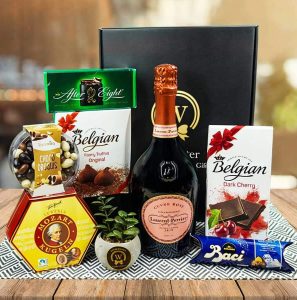
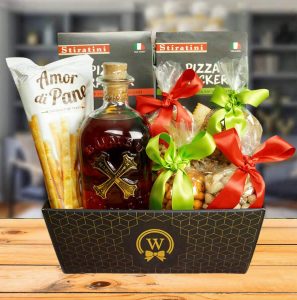
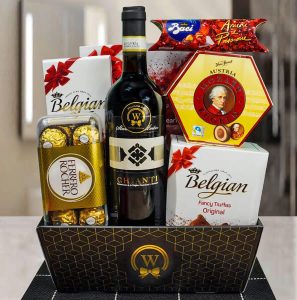
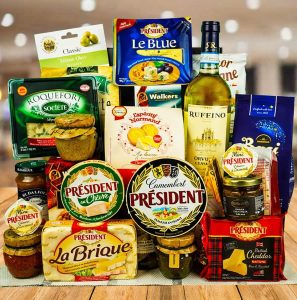
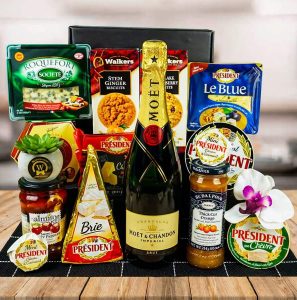
French clients respond to gifts with clear provenance: artisan food products, fine chocolates from a recognized producer, or champagne from a house with real heritage. A well-assembled hamper of genuinely curated European gourmet selections consistently outperforms an expensive but generic basket. Skip anything mass-produced, over-branded, or geographically careless, such as sending New World wine to a client based in Bordeaux wine country.
France, the one rule:
Curation quality matters more than price. What you choose reveals how well you know the recipient.
Gifting for German Clients: Precision, Practicality, and No Surprises
German business culture runs on reliability and clear professional boundaries. Gifting is not casual here. Getting it wrong signals that you’re either careless or unfamiliar with professional norms, neither of which helps a relationship you’re trying to grow.
Common Mistakes UK and US Companies Make
Sending a gift before the relationship has real substance is the most common misstep. In Germany, gifting is typically reserved for after a successful project or around the holiday season, not as an opening move. Anything that feels personal too early- a wine choice, a food item that assumes taste or dietary preference- creates discomfort rather than warmth. Cheap branded items land even worse in Germany than in France; a logo pen reads as a rounding error, and clients notice. Overly festive or decorative packaging also misses the mark, since subtlety is valued over spectacle. Ignoring dietary considerations is a real risk too. Germany has a higher proportion of dietary-aware recipients than most companies assume, so a hamper built entirely around pork products or alcohol without alternatives can land badly.
What Works Instead
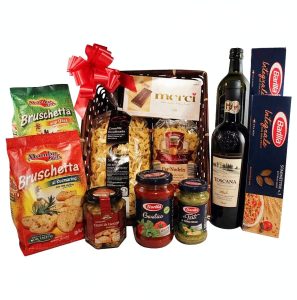
German clients respond well to gifts that are high quality, practical, and easy to share with a team. A premium food and drink hamper with clear European credentials, well-packaged but not over-decorated, performs consistently. Anchor the timing to something real: project completion, year-end, or a specific milestone, rather than a gift with no clear reason behind it.
Germany, the one rule:
Understatement wins. A premium gift in restrained packaging, sent at the right moment, beats an elaborate one sent too early every time.
Gifting for Italian Clients: Presentation Is Not Optional
In Italy, how a gift looks when it arrives carries as much weight as what’s inside it. Italian business culture is rooted in aesthetics, so a gift in an uninspiring box has already lost part of the test before it’s opened.
Common Mistakes UK and US Companies Make
Neglecting packaging quality is the single biggest error. A beautiful gift in a mediocre box is a contradiction Italian recipients notice immediately. Sending food without clear European provenance is another common mistake; Italian clients hold food to a high standard, and a hamper with no obvious artisan connection will be received politely but without real enthusiasm. Wine is a particular risk. Italy produces some of the most respected wine in the world, so sending an Italian client a bottle without clear prestige credentials is the equivalent of sending a French client a generic supermarket Bordeaux. Misreading the occasion is common too. Italian business gifting is closely tied to specific moments, Christmas, Easter, a client anniversary, a significant deal closing, and a gift with no occasion anchor can feel awkward rather than generous. Under-investing in ribbon, tissue, and box quality is a mistake in itself; in Italy these are expected elements, not decorative extras.
What Works Instead
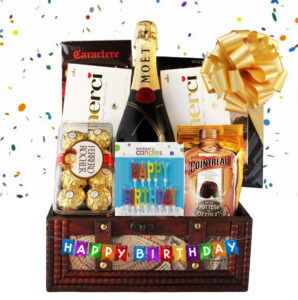
Invest in the full experience: premium products with European provenance, impeccable packaging, and a clear occasion behind the gift. Champagne, fine chocolates, and gourmet selections presented with care work because they signal an understanding of Italian standards.
Italy, the one rule:
Presentation is content, not decoration. If you wouldn’t be proud to display the packaging in a Milanese shop window, reconsider the choice.
Corporate Gifting by Country: A Quick Comparison
Country | Biggest Mistake to Avoid | What Works Instead | Best Timing |
|---|
France | Branded merchandise, over-explaining the choice, gifting too early | Curated artisan products, fine chocolate, heritage champagne | After rapport is established, year-end |
Germany | Sending gifts before real relationship substance, cheap branded items | Modest, practical, high-quality, shareable hampers | Project completion, Christmas, year-end |
Italy | Weak packaging, food with no clear provenance, no occasion anchor | Premium products with impeccable presentation, tied to a specific occasion | Christmas, Easter, deal closings, anniversaries |
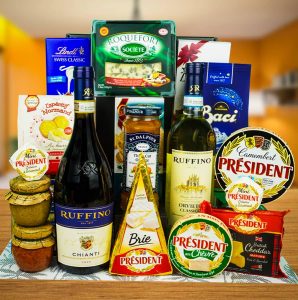
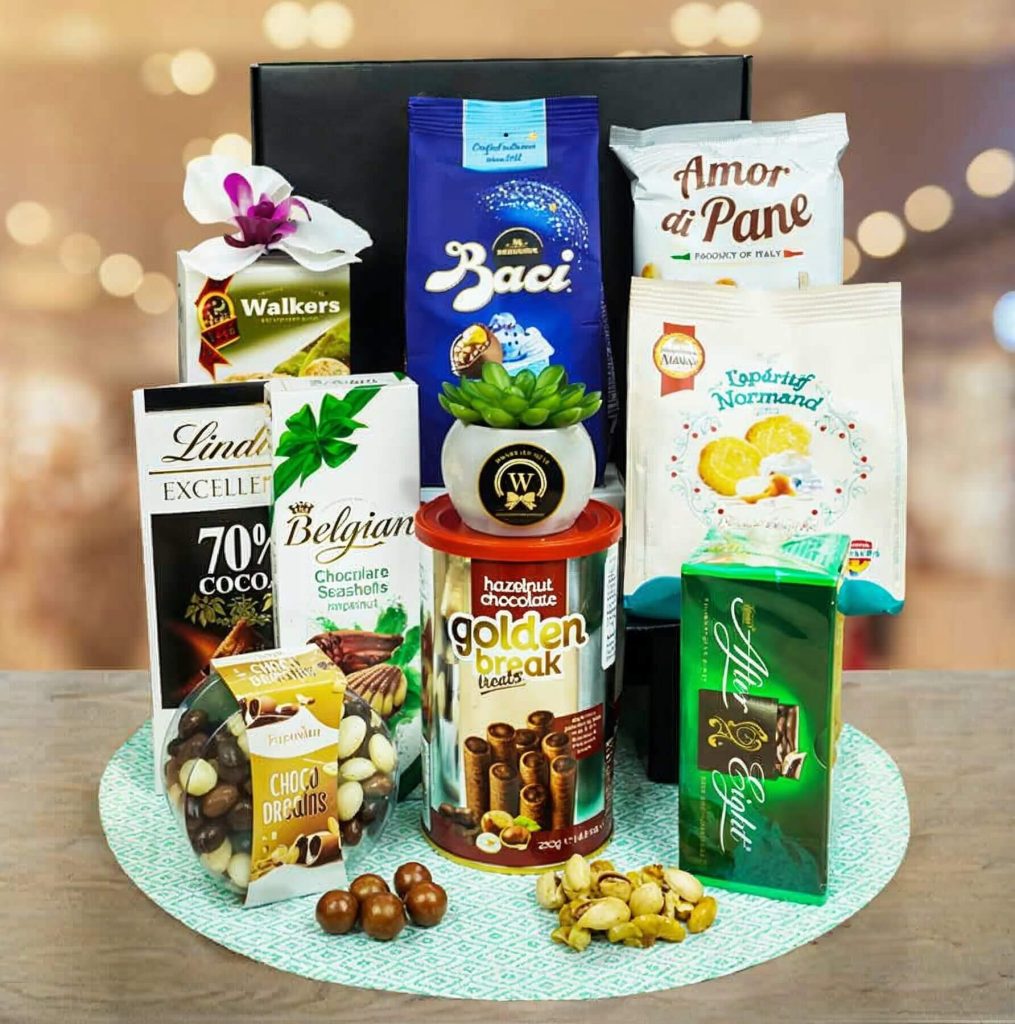
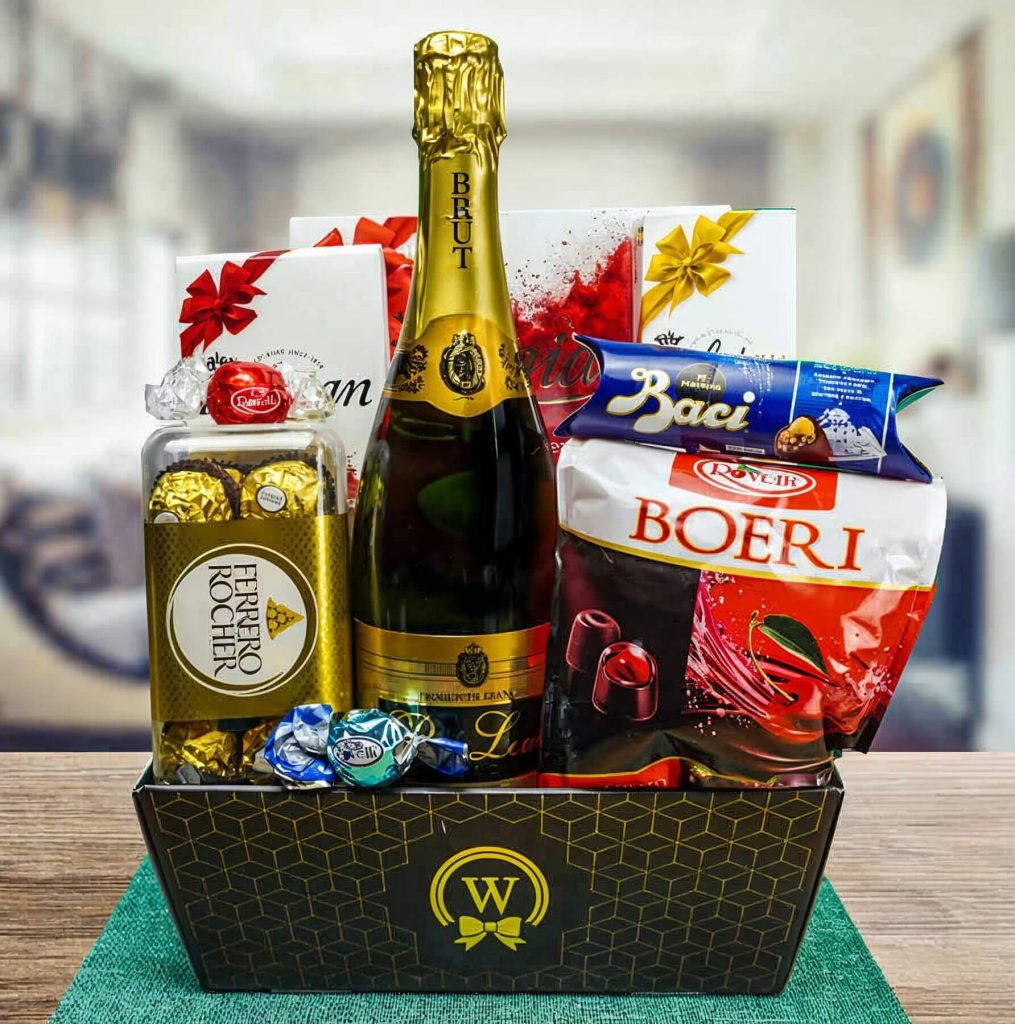
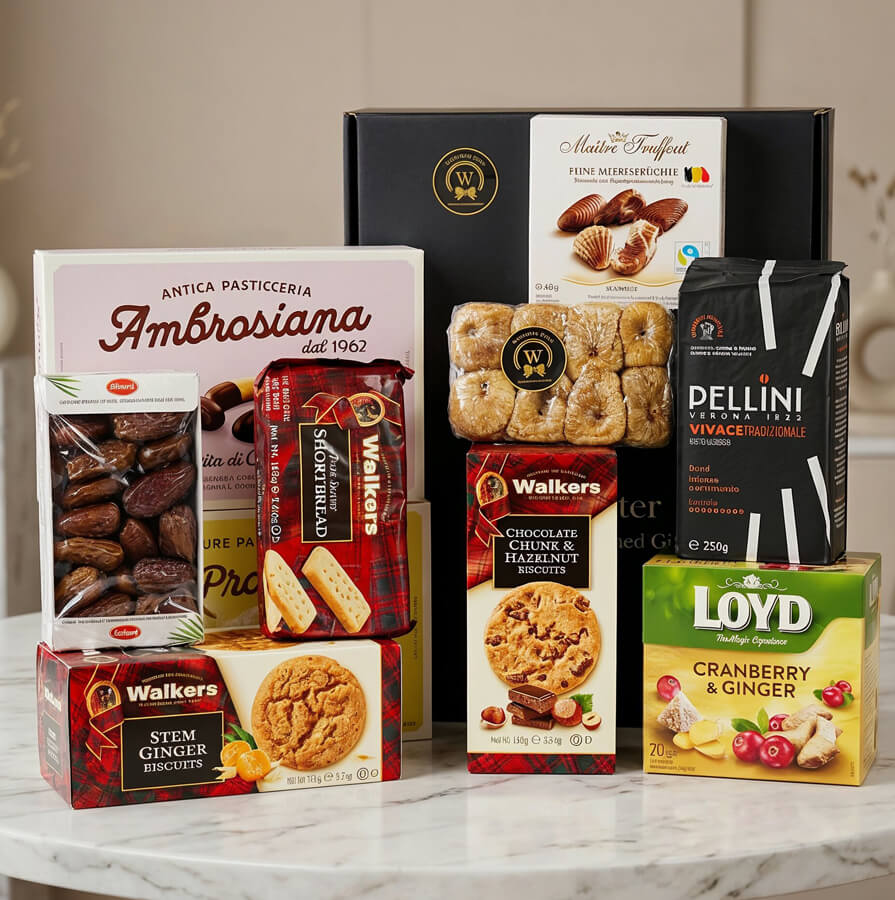
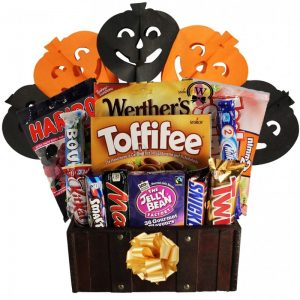
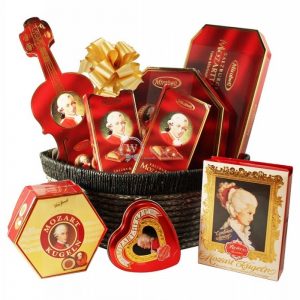
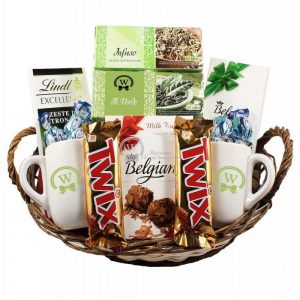
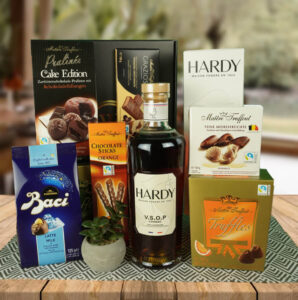
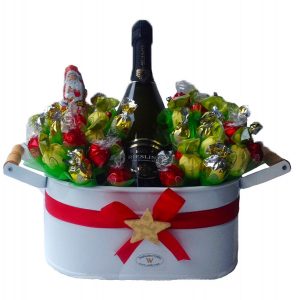
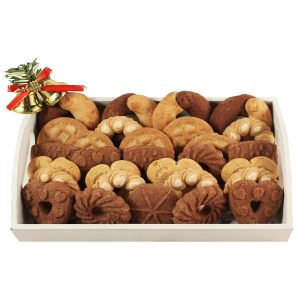
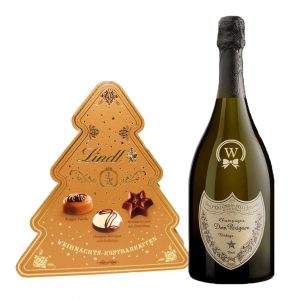
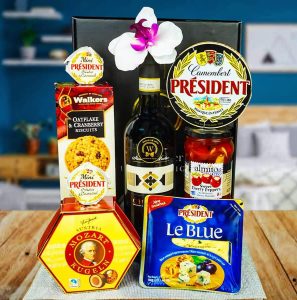
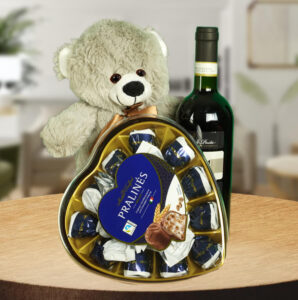
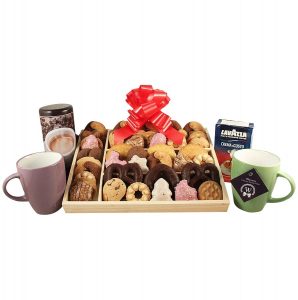
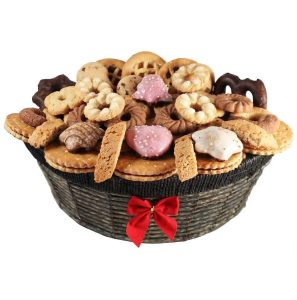
Best-Selling Corporate Gift Baskets for European Clients
Shipping a Gift Changes the Etiquette. Here's How to Adjust.
Most etiquette guidance for these three markets assumes an in-person exchange: handing the gift over, watching it get opened, reading the recipient’s reaction. When you’re sending a gift from the US or UK to a client’s office in Lyon, Munich, or Milan, several of those norms need adapting rather than ignoring.
Address the delivery, not just the recipient.
French etiquette generally frowns on sending a personal gift to someone’s home; for corporate gifting, shipping to the recipient’s office address keeps the gesture professional rather than overly familiar. Confirm the business address before ordering.
Let the card do the work an in-person exchange would normally do.
In Italy, a gift is traditionally opened in front of the giver, which isn’t possible when it arrives by courier. A well-written card that states the occasion clearly (a contract signing, a year of partnership, a holiday) gives the gift the context it would otherwise get from being handed over.
Coordinate timing across time zones and public holidays.
A gift timed for “before Christmas” in the US can land during a German office’s holiday closure if you don’t check the calendar. Build in a few extra days of buffer, particularly for December and Easter deliveries.
Decide whether the gift goes to one person or the whole team.
For client-facing accounts with multiple contacts, a single gift addressed to one individual can create an awkward dynamic if colleagues are present when it’s opened. For team accounts, a shareable hamper sent to the office, with a card naming the group, generally reads better than a personal gift to one contact.
How Much Should You Spend? Budget Levels by Gifting Moment
There’s no fixed legal ceiling on client gift value in most cases; what matters more is proportionality, your own company’s compliance policy, and whether the spend fits the relationship stage. Use broad tiers rather than chasing an exact number.
Budget Level Typical | l Use Case | Gift Style |
|---|
Practical | Light-touch thank-yous, event follow-ups, early-stage contacts | Small gourmet selection, modest and shareable |
Mid-range | Established relationships, year-end gifting, project milestones | Balanced hamper with genuine European provenance |
Premium | Significant account retention, major contract renewals | Curated hamper with strong presentation, restrained branding |
Luxury | Executive-level relationships, major deal closings | Prestige champagne or spirits paired with premium accompaniments |
Do You Need to Worry About Compliance and Anti-Bribery Rules?
If your company operates under US or UK anti-corruption law, there is generally no fixed dollar threshold that makes a gift automatically acceptable or automatically a problem. What matters is whether the gift is proportionate, transparent, tied to the relationship rather than a specific decision, and consistent with your own company’s internal gifting policy. Before a corporate gifting campaign, check your internal compliance guidelines, especially if any recipients work in the public sector, since many government roles in France, Germany, and Italy restrict or prohibit accepting gifts entirely. This is general guidance, not legal advice; if you’re unsure where your campaign sits, loop in your compliance or legal team before sending.
How to Choose and Send a Culturally Appropriate Corporate Gift to Europe
- Identify the relationship stage. A brand-new contact and a five-year client relationship call for different gifts and different timing. When in doubt, wait.
- Confirm the occasion. Year-end, a contract signing, a project completion, or an anniversary all work. A gift with no clear reason behind it is the most common thing that goes wrong.
- Match the country’s expectations. Use the comparison table above as a starting checklist for France, Germany, or Italy specifically, rather than sending one generic gift to every market.
- Check dietary and alcohol considerations. Confirm known dietary needs where possible, and choose a basket with vegetarian, gluten-free, or alcohol-free options if you’re not certain.
- Choose the delivery address deliberately. Default to the recipient’s office address unless you have a specific reason to do otherwise.
- Write a short, specific card. Reference the actual occasion or milestone. Keep it warm but professional, and avoid anything that reads as an attempt to influence a pending decision.
- Build in lead time. Standard single-gift orders typically ship quickly, but corporate branded orders, custom ribbon, company card inserts, or multi-recipient campaigns generally need one to two weeks of preparation depending on quantity. Order accordingly, especially around Christmas and Easter.
Before You Send: A 7-Point Cultural Gifting Checklist
Run every corporate gift through these questions before confirming the order.
- Is the product quality at a level a local specialist retailer in the recipient’s country would stock?
- Does the timing align with a clear occasion or relationship milestone?
- Is the packaging appropriate for the market: restrained for Germany, impeccable for Italy, tasteful for France?
- Have you avoided branded merchandise as the primary gift element?
- Does the gift accommodate likely dietary considerations?
- Is the gift shipping from within the EU to avoid customs delays and documentation surprises?
- Does the card message match the relationship stage: warm but professional, specific but not effusive?
How Walwater Gifts Can Help
Walwater Gifts, based in Slovenia, delivers gift baskets and hampers to recipients across 26 European countries, including France, Germany, and Italy. Customers can order from the US, Canada, the UK, Australia, Europe, and beyond. Because shipments move on intra-EU logistics rather than crossing customs borders, deliveries to EU countries avoid the export declarations, customs holds, and import VAT surprises that can otherwise land on a client’s desk.
The corporate range includes gift baskets and hampers suited to different budget levels and occasions, from light thank-you gestures to executive-level champagne selections. Every order includes a customer message printed on a designed greeting card, so the occasion is clear even when the gift arrives by courier rather than in person. Corporate branded orders, custom card inserts, ribbon, or multi-recipient campaigns generally need one to two weeks of preparation depending on quantity, so build that into your timeline. Availability and exact delivery options depend on the destination and season; check the product page and delivery details before ordering.
Frequently Asked Questions
Is it appropriate to send alcohol to French, German, or Italian clients?
Generally yes, provided it’s high quality and contextually appropriate. For France, avoid New World wine; choose champagne or an established European producer. For Germany, champagne or premium spirits with clear credentials work well. For Italy, champagne from a well-known house is the safer default; sending Italian wine to an Italian client requires either strong local knowledge or a recognizable label.
When is the best time to send corporate gifts to European clients?
Christmas and year-end are the most widely accepted moments across France, Germany, and Italy. Easter also works in France and Italy. Contract signings, anniversaries, and successful project completions are appropriate triggers year-round. Avoid unsolicited mid-year gifting with no clear occasion, particularly in Germany.
Should corporate gifts be personalized for European clients?
Light personalization, a handwritten note referencing a specific conversation or milestone, is appropriate and appreciated. Heavy personalization, such as engraving or monogramming, only works once the relationship is well established. Branded merchandise as the gift itself is not recommended in any of these three markets.
Is there a value limit I should follow for client gifts in Europe?
There’s no single legal ceiling that applies everywhere. What matters more is proportionality and your own company’s compliance policy. Keep early-relationship gifts modest, reserve premium or luxury tiers for genuine milestones, and check internal guidelines, especially for public sector contacts, before sending.
Should I ship the gift to my client’s office or their home address?
Default to the office address. French etiquette in particular treats a personal gift sent to someone’s home as overly familiar in a business context. An office delivery keeps the gesture professional and also avoids delays if no one is available to receive it at a private address.
Do I need to worry about anti-bribery rules when gifting European clients?
If your company operates under US or UK anti-corruption law, there’s generally no fixed dollar threshold that makes a gift automatically acceptable. Proportionality, transparency, and timing relative to any pending decision matter more than the price. This is general guidance, not legal advice; check with your compliance team if you’re unsure.
Should I send the same gift to every country I do business with?
It’s simpler, but it undercuts the point of cultural gifting. A gift that reads as generous and well-judged in one market can read as generic or careless in another. Where budget allows, match the gift to the country using the comparison points above rather than sending one gift to every recipient.
What should I write in a gift card message for a European business client?
Keep it warm but professional, and specific rather than generic. Reference the actual occasion, a contract signing, a year of working together, a holiday, rather than a vague thank-you. Avoid anything that could read as an attempt to influence a pending decision, particularly in France and Germany.
Is it okay to send a gift before signing a contract?
Generally no, in any of the three markets. French, German, and Italian business gifting norms all treat pre-deal gifting as premature and potentially presumptuous. Wait until after a contract is signed or a project milestone is reached.
How far in advance should I order corporate gifts for multiple European offices?
Standard single-gift orders typically ship quickly, but corporate branded orders and multi-recipient campaigns generally need one to two weeks of preparation depending on quantity. Order earlier around Christmas and Easter, when demand and courier volume both increase.
Can I send gifts to government or public sector contacts in Europe?
Approach this with caution. Many public sector roles in France, Germany, and Italy restrict or fully prohibit employees from accepting gifts. Confirm with your own compliance team and, where possible, the recipient’s organization before sending anything to a government contact.
What if I don’t know a client’s dietary restrictions or allergies?
Choose a basket with vegetarian, gluten-free, or alcohol-free options if you’re not certain, or confirm requirements with the recipient’s office before ordering. This matters particularly in Germany, where dietary awareness among recipients is common.
Do gift baskets need to be adapted for German, French, and Italian offices?
The contents can often stay similar (premium European gourmet products work across all three), but presentation, timing, and the accompanying message should adjust per market. Use restrained packaging for Germany, more elaborate presentation for Italy, and a concise, tasteful card for France.
What’s the difference between a personal gift and a corporate gift in these markets?
A personal gift assumes intimacy: knowledge of someone’s individual tastes, sent to a home address, tied to a personal occasion. A corporate gift stays professional: sent to a business address, tied to a business occasion, and free of anything that reads as overly familiar. Keep client gifts in the corporate category unless the relationship has genuinely moved beyond it.
Is branded merchandise ever appropriate?
As a small accompaniment, occasionally. As the primary gift, no, not in France, Germany, or Italy. A logo item reads as marketing rather than a gift in all three markets, and using one as your main gesture undercuts the impression you’re trying to create.
Can Walwater Gifts accommodate dietary requirements for recipients in these markets?
Yes. The team can advise on basket selections for common dietary requirements, including vegetarian, gluten-free, and alcohol-free options. Confirm requirements at order time so the right basket reaches the right recipient.
What is the minimum order for corporate gifting with Walwater Gifts?
Single-gift orders are accepted with no mandatory minimum. Corporate volume orders come with additional pricing benefits; contact the team through the corporate baskets page to discuss requirements for multi-recipient campaigns.
How does Walwater Gifts avoid customs delays when shipping to France, Germany, and Italy?
Because Walwater Gifts is based in Slovenia, within the European Union, shipments to EU countries move on intra-EU logistics rather than crossing a customs border. That generally means no export declarations, no customs holds, and no import VAT surprises landing on the recipient’s desk. Availability and delivery options can still vary by destination and season, so check the product page before ordering.