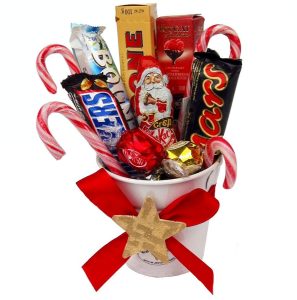
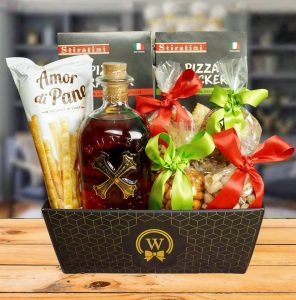
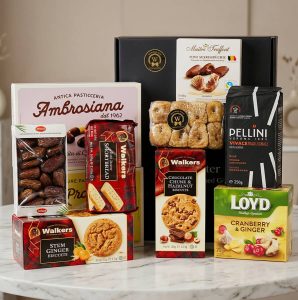
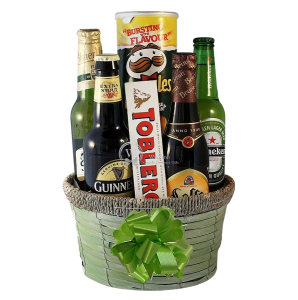
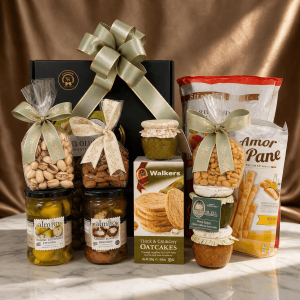
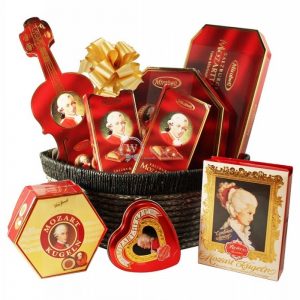
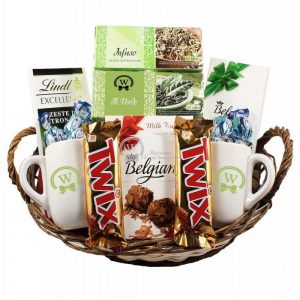
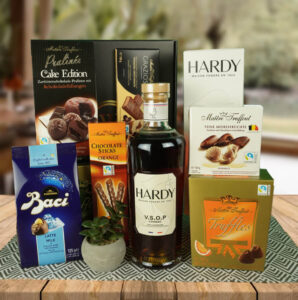
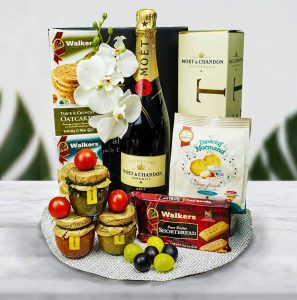
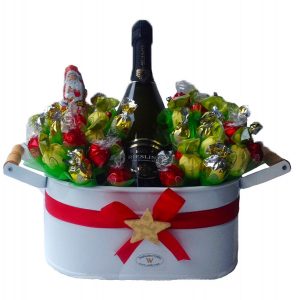
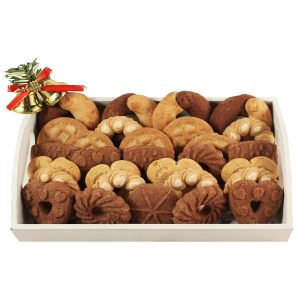
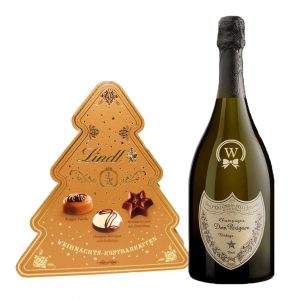
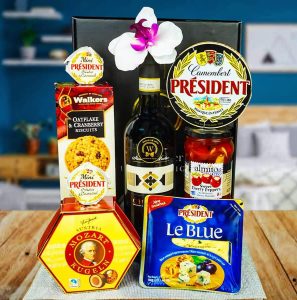
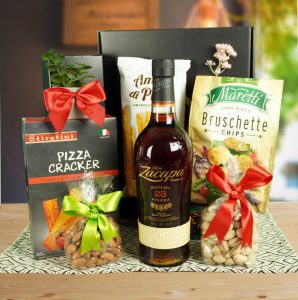
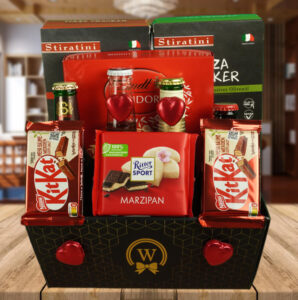
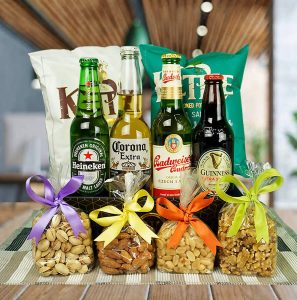
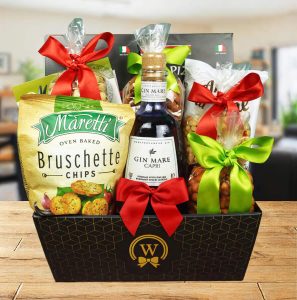
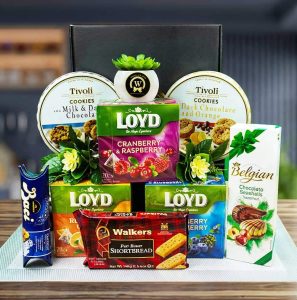
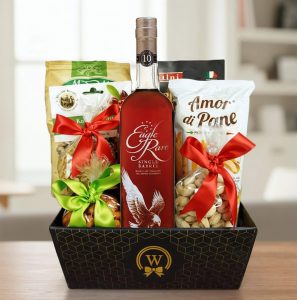
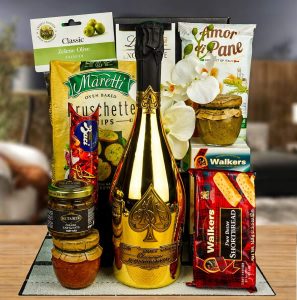
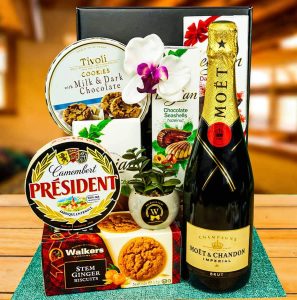
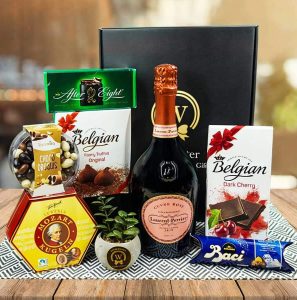
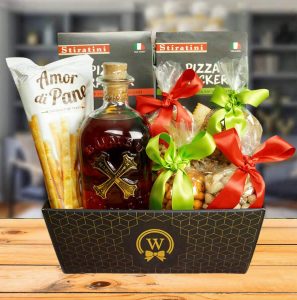
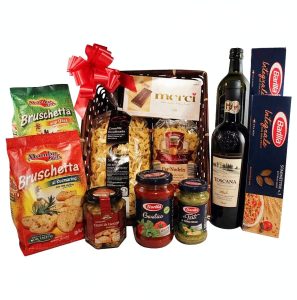
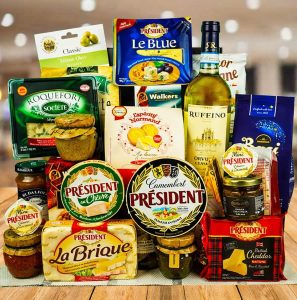
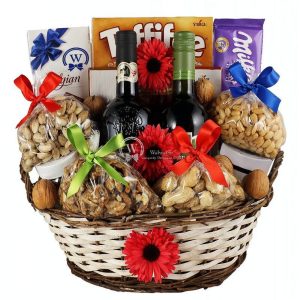
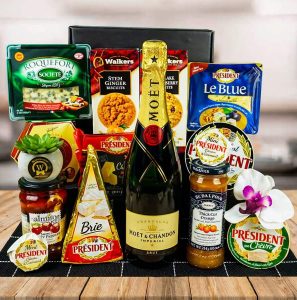
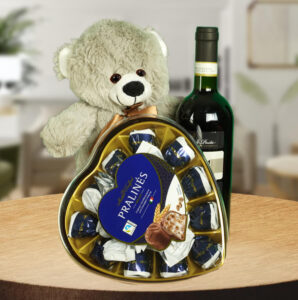
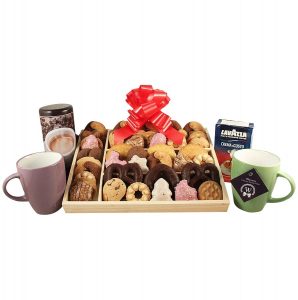
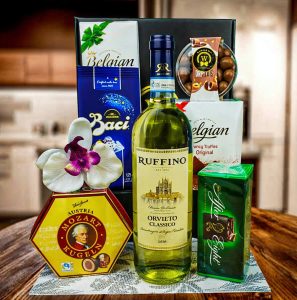
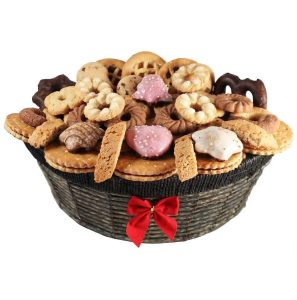
Yes, cultural and religious traditions can affect which sympathy gifts feel appropriate in Europe. There is no single rule for every country or family. Follow the funeral notice and the family’s wishes first. When unsure, choose a modest alcohol-free food hamper, check dietary requirements, use restrained presentation, and include a brief printed condolence message without religious language unless you know it is welcome.
Sending condolences across borders can feel difficult. You want to show care, yet you may not know the family’s faith, local customs, food rules, or wishes about flowers and donations.
Europe includes many religions, cultures, languages, and family traditions. Two families living in the same city may mourn very differently. Nationality alone does not tell you what a grieving household expects.
This guide offers a careful way to choose sympathy gifts in Europe. It explains which questions to ask, how Christian, Jewish, Muslim, Orthodox Christian, and secular traditions may affect the choice, what to avoid, how to write a condolence card, and how to arrange delivery from abroad.
Key Takeaways
- The family’s stated wishes are more important than a general country rule.
- Check the funeral notice for requests about flowers, donations, or no gifts.
- Do not assume a recipient’s religion from their name, nationality, or address.
- Alcohol-free gifts are safer when faith, health, or personal preferences are unknown.
- Food must match dietary rules, allergies, and household needs.
- Religious symbols should be sent only when you know they are welcome.
- Use a calm presentation and a short printed greeting on a designed card.
- A late sincere message is usually better than silence, but avoid pressuring the family to reply.
Is There One Sympathy Gift Etiquette for Europe?
No. Europe is not one mourning culture. Customs vary by religion, country, region, family, generation, and the wishes of the person who died. Some families welcome flowers and food. Others request donations, prefer no gifts, or follow religious dietary rules.
The safest approach is personal rather than stereotyped. Read the funeral announcement. Ask a close relative, colleague, funeral director, faith leader, or local contact when you are uncertain. A simple question such as “Would the family welcome food, flowers, or a donation?” can prevent an awkward choice.
If you cannot confirm the family’s wishes, select something modest, useful, and easy to share. Avoid alcohol, strong religious imagery, celebratory wrapping, and foods with unclear ingredients.
The Best Order for Making a Respectful Choice
- Follow the family’s request. A funeral notice, memorial page, or close relative may name a charity, request flowers, or say that no gifts are needed.
- Confirm the recipient and address. Decide whether the gift is for one mourner, the whole household, a workplace, or a faith community.
- Check religion only when known. Do not guess. If the family follows a faith tradition, confirm the relevant food and gift customs.
- Review dietary needs. Check alcohol, pork, kosher or halal requirements, allergies, vegan choices, and other restrictions.
- Choose restrained presentation. Sympathy packaging should feel calm and dignified. Avoid balloons, celebration wording, or bright party themes.
- Write a simple message. Name the person who died when appropriate, express sympathy, and do not ask for a reply.
- Order with time to spare. Delivery estimates can change, so avoid promising arrival before a funeral or memorial service.
Quick Cultural and Religious Guide
Tradition or Setting | Often Appropriate | Check or Avoid |
Christian family | Flowers, food, charity gift, simple card | Denomination, funeral notice, alcohol |
Orthodox Christian family | Food, flowers, memorial donation, card | Fasting periods, local parish customs |
Jewish shiva household | Coordinated kosher food, charity donation | Flowers, unverified kosher food, timing |
Muslim household | Halal food, practical support, simple message | Alcohol, pork, religious assumptions |
Secular family | Food hamper, donation, flowers if requested | Religious symbols and fixed phrases |
Workplace condolence | Shareable alcohol-free hamper, team card | Private details, costly or personal gifts |
Christian Sympathy Gift Customs in Europe
Christian traditions across Europe include Catholic, Protestant, Anglican, Orthodox, and many other communities. There is no universal Christian rule requiring a particular sympathy gift. Flowers, food, cards, charitable donations, and practical support may all be appropriate, depending on the family.
Catholic Families
Catholic funerals may include prayers, a church service, a vigil, or a memorial Mass. A modest flower arrangement, food for the household, or a donation requested by the family can be suitable. Do not assume that rosaries, crosses, or other religious items are wanted. Send them only when you know the recipient would appreciate them.
Protestant and Anglican Families
Practices vary greatly between denominations and families. Some funeral notices invite flowers, while others request donations to a church, hospice, or charity. The Church of England notes that families may have specific wishes about flowers or charitable donations. Follow those instructions rather than relying on a general rule.
Orthodox Christian Families
Orthodox memorial customs can involve services and gatherings after the funeral, but timing and practice differ by church and local community. Food may be welcome, especially when a household is receiving visitors. Check for fasting rules, alcohol preferences, and advice from the family or parish before choosing a hamper.
Jewish Sympathy and Shiva Gifts
Jewish mourning includes structured practices, but observance levels differ. Shiva is a period when close family members may receive visitors at home. According to Chabad guidance, no gift is expected at a shiva visit, though food for mourners and guests may be brought. Someone may already be coordinating meals.
If you send food, it should meet the family’s kosher standards. “Kosher style” is not the same as certified kosher. When you cannot verify suitability, a donation to a charity chosen by the family may be safer.
Flowers are not a standard Jewish mourning practice, although individual families differ. Do not treat this as a rule about every Jewish person. Follow the funeral notice or ask the household. Avoid deliveries during religious observances unless the family or organizer confirms the timing.
Muslim Sympathy Gift Customs in Europe
Muslim families may value practical help, food for visitors, prayer, and quiet presence. Customs can also reflect the family’s country of origin and local community. Do not assume that every Muslim household follows the same practice.
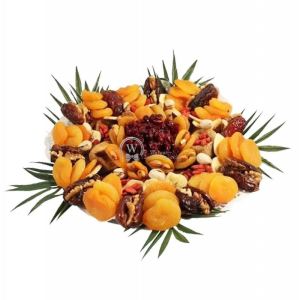
Alcohol and pork products should be avoided. Food should be halal when the family observes halal requirements. Check ingredients, preparation, and certification instead of relying on a product name. A simple alcohol-free gift with dates, nuts, dried fruit, biscuits, or other clearly suitable foods may work when verified.
Keep the message respectful. If you know the family welcomes Islamic condolence phrases, you may use one correctly. Otherwise, plain language such as “I am very sorry for your loss” is sincere and safe.
Secular and Mixed-Faith Families
Many European households are secular, mixed-faith, or private about religion. Do not add religious symbols or prayers unless you know they suit the recipient. A calm food hamper, charity donation, or simple card can express support without making assumptions.
Mixed-faith households may combine traditions or prefer none. If the gift is for several people, choose food that everyone can share. An alcohol-free hamper with clear ingredients is often the easiest starting point, but allergies and dietary needs still matter.
Country Customs: Use Them as Clues, Not Rules
Country guides can help you ask better questions, but they should not be treated as instructions for every family. A person in Italy may be Muslim, Jewish, Orthodox, Catholic, secular, or part of another community. A family in Sweden may prefer flowers, food, donations, or no gifts at all.
Avoid claims that one flower colour, food, candle, or mourning period always applies across a whole country. Regional customs change, and families make personal choices. The funeral notice and direct guidance remain the strongest sources.
When Sending to Another Language Region
A short message in the recipient’s language can feel thoughtful, but accuracy matters. If you are not certain of the translation, write in a language the recipient understands. Names and sincere memories often matter more than a formal phrase copied from the internet.
Are Flowers, Food, Candles, or Donations Appropriate?
Flowers
Flowers are common in many European funeral traditions, but not every family wants them. The notice may request donations instead. Flower types and colors can carry local meanings, so use a florist familiar with the destination or ask the family. Do not assume that white flowers are automatically correct everywhere.
Food Hampers
Food can help a household receiving visitors or managing daily tasks during grief. Choose shelf-stable items that are easy to share. Confirm allergies, religious requirements, and whether the family already has organized meals. Avoid describing food as emotional or physical treatment.
Candles and Keepsakes
A candle or memorial item can feel meaningful to some recipients and intrusive to others. Check religious practice, fire safety, living arrangements, and personal taste. Avoid personalized keepsakes unless you know the family well and have accurate names and dates.
Charitable Donations
A donation can be a respectful choice when the funeral notice names a charity, hospice, church, synagogue, mosque, community group, or cause. Follow the stated instructions and include the deceased person’s name where requested. Do not choose a controversial cause on the family’s behalf.
How to Choose a Sympathy Hamper
Gift Type | Best When | Important Check |
Alcohol-free gourmet | Religion or preferences are unknown | Ingredients and allergens |
Nuts and dried fruit | The family enjoys these foods | Nut allergy and dietary rules |
Chocolate and biscuits | A shareable household gift suits | Dairy, gluten, nuts, certification |
Coffee and tea | The family already enjoys them | Caffeine and religious practice |
Wine or spirits | The recipient clearly welcomes alcohol | Faith, health, age, and medication |
Charity donation | The family names a cause | Correct charity and memorial details |
What Should You Avoid?
- Assuming religion from a surname, nationality, clothing, or address.
- Claiming that one custom applies to an entire European country.
- Sending alcohol when the recipient’s preferences are unknown.
- Sending pork, gelatin, or unclear ingredients to a household with religious food rules.
- Labelling food kosher or halal without reliable confirmation.
- Using religious symbols when you do not know the family’s beliefs.
- Choosing bright celebration packaging, balloons, or cheerful occasion wording.
- Making the gift about the sender or expecting a thank-you message.
- Sending directly to a funeral venue without approval.
- Promising a delivery date that the courier cannot guarantee.
What Should You Write on a Sympathy Card?
A condolence message should be brief, sincere, and focused on the bereaved person. Walwater Gifts prints the customer’s message on a designed greeting card. Check every name carefully before submitting the order.
Simple Message
I am very sorry for your loss. I am thinking of you and your family during this difficult time.
When You Knew the Person Who Died
I will always remember Maria’s kindness and warm sense of humor. Please accept my deepest condolences.
From Colleagues
All of us are thinking of you. Please accept our sincere condolences. There is no need to reply.
Non-Religious Message
Wishing you strength and comfort in the days ahead. Your family is in our thoughts.
Religious Message
Use a religious phrase only when you know it reflects the family’s beliefs. A plain message is better than a prayer or quotation that may feel inaccurate or impersonal.
When Should You Send the Gift?
A sympathy gift can be sent after you hear the news, before the funeral, shortly afterward, or later when initial support has faded. There is no single deadline. Follow the family’s schedule and avoid creating delivery work during a funeral service.
Home delivery is often easier than a funeral home, church, cemetery, or memorial venue. If sending to a venue, confirm that staff will accept, identify, and store the parcel. A late sincere gift is still meaningful, especially with a note acknowledging the timing without making excuses.
How to Send Sympathy Gifts Across Europe from Abroad
- Choose a respectful gift. Select a modest hamper or condolence gift that suits the recipient’s known culture, faith, diet, and household.
- Confirm the destination. Check that the selected item can be delivered to the exact European address.
- Enter complete details. Include the recipient’s full name, street, building, apartment, postcode, city, telephone number, and access notes.
- Add the condolence message. Use correct names and write a short message for the printed greeting on a designed card.
- Review the contents. Check alcohol, allergens, dietary certification, substitutions, and presentation before paying.
- Choose an available option. Review the estimated delivery time and order early when timing matters.
Sympathy Gifts for Colleagues, Employees, and Clients
Business condolences should respect privacy. Do not mention a diagnosis, cause of death, or family detail unless it has been publicly shared. A team message and a modest alcohol-free hamper are often suitable. Check the company’s gift policy and confirm who will receive the parcel.
For employees, practical support may matter more than a costly gift. For clients or business partners, keep the tone formal and avoid branding that turns a condolence into promotion. The deceased person and grieving family should remain the focus.
How Walwater Gifts Helps
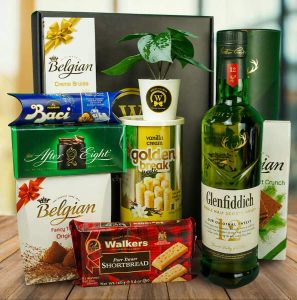
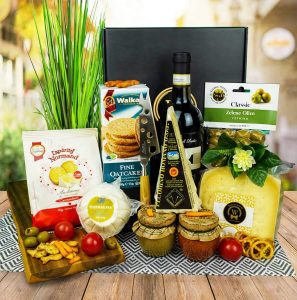
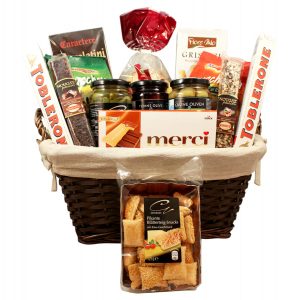
Walwater Gifts is a European gift company helping customers send personal and business gifts across Europe. Our sympathy selection includes chocolate, biscuits, nuts, dried fruit, gourmet food, alcohol-free options, and other carefully presented hampers. Availability and contents vary by product, destination, and season.
Customers ordering from the USA, Canada, the UK, Australia, Europe, and other countries can select a gift, add a personal condolence message, and enter the recipient’s European address. We print the message on a designed greeting card. Delivery options depend on the selected product and destination.
We cannot determine a family’s religion or private customs. Customers should share known dietary or cultural needs and contact us before ordering when suitability is uncertain.
Frequently Asked Questions
Are there cultural rules for sympathy gifts in Europe?
Yes, but they differ between countries, regions, religions, and families. No rule fits every European household. Follow the funeral notice and the family’s wishes. Ask a close contact when possible. If you cannot confirm preferences, choose a modest alcohol-free gift with clear ingredients and restrained presentation.
What is the safest sympathy gift to send in Europe?
A simple alcohol-free food hamper with clearly listed ingredients is often a practical choice, but it is not automatically suitable. Check allergies, dietary restrictions, halal or kosher requirements, and the household’s wishes. A charitable donation requested by the family may be safer than a physical gift.
Can I send flowers to a grieving family in Europe?
Flowers are accepted in many settings, but not every family wants them. Some funeral notices request donations or no flowers. Flower meanings can vary locally. Follow the notice, ask the family, or use a florist familiar with the destination. Do not assume one colour is correct everywhere.
Is food an appropriate European sympathy gift?
Food can be helpful for a household receiving visitors or managing daily life after a death. Choose easy-to-share, shelf-stable items. Confirm allergies, dietary rules, and whether meals are already being coordinated. Avoid alcohol and unclear ingredients when the family’s preferences are unknown.
What should I send to a Jewish family sitting shiva?
No gift is required. Food may be welcome, especially when meals are being coordinated, but it must meet the family’s kosher standards. Ask the organizer before sending. A donation to a charity named by the family can also be appropriate. Do not assume flowers are wanted.
What sympathy gift is suitable for a Muslim family?
Consider verified halal food, dates, nuts, dried fruit, or another modest alcohol-free gift if the family welcomes deliveries. Avoid alcohol and pork ingredients. Do not label a product halal without reliable confirmation. A plain condolence message is suitable when you do not know the family’s preferred religious wording.
Are sympathy gifts different for Catholic families?
Catholic families may welcome flowers, food, Mass intentions, cards, or donations, but preferences vary. Follow the funeral notice and local parish or family guidance. Do not send a rosary, cross, or other religious item unless you know the recipient wants it.
What should I send to an Orthodox Christian family?
Food, flowers, or a memorial donation may be appropriate, depending on the family and church community. Check local customs, fasting periods, ingredients, and alcohol preferences. Ask a close relative or parish contact when the memorial schedule or food requirements are unclear.
Can I send wine in a sympathy hamper?
Only send wine when you know the adult recipient welcomes alcohol. Faith, health, medication, recovery, and personal preference can make alcohol unsuitable. An alcohol-free hamper is safer when you are unsure. Review the exact product contents before ordering.
Can I send a sympathy gift to a secular family?
Yes. Choose a simple food hamper, flowers if requested, a charity donation, or a thoughtful card. Avoid religious symbols and prayers unless you know they are welcome. A short personal memory or sincere message can feel more meaningful than a formal religious phrase.
Should a sympathy gift arrive before or after the funeral?
Either can be appropriate. Send it when the family can receive it without extra work. Home delivery before or after the service is often easier than venue delivery. A gift sent later can still matter, especially after the first wave of support has passed.
Can I request delivery on the funeral date?
You may review available delivery options, but an exact arrival date cannot always be promised. Preparation, weekends, holidays, address issues, remote areas, and courier conditions can affect timing. Do not send to the service venue unless someone has confirmed that staff will accept the parcel.
Can I include a condolence message?
Yes. Walwater Gifts prints your message on a designed greeting card. Keep it brief, use the correct names, and avoid asking for a reply. Do not use religious wording unless you know it matches the family’s beliefs. A sincere, plain message is always acceptable.
What should a business send when an employee is bereaved?
A modest alcohol-free hamper, flowers upon request, a team card, or a donation to the family’s chosen charity may be suitable. Respect privacy and company policy. Do not mention private details. Coordinate one delivery so the employee is not overwhelmed by separate workplace gifts.
Can I send sympathy gifts from the USA, Canada, the UK, or Australia?
Yes. Customers can order from abroad for delivery to supported European destinations. Enter the recipient’s complete local address and working telephone number. Product availability, payment options, and delivery estimates depend on the selected gift and destination.
What if I do not know the family’s religion?
Do not guess. Choose neutral wording and a restrained alcohol-free gift, then check ingredients and allergies. Avoid religious symbols, alcohol, pork products, and claims of halal or kosher suitability without confirmation. A close friend, colleague, or funeral notice may provide guidance.
Is it too late to send condolences after several weeks?
No. Grief continues after the funeral, and early messages have stopped. Send a simple note acknowledging that you are still thinking of the person. Do not overexplain the delay. Confirm that the recipient remains at the address before arranging delivery.
Send Condolences with Care
The most respectful sympathy gift follows the family’s wishes and avoids assumptions. Browse Walwater Gifts for sympathy hampers, alcohol-free gifts, gourmet food, chocolate, nuts, dried fruit, personal gifts, and business condolences across Europe. Check the contents, add a sincere message, and order with time to spare.
Browse Sympathy and Condolence Gifts for Europe