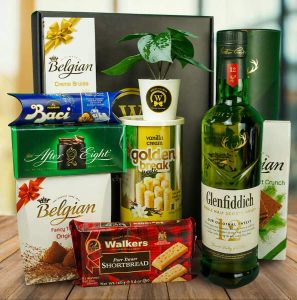
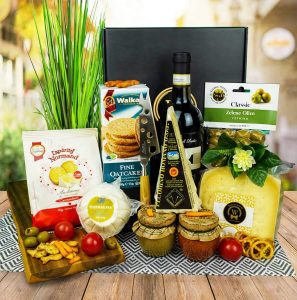
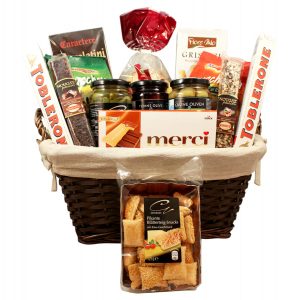
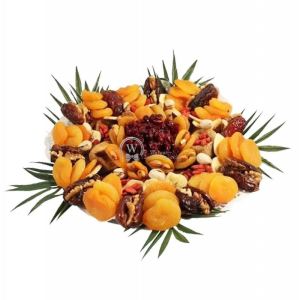
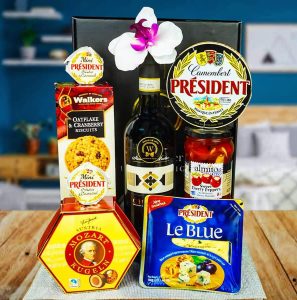
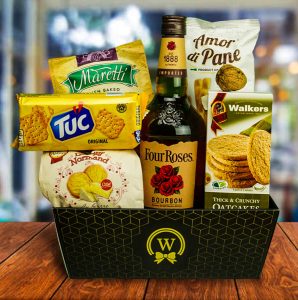
When you're putting together a condolence hamper for someone grieving in Europe, two questions come up almost immediately - and they're among the most practically important ones you'll face before placing your order.
The first: Can I include alcohol? Is wine or spirits appropriate, or does it send the wrong message?
The second: What about food? What kinds of food items are actually allowed – and which ones travel well, arrive safely, and are genuinely appropriate for someone in the middle of grief?
These aren’t trivial questions. Get the answers wrong, and you could send a hamper that misses the moment entirely – or worse, one that causes discomfort for someone already carrying an enormous emotional weight. Get them right, and you’ll send something that arrives beautifully, nourishes genuinely, and communicates exactly the care and thoughtfulness you intended.
At Walwater Gifts, our dedicated sympathy and condolence hamper collection – available at sendgiftsineurope.com/sympathy-and-condolence-gifts/ – has been built around these exact questions. Every product decision we’ve made in this collection reflects hard thinking about what is appropriate, what is practical, and what actually helps a grieving person in the days, weeks, and months following a loss.
This article gives you a clear, honest, complete answer to both questions – the appropriateness of alcohol in a sympathy hamper, the rules around food items in European deliveries, and what actually belongs in a condolence hamper sent to Europe if you want it to land with the warmth and care it deserves.
The Alcohol Question: Is It Appropriate to Include Wine or Spirits in a Sympathy Hamper?
Let’s deal with this one directly, because it’s the question most people feel uncertain about – and the one where the wrong choice has the most potential to backfire.
The Cultural Expectation vs. The Reality
There’s a common instinct, particularly among people who regularly give wine as a gift, to include a bottle in a condolence hamper. Wine is a universally appreciated gift in most social contexts. It feels generous and sophisticated. It’s something the recipient can enjoy.
But a sympathy hamper is not a social gift in the ordinary sense. It’s a grief gift. And those two categories have fundamentally different rules.
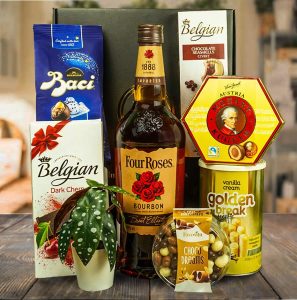
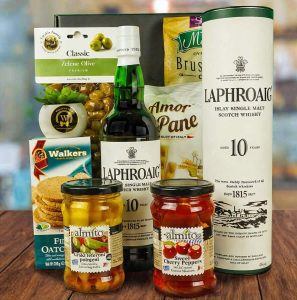
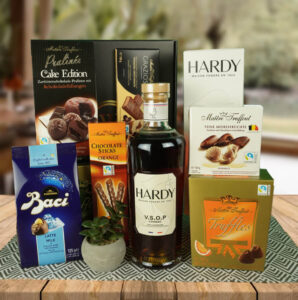
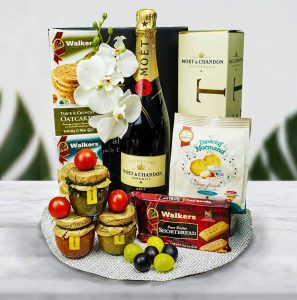
Here’s the core problem with including alcohol in a condolence hamper: alcohol is culturally coded as a celebratory item. Wine at a dinner party. Champagne at a wedding. Whisky as a toast. Even when we drink casually or quietly, alcohol carries these associations – and in the context of grief, those associations create a tonal conflict that grieving recipients often notice and occasionally find jarring.
This isn’t a minor aesthetic concern. It’s about what your gift says when it arrives. A condolence hamper is meant to say: I’m thinking of you in your sadness. I want to bring you comfort. A bottle of wine or Champagne risks saying something closer to: Here’s something to celebrate with – or, at worst, here’s something to dull the pain. Neither of those is the message you want to send.
The Practical and Wellbeing Concerns
Beyond the cultural dimension, there are real practical and well-being reasons to avoid alcohol in sympathy hampers.
Not everyone drinks. This seems obvious, but it’s easily overlooked when you’re choosing a gift in a hurry. A significant portion of the European population doesn’t consume alcohol – for religious reasons, health reasons, personal preference, or recovery from alcohol dependency. Sending alcohol to someone who doesn’t drink is at best an awkward miss and at worst genuinely uncomfortable.
Grief and alcohol are a vulnerable combination. The acute phase of grief significantly increases vulnerability to using alcohol as a coping mechanism. Mental health professionals consistently note that bereaved individuals are at elevated risk for unhealthy alcohol use in the weeks following a loss. A condolence hamper that includes alcohol – however innocently intended – introduces that element into an already vulnerable situation.
Alcohol complicates European cross-border shipping. From a purely logistical standpoint, alcohol creates significantly more complexity in European customs and shipping. Alcohol is subject to excise duties across most European jurisdictions, and these duties apply at lower thresholds than standard gift exemptions. This means a hamper containing alcohol is more likely to attract customs fees for the recipient – precisely what you want to avoid in a condolence gifting context.
So: Should You Include Alcohol in a Sympathy Hamper?
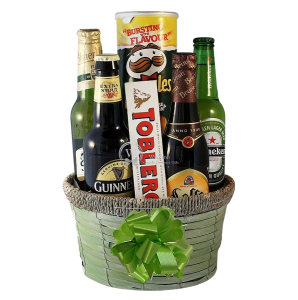
Our clear recommendation – and the position reflected in the Walwater Gifts sympathy collection at sendgiftsineurope.com/sympathy-and-condolence-gifts/ – is no. Alcohol does not belong in a condolence hamper. Not wine. Not Champagne. Not spirits. Not beer. And not even a small bottle of something “just to have.”
There are far better ways to create a hamper that feels generous, warm, and genuinely comforting – all without the tonal and practical complications that alcohol introduces.
The exception – and it is a narrow one – would be a situation where you know the recipient extraordinarily well, you are certain they drink regularly and would genuinely appreciate a bottle, and you are sending to an EU address where no customs complications arise. Even then, the alcohol should not be the centrepiece of the hamper, and it should be positioned as a gentle addition rather than a central statement.
For the vast majority of condolence gifting situations, leave the wine out and invest that portion of the budget in items that offer comfort without complication.
The Food Question: What Food Items Can You Include in a European Sympathy Hamper?
Food in a sympathy hamper is not just appropriate – it’s essential. Nourishment is one of the most fundamental needs of a grieving person, and food that arrives ready to eat, requires no preparation, and provides genuine sustenance is one of the most practical and caring things you can send.
But not all food items are created equal for European delivery. The type of food matters – for appropriateness, for shelf life, for customs compliance, and for the practical reality of what a grieving household can actually manage. Here’s a comprehensive guide to what works, what doesn’t, and why.
What Works Brilliantly: Non-Perishable, Shelf-Stable Food Items
These are the gold standard for European sympathy hampers. Non-perishable food items have several qualities that make them ideal for condolence gifting across European distances:
They travel well without refrigeration. They arrive in the same condition they were packed. They don’t create pressure on the recipient to use them immediately. They can be accessed at whatever pace the recipient needs – today, next week, or the week after. And they go through European customs without restriction.
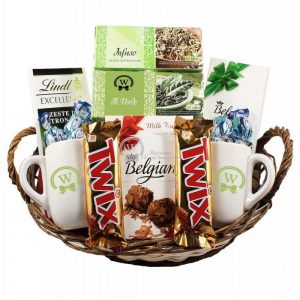
Premium teas and herbal infusions sit at the top of this category. A curated selection of quality loose-leaf teas – chamomile for sleep support, warming spiced blends, classic black teas, peppermint for digestive comfort – is arguably the single most universally appropriate food item in a sympathy hamper. Tea is associated with comfort, calm, and the small rituals that help anchor a grieving person to their day.
Specialty coffee is the parallel choice for coffee drinkers. Single-origin ground coffee or quality whole beans, presented beautifully, support the daily ritual that grieving people often cling to as one small act of normality. A quality coffee is not just a gift – it’s an invitation to sit down, breathe, and have a moment of quiet.
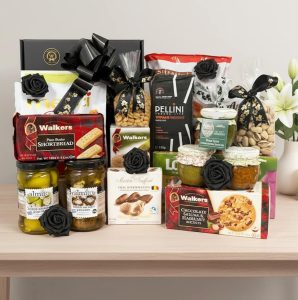
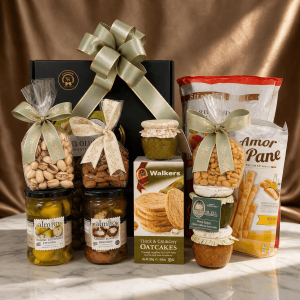
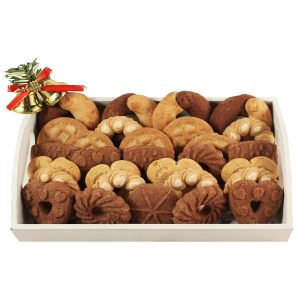
Artisan biscuits and shortbreads are ideally suited to sympathy hampers. They require no preparation. They pair naturally with tea or coffee. They have excellent shelf life. And they provide genuine sustenance – something a grieving person can eat easily, without effort, at any moment when appetite briefly returns.
Premium hot chocolate is a deeply comforting choice – associated with warmth, safety, and emotional comfort in a way that few other foods are. A quality drinking chocolate tin, made with warm milk, is a small but meaningful invitation to sit quietly with something warm.
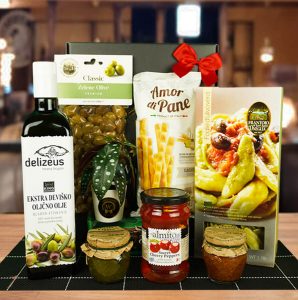
Artisan preserves, jams, and honey are excellent sympathy hamper inclusions. A beautiful jar of fine marmalade, a handmade berry jam, or a jar of raw wildflower honey transforms the simple act of making toast into a small moment of quality and pleasure. They have a long shelf life, travel perfectly, and communicate care through their artisanal quality.
Quality nuts and seeds – cashews, almonds, walnuts, a premium mixed selection – provide protein and slow-releasing energy in a format that requires zero preparation. For someone whose appetite is disrupted and who can’t face a full meal, a handful of good nuts offers genuine sustenance when it’s most needed.
Fine chocolates and artisan confectionery deserve careful selection but absolutely belong in a sympathy hamper when chosen thoughtfully. A small, beautiful box of handmade dark chocolate truffles, or a slim bar of single-origin dark chocolate from a respected producer, is comforting, genuinely special, and appropriate in a condolence context – particularly when the packaging is understated and elegant rather than bright or festive.
Artisan crackers and crispbreads add variety and texture to a hamper. They pair naturally with preserves, nut butters, or soft cheeses if the recipient has any available, but are equally good on their own. Choose premium, lightly flavoured varieties rather than novelty options.
What Doesn’t Work: Perishable and Restricted Food Items
Some food items that seem perfectly natural in a gift context are genuinely problematic for European sympathy hamper delivery – either because they perish in transit, create practical burdens for the recipient, or face restrictions at customs borders.
Fresh cheeses and dairy products are the most common mistakes. Soft and semi-soft cheeses require refrigeration, have short shelf lives, and don’t travel well across the distances involved in European delivery. A grieving household that receives a cheese board as part of a hamper may not have the refrigerator space or the emotional bandwidth to manage it appropriately. The result is often food that goes to waste – and a gift that creates pressure rather than comfort.
If you want to include something cheese-adjacent, choose vacuum-packed aged hard cheeses (like properly wrapped Parmigiano Reggiano or aged Gouda) which have significantly longer shelf lives and travel better than fresh varieties. Or skip cheese entirely and invest that portion of the budget in other premium items.
Fresh fruits and vegetables are generally not appropriate for sympathy hampers. Beyond the perishability concern, fresh produce is available everywhere and doesn’t communicate the thoughtfulness and quality that a condolence hamper should express.
Cured meats and charcuterie requiring refrigeration have the same problem as fresh cheeses – they need refrigeration after opening and create logistical pressure. Shelf-stable vacuum-packed cured meats (properly processed salami, cured sausages in sealed packaging) are a different matter and can work, but they require careful selection of products specifically designed for ambient temperature storage.
Baked goods and fresh pastries perish quickly and don’t survive European delivery in good condition. What arrives as a beautiful fresh loaf or a box of croissants in theory arrives as a stale, compressed disappointment in practice. Leave fresh baked goods off the list entirely.
Raw ingredients and cooking components – spices, raw grains, pasta that needs cooking, recipe kits – are entirely wrong for a sympathy hamper. A grieving person should not have to cook anything. The guiding principle is that everything in the hamper should be immediately and effortlessly accessible. Anything that requires preparation, decision-making, or effort doesn’t belong.
Food Items and European Customs: What You Need to Know
For sympathy hampers being sent to European addresses – whether you’re ordering from within Europe or from elsewhere in the world – it’s useful to understand how food items interact with European customs regulations.
Within the EU: Non-perishable packaged food items travel freely between EU member states with no customs restrictions, no import duties, and no declaration requirements. A hamper containing teas, biscuits, chocolates, preserves, coffee, and nuts moves from Germany to France, Spain to Poland, or the Netherlands to Italy as easily as a domestic parcel.
To non-EU European countries (Switzerland, Norway, UK): Most packaged, non-perishable food items can be imported as part of a gift below the relevant de minimis threshold without triggering duties – provided the customs declaration accurately describes the contents and their value. Products with specific agricultural restrictions (certain meats, dairy, honey from outside the EU) may face additional scrutiny at some borders.
Products with specific restrictions: Certain food categories face restrictions at some European borders regardless of the sending country. Fresh meat and dairy, products containing certain agricultural materials, and food items that don’t meet EU food safety labelling standards can be held or returned at customs. A reputable European gifting provider ensures that all hamper contents are compliant with the import regulations of the destination country – eliminating the risk of a hamper being held at the border.
This is another strong argument for ordering your sympathy hamper through a European-based specialist like Walwater Gifts rather than attempting to compile and ship one yourself from outside Europe. The contents of hampers dispatched through sendgiftsineurope.com/sympathy-and-condolence-gifts/ are selected and packaged with full compliance with European customs and food import requirements.
Putting It All Together: The Ideal Food-Based Sympathy Hamper for European Delivery
Based on everything above, here’s what an ideal food-based sympathy hamper for a European recipient looks like – appropriate in tone, practical in content, compliant in shipping, and genuinely comforting in effect:
- The foundation: A curated selection of premium teas and, if appropriate for the recipient, specialty coffee. This is the emotional and practical heart of the hamper.
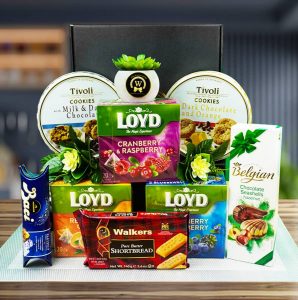
- The comfort layer: Fine biscuits or shortbreads, premium hot chocolate, and a jar of artisan preserve or honey. These items nourish without demanding effort and provide the small daily pleasures that help anchor a grieving person.
- The indulgence: A small, beautifully packaged box of dark chocolate truffles or a quality single-origin chocolate bar. Comforting, appropriate, and genuinely lovely.
- The sustenance: A premium selection of quality nuts or seeds – easily accessible, protein-rich, requiring nothing from the recipient.
- The sensory comfort: A quality candle and perhaps a gentle hand cream – not food, but natural companions to the food items in a comfort-focused hamper, adding warmth and sensory pleasure that food alone can’t provide.
- What’s absent: Alcohol. Perishables. Fresh produce. Anything requiring cooking or preparation. Anything festive in packaging or tone. Anything that places a burden on the recipient rather than relieving one.
Frequently Asked Questions
Is it ever appropriate to include wine in a condolence hamper?
In most situations, no. The celebratory associations of wine conflict with the context of grief; not everyone drinks, and alcohol introduces customs complications for cross-border European deliveries. The narrow exception is if you know the recipient extremely well, are certain they would appreciate it, and are sending to an EU address. Even then, it should never be the centerpiece of the hamper.
Can I include cheese in a sympathy hamper sent to Europe?
Fresh cheeses are not recommended – they perish in transit and create pressure for the recipient. Properly vacuum-packed aged hard cheeses with long shelf lives can work in some cases, but require careful sourcing. Most sympathy hampers are better served by investing that budget in other premium comfort items that travel without complication.
What food items are safest for sending across European customs borders?
Non-perishable packaged food items – teas, coffees, biscuits, chocolates, preserves, nuts, crackers, and dried goods – travel most reliably across European customs borders. Fresh, perishable, or agricultural products can face restrictions at non-EU borders. A European-based provider handles this compliance automatically.
What if I want to include something warm and nourishing, like soup?
Fresh soups and ready meals aren’t suitable for European gift hamper delivery due to perishability. However, premium quality dried soup mixes or artisan instant broths – packaged beautifully, shelf-stable, and genuinely good quality – can offer a similar feeling of warm nourishment without the logistical complications.
Does Walwater Gifts include alcohol in any sympathy hampers?
No. The Walwater Gifts sympathy and condolence collection at sendgiftsineurope.com/sympathy-and-condolence-gifts/ deliberately excludes alcohol from all bereavement hampers – both because it’s culturally inappropriate for the context and because it introduces customs complications that we want to spare our recipients from entirely.
The Bottom Line: Food Yes, Alcohol No - and Quality Always
A sympathy hamper built around thoughtfully chosen, high-quality non-perishable food items is one of the most meaningful, practical, and genuinely comforting gifts you can send to someone grieving in Europe. It nourishes. It supports daily rituals. It provides small moments of pleasure and sustenance in a period when both are hard to come by.
Alcohol, despite its usual place in the gifting repertoire, does not belong in a condolence hamper – for cultural, practical, and well-being reasons that are consistent across virtually all European contexts and recipient types. The food items that do belong are those that require nothing from the recipient, travel without complication, keep well without refrigeration, and communicate care through their quality rather than their volume.
That’s the standard every hamper in the Walwater Gifts sympathy collection is built to. And it’s the standard that, when you send a condolence hamper to someone you love who is grieving in Europe, it will make sure your gift does exactly what it’s meant to do.
Browse the full sympathy and condolence collection at sendgiftsineurope.com/sympathy-and-condolence-gifts/ – every hamper curated with care, appropriate to the moment, and ready to deliver comfort wherever in Europe it’s needed.
Walwater Gifts – Comfort delivered with care, across Europe, when it matters most.